


New Imaging Technique Could Improve Parkinson’s Disease Detection and Treatment
April 2, 2025
 LeahJS
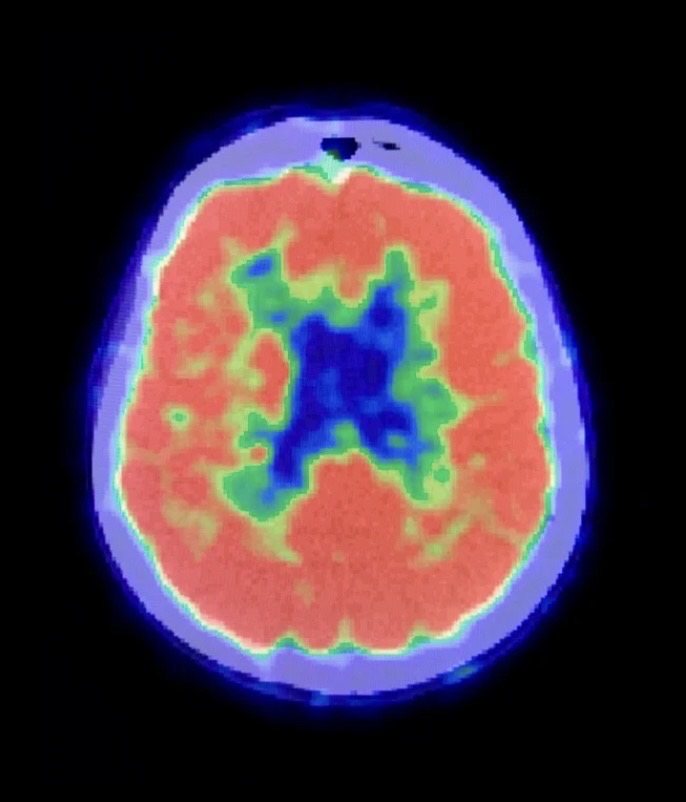
A recent study has introduced a new imaging method using positron emission tomography (PET) that can detect inflammation in the brain, which could be particularly important for Parkinson’s disease (PD) research and treatment.
Understanding the Technique
The new technique uses a marker that targets COX-2, an enzyme linked to inflammation in the brain. This allows researchers to observe even low levels of brain inflammation in healthy individuals, a critical step in understanding conditions like Parkinson’s disease.
Why It’s Important for Parkinson’s Disease
Parkinson’s disease is known to involve inflammation in the brain, which may contribute to the disease’s progression. Being able to accurately measure this inflammation in living patients is a breakthrough, as it could help doctors detect Parkinson’s earlier, track its progression, and evaluate the effectiveness of treatments aimed at reducing inflammation.
Potential for Better Parkinson’s Disease Treatment
Dr. Robert B. Innis, a leading researcher in the study, highlighted that this new imaging method could change how we treat Parkinson’s and similar conditions. With better tools to see inflammation, healthcare providers could offer more personalized treatments that directly target the underlying causes of Parkinson’s.
Looking Ahead
This technique could lead to earlier diagnosis and more effective treatments for those with Parkinson’s disease. It may also help scientists better understand the role of brain inflammation in the disease and open the door to new therapies aimed at slowing or even halting its progression.
Comments (0)
Loading comments...