
Parkinson's Insights

No Silver Bullet 4PD

"The Biological Clock: When Parkinson's Meets the Aging Brain" by Dr L Shih

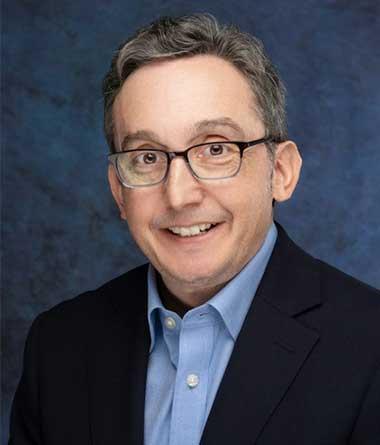
In this insightful session, we were joined by Dr Ludy Shih, Associate Professor of Neurology at Harvard Medical School and Clinical Director at Beth Israel Deaconess Medical Center. Dr Shih explored the complex relationship between the natural process of brain aging and the specific pathology of Parkinson’s disease. Key Takeaways The Aging Intersection: Dr Shih discussed how Parkinson's does not exist in a vacuum; it interacts with the "biological clock" of the brain. She highlighted that many of the cellular and molecular mechanisms we see in Parkinson’s—such as mitochondrial dysfunction and oxidative stress—are also fundamental components of the normal aging process. A System-Wide Approach: A major focus of the talk was that aging is not limited to the brain. Dr Shih explained how "non-neurologic" systems (such as the cardiovascular and metabolic systems) undergo their own aging processes, which can significantly impact the progression and symptom management of those living with Parkinson's. The Power of Longitudinal Data: Drawing from her extensive work with the Framingham Heart Study, Dr Shih shared how tracking health data across generations helps researchers distinguish between "normal" aging and the specific neurodegenerative changes associated with Parkinson’s. Resilience and Reserve: The session emphasized the importance of building "cognitive and motor reserve." By understanding how the brain ages, we can better implement lifestyle strategies—such as targeted exercise and social engagement—to enhance the brain's resilience against disease progression. Why This Matters for our Community Understanding the overlap between aging and Parkinson's helps us move away from a "one-size-fits-all" approach. It highlights that maintaining overall systemic health (heart health, metabolic health, and mental wellness) is just as vital as managing dopamine levels. By slowing the "biological clock" through proactive lifestyle choices, we can positively influence the trajectory of the condition.

"Inflammation, Oxidative Stress, and Parkinson’s" by Jelena Etemovic, a Registered Dietitian Nutritionist

This webinar, titled "Inflammation, Oxidative Stress, and Parkinson’s," is the fourth instalment of the "Food as Medicine" series. It features Jelena Etemovic, a Registered Dietitian Nutritionist, who explores how targeted nutritional strategies can act as neuroprotective tools to support brain health and manage symptoms. The Core Science: Oxidative Stress and Inflammation Parkinson’s disease is characterised by the progressive loss of dopamine-producing cells. Research suggests that oxidative stress and chronic inflammation are key contributors to this cellular damage over time. Oxidative Stress: This is an imbalance between "free radicals" (unstable molecules that damage cells) and "antioxidants" (molecules that neutralise them). Chronic Inflammation: While inflammation is a natural healing response, when it becomes chronic, it places added stress on the nervous system and brain cells. Key Nutritional Strategies 1. Antioxidant-Rich Foods Antioxidants are natural compounds that protect cells from oxidative damage. They are primarily found in vibrant, colourful plant-based foods. Sources: Berries, dark leafy greens, beans, nuts, seeds, herbs, and spices. The "Variety" Rule: Different colours represent different antioxidant compounds (e.g., Vitamin C in citrus, flavonoids in blueberries, resveratrol in grapes). The "Regularity" Rule: Daily habits add up; cellular protection is a long-term benefit of consistent intake. 2. Omega-3 Fatty Acids These are "essential" fats, meaning the body cannot produce them and must get them from food. They are directly involved in regulating the body’s inflammatory response and supporting brain cell communication. DHA & EPA (Found in fatty fish): Crucial for brain health and cognitive function. ALA (Found in plants): Found in flax seeds, chia seeds, and walnuts. Recommendation: Aim to include omega-3 rich foods 2–3 times per week. Practical "Hacks" for Daily Life Jelena recommends a three-step approach to immediately improving your nutritional profile: Grocery List Update: Add three antioxidant-rich and three omega-3-rich foods to your shop this week. Colourful Plates: Fill half your plate with colourful fruits and vegetables daily. The "Add, Don't Cut" Mindset: Instead of focusing on what to restrict, focus on what nutrient-dense foods you can add to your current meals (e.g., adding chia seeds to oatmeal or spinach to a smoothie). Jelena has produced the following free guide: https://jelena-etemovic-dietitian.kit.com/1b8038925f Parkinson’s Brain Health Nutrition Guide: Practical nutrition strategies to support brain health and help you take simple action this week. Inside this free guide you’ll learn: How nutrition can help support brain health in PD How to get started with building a plan An antioxidant foods list Tips for increasing antioxidant intakes An Omega-3 foods list Tips for increasing omega-3 intakes How to get additional nutrition guidance

Protein, Levodopa & Metabolic Management

Protein, Levodopa & Metabolic Management

Food As Medicine for Parkinson’s Series Part 5: Protein, Levodopa & Metabolic Management As we move into the fifth part of our "Food is Medicine" series, we shift our focus to one of the most critical daily challenges for people with Parkinson’s Disease: the relationship between dietary protein and medication effectiveness. This session is designed to be the perfect next step for those who have mastered the basics and are ready for an advanced, highly specific look at metabolic management. Protein is essential not only for anabolic health but for the production of dopamine itself. But for those taking Levodopa, it can be a double-edged sword. Because specific amino acids in protein use the same transport carrier as your L-dopa medication, the timing of taking specific protein food in relation to L-dopa, needs to be precise. This webinar provides a specific and practical roadmap for timing protein intake relative to the time of taking L-dopa. The results will demonstrate how specialised individualised monitoring of drug response can manage the dreaded “off” periods and enable best efficacy of L-dopa. The presentation will also highlight the different metabolic processes that need to be supported in Parkinson’s Disease as well as Multidisciplinary Management. About the Speaker: Lucille Leader (www.lucilleleader.com) Lucille Leader is a renowned figure in the field of Nutritional Therapy specifically tailored for Parkinson’s Disease. Based in London, she has spent decades bridging the gap between clinical neurology and nutritional science. She is a Nutrition Director of the Parkinson’s Disease Integrated Nutrition Clinic and has authored and co-authored several definitive texts in peer reviewed Journals, including Movement Disorders and six Books on Parkinson’s Disease, including leading Neurologists and Parkinson’s Disease Health Care Specialists. Her work has earned her the “Quality of Life in Parkinson’s Disease Award” from the United States of America, the “Outstanding Practice Award” and the “Highly Commended Outstanding Practice Award” in the UK. She has been a Member of the Forum for Food and Health of the Royal Society of Medicine in London UK and Lecturer on Academic MSc Degree Courses in Parkinson’s Disease, Multiple Sclerosis and Medical Collaboration for Nutritional Therapists. She has lectured at International Parkinson’s Disease Congresses. Lucille is celebrated for her "bench-to-bedside" approach, taking complex metabolic processes and turning them into manageable, daily protocols. Her work focuses on the biochemical support of pathways that support dopamine production and other biochemical needs which contribute to functional health in Parkinson’s Disease. Her mission, with that of her Clinic Medical Director Dr Geoffrey Leader, is to enable people with Parkinson’s and their Supporters / Carers to become empowered with as much knowledge as possible of Parkinson’s Drugs, Nutrients, Drug - Nutrient Interactions, Support of Essential Biochemical Needs, Intestinal Function and Management of Cellular Energy, amongst other aspects. Active empowerment produces a feeling of well-being for both people with Parkinson’s and their Supporters, She is also aware that Parkinson’s has multi-factorial implications and therefore recommends a multidisciplinary team approach, working always in collaboration with patients’ GPs and specialists for referrals to the appropriate healthcare professionals. Lucille is celebrated for her "bench-to-bedside" approach, taking complex metabolic processes and turning them into manageable, daily protocols. Clinical Nutrition is Applied Biochemistry and her work therefore focuses on metabolic support that serves optimum cellular function within the confines of Parkinson’s Disease.

Advanced Nutraceuticals for Brain Health and Mitochondrial Support

Advanced Nutraceuticals for Brain Health and Mitochondrial Support

Food as Medicine for Parkinson's Part 6: Advanced Nutraceuticals for Brain Health and Mitochondrial Support The sixth instalment of the Food as Medicine series moves beyond the kitchen to the cutting-edge of clinical supplementation. This session provides an objective look at how specific compounds can support mitochondrial function and protect the brain at a cellular level. We move past the marketing hype to examine what the latest research actually says about the supplements currently making waves in the community. Mitochondria are the powerhouses of our cells, and supporting their efficiency is a primary focus for neuroprotection. We will explore the role of NAD+ precursors and the emerging interest in low-dose lithium as potential tools for maintaining cellular energy. The discussion continues with N-Acetylcysteine, a powerful antioxidant that shows promise in supporting brain connectivity, alongside popular natural options like Lion’s Mane for maintaining cognitive clarity. The session also addresses the broader landscape of supplements, from the role of Green Tea in managing protein health to an evidence-based review of CBD for those seeking better sleep and lower anxiety. By merging rigorous scientific data with real-world clinical observations, we aim to provide a clear roadmap through the complex world of nutraceuticals, helping you identify which options offer the most genuine potential for long-term health. About the speaker: We are honoured to be joined by Dr Tanya Denne, a distinguished Naturopathic Doctor and researcher. Dr Denne is a leading advocate for "Personalised Medicine," a philosophy that treats the whole person rather than just a set of symptoms. Her evidence-based approach views nutrition as a foundational pillar of care, bridging the gap between traditional neurology and complementary disciplines. With her extensive research background, including her work on Mucuna pruriens, Dr Denne empowers people to move from being passive recipients of care to proactive partners in their own health journey.

Michel Planquart

Michel Planquart

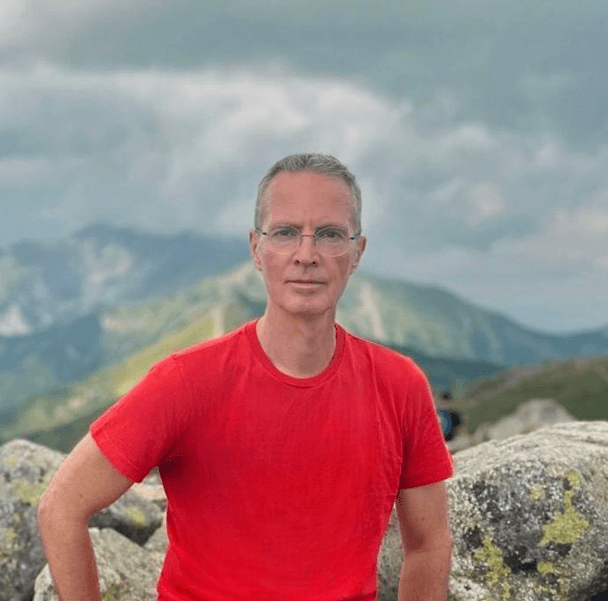
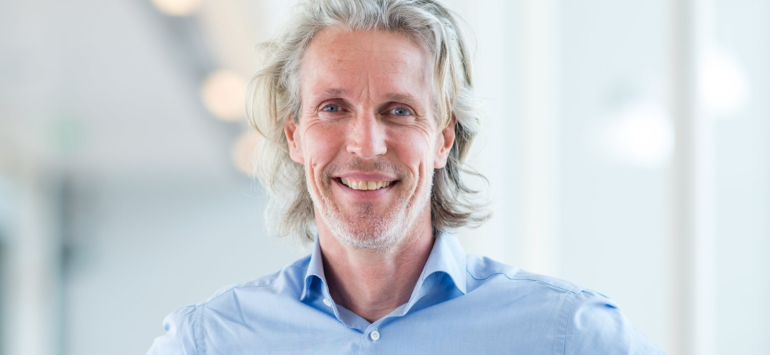
Diagnosed in 2020, Michel manages his condition with the dedicated rigour of an athlete. Through his holistic routine and practical tools, he empowers others to actively influence their own progression.

Newsletter

Subscribe to receive regular emails with the latest news, webinars, Bas Bloem podcasts, and Michael Okun posts.

Frequency
Prof. Bas Bloem

Prof. Bas Bloem

Radboud University

A world-leading neurologist and pioneer of patient-centred care, specialising in lifestyle and exercise interventions for Parkinson's.

EP 29 - The Parkinson Weekly Helpdesk

EP 29 - The Parkinson Weekly Helpdesk

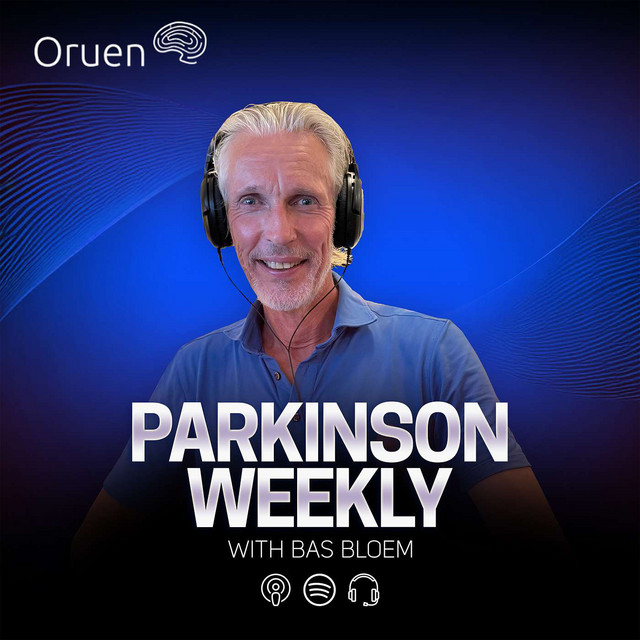
🎙️ We’re back with the twenty-ninth episode of Parkinson Weekly, hosted by Prof. Bas Bloem — and the second instalment of the Parkinson Weekly Helpdesk.In this episode, Prof. Bloem answers three new listener questions covering some of the most talked-about topics in Parkinson’s care.He explores the role of diet and the gut, offering practical advice on nutrition, constipation, and how these may impact medication effectiveness. The episode also dives into Mucuna pruriens — what it is, how it compares to standard levodopa therapy, and when it may (or may not) be appropriate.Finally, Prof. Bloem discusses cognitive training, addressing whether brain exercises can help manage symptoms or slow cognitive decline.As always, the Helpdesk combines evidence with real-world clinical insight — helping to cut through conflicting advice and focus on what truly matters for patients.Have a question you’d like Bas to answer in a future episode? Email us at parkinsonweekly@gmail.com – we’d love to hear from you.

PodcastVideo
EP 28 - The Parkinson Weekly Helpdesk

EP 28 - The Parkinson Weekly Helpdesk

🎙️ We’re back with the twenty-eighth episode of Parkinson Weekly, hosted by Bas Bloem.In Episode 28, we introduce a brand-new segment — the Parkinson Weekly Helpdesk — where Prof. Bloem answers listener-submitted questions from across the global Parkinson’s community. Following an overwhelming response, this new format tackles three key questions per episode, offering practical, evidence-based insights while ensuring advice remains general and applicable to all.This first Helpdesk episode explores:The growing interest in methylene blue and whether there is any real clinical evidence behind its use in Parkinson’s diseaseHow to regain confidence after a fall, including the role of balance confidence training and physiotherapyThe broader topic of supplements in Parkinson’s, examining what the evidence actually shows — and where caution is neededProf. Bloem brings his characteristic clarity and scientific rigour to each topic, highlighting the importance of distinguishing promising theory from proven, evidence-based treatments, while also addressing the real concerns and experiences of people living with Parkinson’s.A thoughtful and highly practical episode that marks the start of an important new initiative — designed to answer your questions, at scale.Have a question you’d like Bas to answer in a future episode? Email us at parkinsonweekly@gmail.com – we’d love to hear from you.

PodcastVideo
Prof. Michael Okun

Prof. Michael Okun

University of Florida

A renowned neuroscientist and medical director of the Parkinson's Foundation, widely regarded as a global authority on advanced Parkinson's therapies.

Parkinson’s precision medicine is no longer theoretical. PPMI is helping reshape the future of how we define and study Parkinson’s disease. Precision medicine means using biologic, genetic and clinical information to better understand why disease differs from one person to another and to match therapies more precisely. Marek and colleagues describe in an editorial in Annals of Neurology how the Parkinson’s Progression Markers Initiative (PPMI) has evolved over 15 years from a biomarker discovery effort into a global precision medicine platform for PD and related synucleinopathies.
Key points:
- PPMI has collected comprehensive clinical, imaging, biomarker and genetic data from thousands of participants worldwide and shared these data openly w/ the scientific community.
- The initiative helped shift the field from defining Parkinson’s disease only by symptoms to defining disease biology using biomarkers such as alpha-synuclein seed amplification assays and dopamine imaging.
- New remote tools such as myPPMI are expanding global participation and enabling large scale biologic and clinical data collection for future precision therapeutic trials.
My take: This paper captures one of the most important transformations in Parkinson’s research. We are moving away from lumping all Parkinson’s disease together and toward understanding the biology driving each individual case. This transition matters because biology based classification may facilitate matching the right therapies to the right folks at the right time. PPMI has also shown the power of open science and collaboration across academia, foundations, industry and study participants.
Here are 5 points that resonated w/ me:
1- PD likely begins many years before classic motor symptoms emerge.
2- Biomarkers are helping identify disease earlier and may eventually support prevention focused trials.
3- Precision medicine may reduce the one size fits all approach that has limited previous clinical trials.
4- Remote platforms such as myPPMI may democratize research participation and expand diversity across future studies.
5- Open data sharing has accelerated discovery worldwide.
#michaelokun #fixelinstitute #parkinson

Parkinson’s precision medicine is no longer theoretical. PPMI is helping reshape the future of how we define and study Parkinson’s disease. Precision medicine means using biologic, genetic and clinical information to better understand why disease differs from one person to another and to match therapies more precisely. Marek and colleagues describe in an editorial in Annals of Neurology how the Parkinson’s Progression Markers Initiative (PPMI) has evolved over 15 years from a biomarker discovery effort into a global precision medicine platform for PD and related synucleinopathies. Key points: - PPMI has collected comprehensive clinical, imaging, biomarker and genetic data from thousands of participants worldwide and shared these data openly w/ the scientific community. - The initiative helped shift the field from defining Parkinson’s disease only by symptoms to defining disease biology using biomarkers such as alpha-synuclein seed amplification assays and dopamine imaging. - New remote tools such as myPPMI are expanding global participation and enabling large scale biologic and clinical data collection for future precision therapeutic trials. My take: This paper captures one of the most important transformations in Parkinson’s research. We are moving away from lumping all Parkinson’s disease together and toward understanding the biology driving each individual case. This transition matters because biology based classification may facilitate matching the right therapies to the right folks at the right time. PPMI has also shown the power of open science and collaboration across academia, foundations, industry and study participants. Here are 5 points that resonated w/ me: 1- PD likely begins many years before classic motor symptoms emerge. 2- Biomarkers are helping identify disease earlier and may eventually support prevention focused trials. 3- Precision medicine may reduce the one size fits all approach that has limited previous clinical trials. 4- Remote platforms such as myPPMI may democratize research participation and expand diversity across future studies. 5- Open data sharing has accelerated discovery worldwide. #michaelokun #fixelinstitute #parkinson

PostOpen details
Join the revolution in interdisciplinary neurological care at the Norman Fixel Institute for Neurological Diseases at the University of Florida. We believe the person living w/ disease is the sun, and every member of the care team orbits around helping them live their best possible life. If you are a social worker who believes care should be coordinated, compassionate and deeply human, this is your opportunity to help redefine what Parkinson’s disease, dystonia, Alzheimer's, ALS and movement disorders care can look like. Work side-by-side w/ neurologists, therapists, neuropsychologists, nurses, researchers and families in one truly integrated environment. If you believe the person w/ disease is the sun, then apply for this job:
https://explore.jobs.ufl.edu/en-us/job/539492/clinical-case-manager-i-neurology-movement-disorders-division #michaelokun #fixelinstitute #parkinson

Join the revolution in interdisciplinary neurological care at the Norman Fixel Institute for Neurological Diseases at the University of Florida. We believe the person living w/ disease is the sun, and every member of the care team orbits around helping them live their best possible life. If you are a social worker who believes care should be coordinated, compassionate and deeply human, this is your opportunity to help redefine what Parkinson’s disease, dystonia, Alzheimer's, ALS and movement disorders care can look like. Work side-by-side w/ neurologists, therapists, neuropsychologists, nurses, researchers and families in one truly integrated environment. If you believe the person w/ disease is the sun, then apply for this job: https://explore.jobs.ufl.edu/en-us/job/539492/clinical-case-manager-i-neurology-movement-disorders-division #michaelokun #fixelinstitute #parkinson

PostOpen details

Recommended Activities