


How to Start Exercising With Parkinson’s
May 8, 2026
Hello everyone,
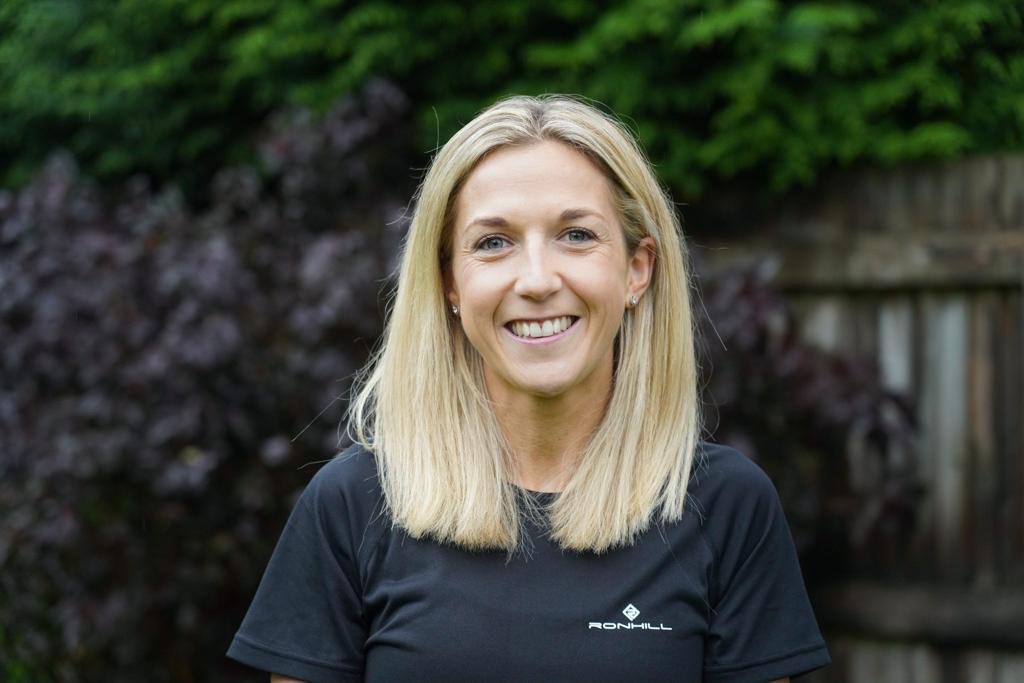
I’m delighted to be part of the PD Buddy community. I wanted to introduce myself and share how regular exercise can play an important role in helping people live well with Parkinson’s.
My Personal Connection to Parkinson’s
I’m the founder of The Parkinson’s Exercise Programme, and I’m also a strength and conditioning coach, England Athletics running coach, and former GB age-group triathlete.
In 2018, my father-in-law was diagnosed with Parkinson’s. Like many families, we suddenly found ourselves trying to make sense of a diagnosis we knew very little about. It can feel overwhelming at first, and it’s often difficult to know where to begin.
I wanted to support him in a meaningful way, so I began exploring whether exercise could help alongside his medication. The more I learned, the clearer it became that exercise isn’t simply an optional extra — it’s a key part of living well with Parkinson’s.
How Exercise Became Part of Our Routine
So we began training together several times a week, focusing on movements to help manage his symptoms alongside exercises to improve his posture, balance, and agility.
Shortly after his diagnosis, I completed specialist training in exercise for long-term neurological conditions to make sure I could support him as safely and effectively as possible. Eight years on, we still train together every week — he’s now 79 years old and moves across the agility ladder like an athlete!
Along the way, I also began working with other people living with Parkinson’s, and I’ve seen firsthand how regular exercise can make a real difference — not only physically, but also in how people feel about themselves.
I’ve also learned that most people know they should be exercising, but often don’t know where to start. Others simply don’t have access to Parkinson’s-specific support nearby.
That’s one of the reasons we created The Parkinson’s Coach — a collection of simple, guided exercise videos designed to help people with Parkinson’s feel more confident and supported when exercising at home.
Simple Tips for Getting Started With Exercise
If you or a loved one is living with Parkinson’s, here are a few things I always share with those who are getting started with exercise:
Start Small and Build Gradually
Getting active is one of the most important things you can do after a Parkinson’s diagnosis. Regular exercise can help you manage your symptoms, move more easily, and feel better day to day.
Start where you are now — you don’t need to do everything at once.
Focus on Consistency
Little and often can be incredibly powerful. Short bursts of movement done regularly are often more helpful than doing too much and struggling to keep it going. Aim to include some form of movement each day.
Exercise When You Feel at Your Best
Try to exercise at a time of day when you feel at your best. Many people find they move more confidently during their ‘on’ periods, when symptoms are better controlled and movement is easier.
Listen to Your Body
Move at your own pace and choose exercises that feel safe and manageable for you. Parkinson’s symptoms can vary from day to day, so listen to your body and adjust your exercise routine to how you feel. Some days you may enjoy a higher-intensity session, while on other days gentle stretching may be more beneficial.
Exercise Safely
Everyone’s experience with Parkinson’s is different, so it’s important to find an exercise routine that feels safe and manageable for you. Before starting a new exercise programme, speak with your healthcare team — especially if you experience falls, dizziness, or other medical concerns.
Small Steps Can Make a Big Difference
Parkinson’s can feel overwhelming at times, especially in the early stages when there’s so much information to take in and it’s difficult to know where to begin.
But one of the most encouraging things I’ve seen is how regular movement and consistent exercise can help people feel stronger, steadier, and more confident over time.
Progress rarely happens overnight — it’s often the simple daily habits and small amounts of exercise throughout the day, that make the biggest difference.
If you’re just beginning, remember that you don’t have to do everything perfectly. Start where you are, move in a way that feels right for you, and be kind to yourself along the way.
If you’d like extra support, we’re always happy to help.
Comments (0)
Loading comments...