


The PRO-21 diet: a data-driven nutritional strategy to slow Parkinson’s disease progression
May 7, 2026
New research suggests that a specifically designed nutritional approach, known as the PRO-21 diet, may offer significantly better outcomes for people with Parkinson's than the traditional Mediterranean or MIND diets. While those established dietary patterns have long been praised for brain health, this latest study involving over 2,000 people indicates that a more tailored list of twenty-one specific food components is more closely linked to a slower progression of symptoms.
The study utilised the Patient-Reported Outcomes in Parkinson’s (PRO-PD) scale to track how different foods impacted daily life. Researchers found that while the Mediterranean and MIND diets are helpful, their positive effects are often driven by just a few key variables. In contrast, the PRO-21 diet was developed by identifying the specific foods most strongly associated with the fewest symptoms over time. Interestingly, the data revealed that diet has an even more profound impact on non-motor symptoms—such as mood, sleep, and digestion—than it does on motor symptoms like tremors or stiffness.
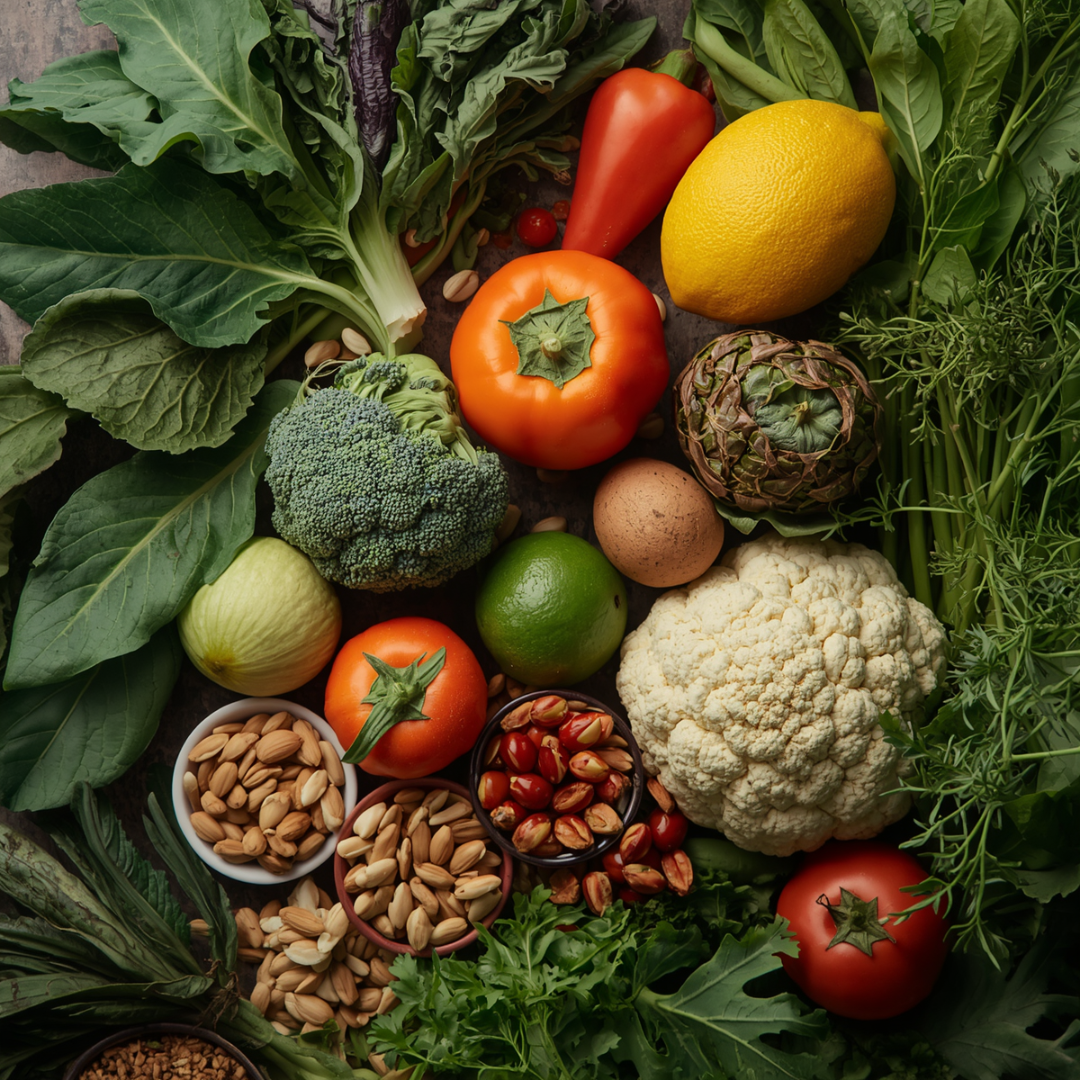
The PRO-21 diet focuses on a high intake of fresh vegetables, particularly leafy greens and cruciferous varieties like broccoli and cauliflower, alongside fresh fruit, nuts, seeds, and olive oil. It also emphasises the inclusion of herbs, spices, and non-fried fish. However, what sets this approach apart is the rigorous list of exclusions. The research suggests that to see the most significant benefits, one should strictly limit or avoid canned fruits and vegetables, sodas, fried foods, beef, and dairy products like cheese and ice cream.
Those who followed the PRO-21 guidelines most closely at the start of the study experienced a forty-three percent reduction in the rate of symptom progression compared to those with lower adherence. This suggests that the cumulative effect of these specific twenty-one food groups creates a much more powerful therapeutic impact than general healthy eating. The model used for PRO-21 showed superior explanatory power, meaning it was much more accurate at predicting patient outcomes than the older dietary models.
Despite these promising results, the researchers noted that the PRO-21 diet is demanding. The cost of fresh produce and the discipline required to avoid common processed foods can be significant barriers. While the Mediterranean and MIND diets are easier for many to maintain, the PRO-21 represents a new gold standard for those looking to use nutrition as a primary tool for managing Parkinson's. Future trials will likely focus on how to make this intensive way of eating more sustainable and accessible for everyone in the community.
Comments (0)
Loading comments...