


Research Insights on a New Parkinson’s Disease Therapy
August 21, 2025
 LeahJS
Recent studies highlight that Parkinson’s Disease (PD) involves the loss of dopamine-producing neurons along with mitochondrial dysfunction, protein buildup (alpha-synuclein), brain inflammation, and gut-brain disruptions. While current medications relieve symptoms, research shows they cannot stop disease progression, partly because many drugs struggle to reach the brain and can cause side effects.
Phytochemicals as a Complementary Approach
Research indicates that plant-based compounds (phytochemicals) have antioxidant and neuroprotective benefits. However, studies also show their effectiveness is limited due to rapid metabolism and poor absorption in the body.
Nanoparticles to Improve Drug Delivery
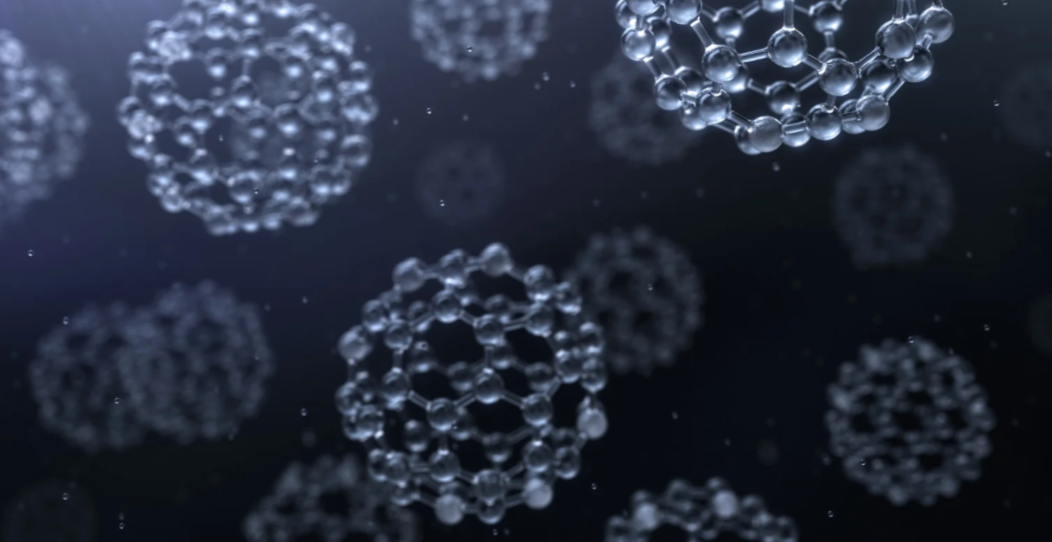
Scientific studies suggest that nanoparticles can enhance drug stability, improve absorption, and help compounds cross the blood-brain barrier, making treatments more effective.
PLGA Nanoparticles: A Promising Solution
Research has focused on PLGA (poly lactic-co-glycolic acid) nanoparticles as advanced drug carriers because they are safe, biodegradable, and versatile. Studies show they can deliver conventional Parkinson’s drugs—like dopamine agonists, dopamine precursors, and enzyme inhibitors—more effectively, overcoming limitations of standard therapies.
Boosting Phytochemical Therapies
Studies also report that PLGA nanoparticles can improve delivery of neuroprotective phytochemicals such as polyphenols, flavonoids, and coumarins, enhancing their stability, solubility, and activity, which may support brain health and help manage PD symptoms.
Importance and Implications
These findings suggest a potential shift in Parkinson’s treatment toward strategies that go beyond symptom management to target disease mechanisms directly. By improving drug delivery and enhancing the effectiveness of both conventional medications and natural compounds, PLGA-based nanosystems could slow disease progression, improve patient outcomes, and reduce side effects, offering a more comprehensive approach to managing PD.
Comments (0)
Loading comments...