


Scientists find that changes in brain fats reveal why Parkinson’s is unique for every individual
May 12, 2026
Scientists have discovered that Parkinson’s is not just about proteins; it is also about how the "fats" in our brain change over time.
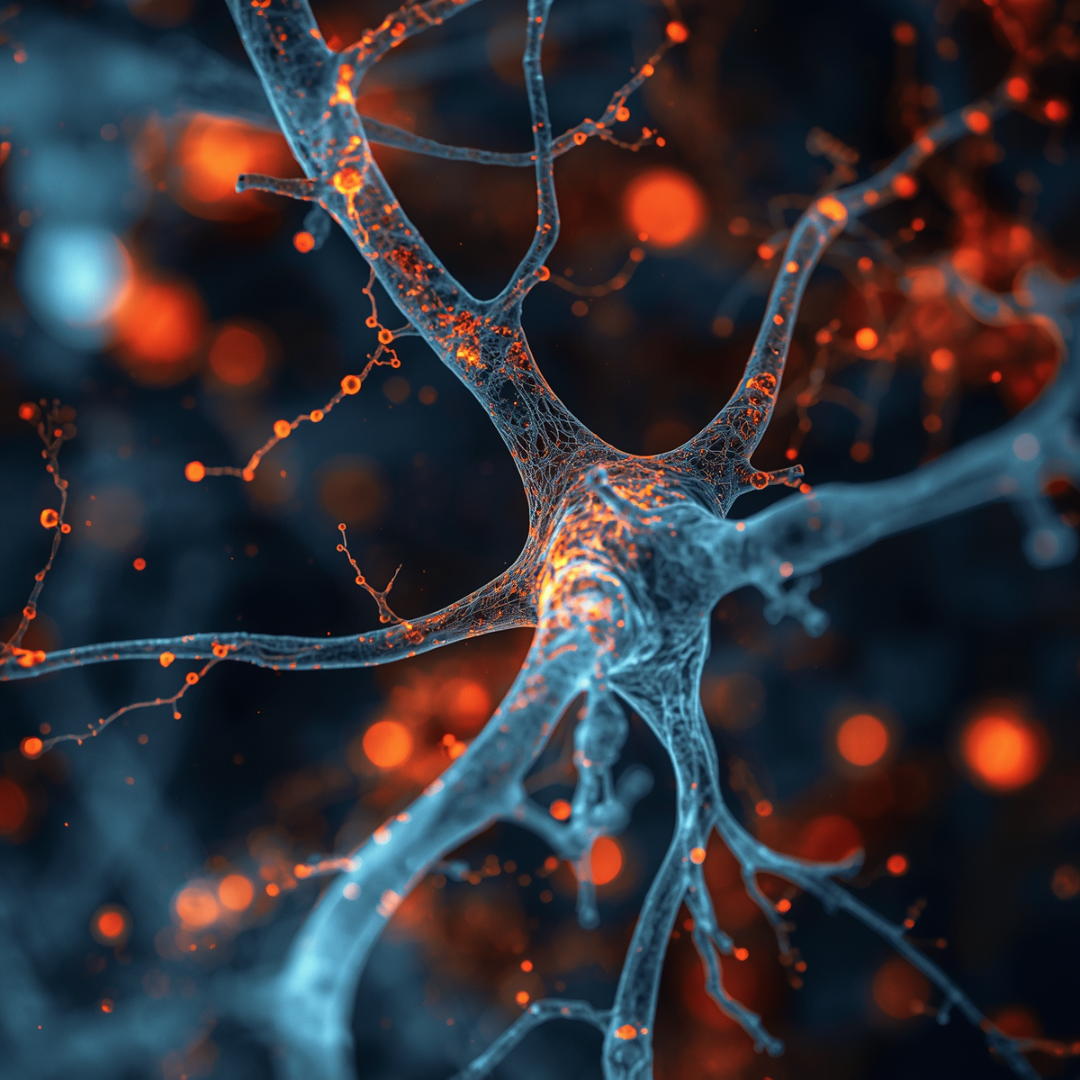
Think of the cells in your brain like tiny houses. The walls of these houses are made of lipids, which are essential fats that keep everything stable and working correctly. New research has found that in the amygdala—the part of the brain that handles our emotions—these "fatty walls" start to change their shape and structure.
For some, the fats become longer, while for others, they get shorter. This matters because when the shape of these fats changes, it affects how brain cells communicate and how well they can clear out waste. The study found that people who have lived with Parkinson's for a long time, or those with a specific genetic link called GBA, often see a similar shift where certain fats like cholesterol increase.
Why should this matter to you right now? It proves that Parkinson’s is not a "one size fits all" condition. Your brain has its own unique chemical signature. This is actually excellent news for the future of medicine. It means that instead of giving everyone the same generic treatment, scientists are learning how to tailor help based on your specific biology.
Understanding these fatty changes helps researchers move away from guesswork. It opens the door to new ways of protecting brain cells by keeping those "fatty walls" strong and healthy. While the science is deep, the message is simple: we are getting much better at understanding the individual blueprints of Parkinson's, which paves the way for smarter, more personal ways to manage the condition.
Comments (0)
Loading comments...