


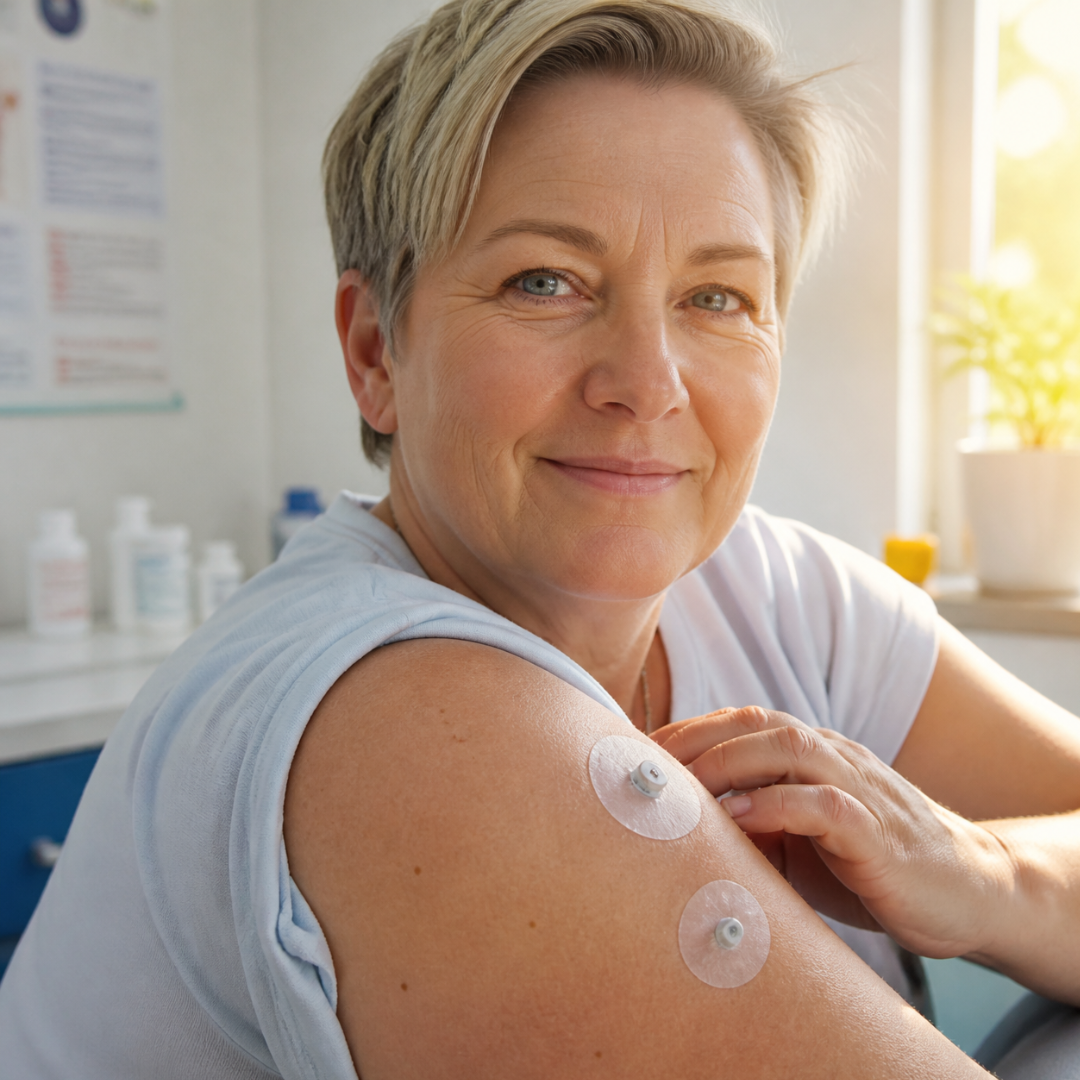
How skin patches and tiny microneedles are changing the way people manage Parkinson's medication
November 14, 2026
 Beatrice
Swallowing pills on a strict clockwork schedule is one of the less glamorous parts of daily life when you are living with Parkinson's. Anyone who relies on oral medication knows the familiar frustration of waiting for a dose to kick in, wondering if lunch interfered with absorption, or bracing for the inevitable dip before the next tablet is due. The digestive system and liver process these drugs in waves, creating peaks and valleys in the bloodstream that can make smooth movement feel like a moving target. Science is now looking beyond the pill bottle toward a much smoother horizon, turning attention to how medicine can travel quietly and steadily through the skin.
Transdermal delivery systems offer a clever way around the digestive hurdles by allowing medications to enter the bloodstream directly through the skin. When a treatment bypasses the stomach and liver, it avoids the rapid breakdown that turns a single dose into a rollercoaster of highs and lows. Instead, the medication enters the circulation at a steady and controlled rate, maintaining an even level in the body over many hours. This constant drip helps keep symptoms well controlled without the abrupt drops that lead to wearing off periods or unwanted involuntary movements.
Researchers have spent years refining this skin approach across several generations of technology. The first generation brought us simple adhesive patches, such as those delivering rotigotine, which have become a familiar and reliable option for many people seeking continuous dopaminergic stimulation. Newer generations are pushing the boundaries much further. Second generation methods use mild electrical currents known as iontophoresis or specialised chemical enhancers to coax medications through the skin barrier more efficiently. Third generation innovations introduce microscopic needles arranged on tiny patches that gently part the outer layer of the skin without causing pain, delivering substances that would normally struggle to get through. Fourth generation approaches wrap medicines in microscopic nanocarriers, tiny transport vehicles that slip through skin layers with remarkable ease.
Recent scientific reviews highlight how far these technologies have come across a wide range of common treatments. Studies testing everything from levodopa and carbidopa combinations to selegiline and pramipexole show that skin delivery can maintain stable therapeutic levels in animal models and human trials. For instance, advanced self assembling nanomicelles and dissolving microneedle patches have demonstrated the ability to deliver steady doses over extended periods, sometimes lasting up to several days from a single application. Clinical trials evaluating rotigotine patches confirm that once daily application provides smooth symptom management while reducing daily off time and improving sleep quality.
Of course, moving medicine from a laboratory bench to a comfortable daily patch is not without its hurdles. Skin irritation from extended wear remains a practical challenge, and incorporating the large daily doses required by some medications into a small patch is no small engineering feat. Yet the future looks genuinely exciting. Researchers are already designing smart wearable patches equipped with tiny sensors and artificial intelligence to monitor skin absorption in real time and adjust delivery as needed. For anyone looking for a simpler and more predictable way to handle daily medication, the future of skin delivery promises a much smoother journey ahead.
Comments (0)
Loading comments...