


China Advances in Parkinson’s Cell Therapy: iRegene Raises $40 Million for NouvNeu001
September 11, 2025
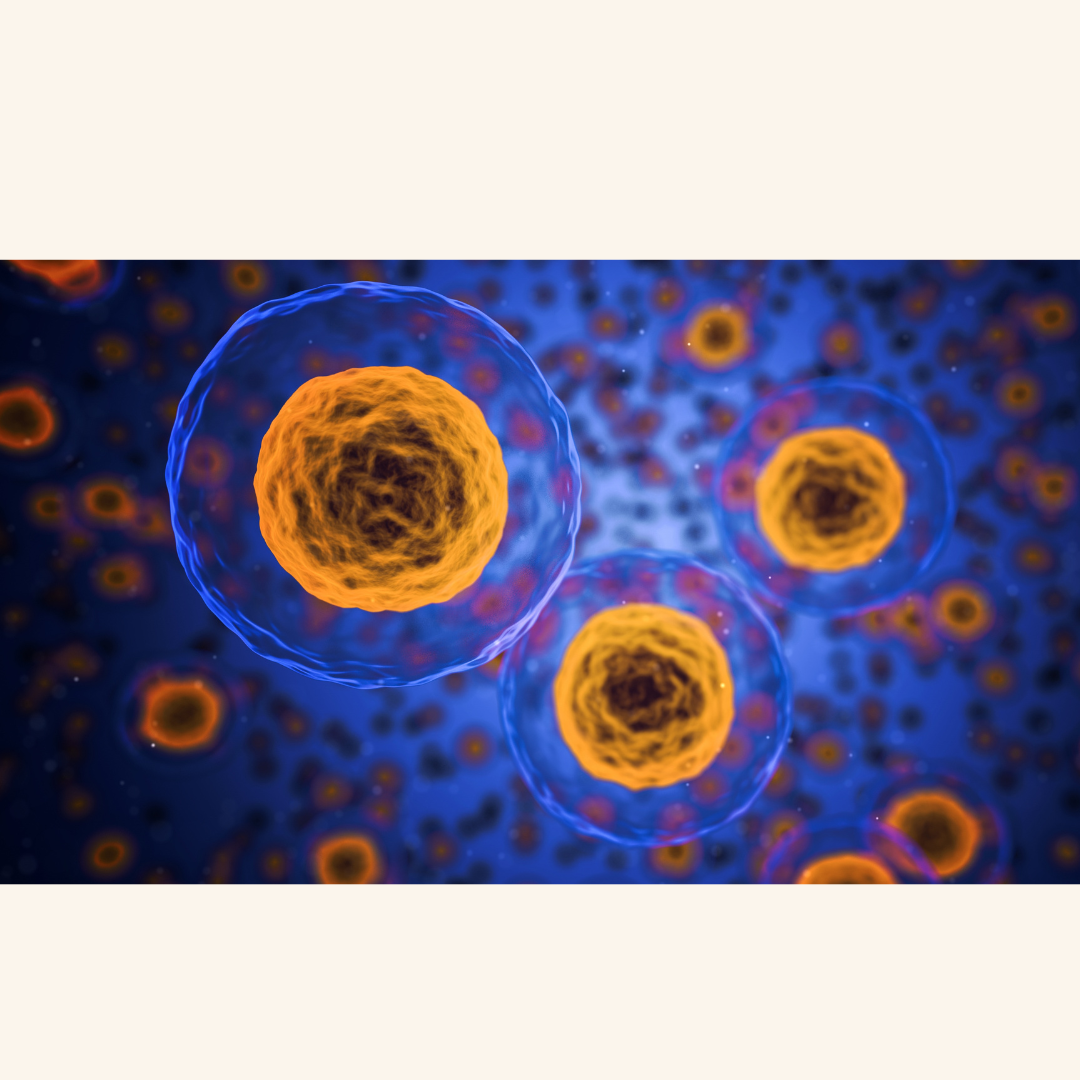
China has officially joined the global race to deliver stem cell therapies for Parkinson’s disease. The Chengdu-based company iRegene Therapeutics has just secured about 40 million US dollars in new funding to accelerate development of its lead therapy, NouvNeu001. The treatment is built from induced pluripotent stem cells, or iPSCs, which are lab-grown cells that can be turned into many different types of human tissue. In this case, they are developed into the kind of neurons that are lost in Parkinson’s, with the hope of replacing damaged cells and restoring some function.
This investment round, one of the largest in China’s stem cell sector in recent years, signals growing confidence in both the science and the company’s strategy. The new capital will allow iRegene to expand clinical trials, strengthen its research teams, and build the infrastructure needed to manufacture these therapies at scale.
NouvNeu001 already has some strong credentials. In August 2025 it was granted Fast Track Designation by the US Food and Drug Administration, a status reserved for therapies that address serious conditions and could meet needs not covered by existing treatments. This recognition speeds up the regulatory process and gives the company closer contact with the FDA as development continues.
The therapy is currently in Phase II trials in China, and earlier Phase I studies suggested that it is safe. In those trials, people tolerated the transplanted cells for up to 15 months, and many no longer needed immune-suppressing drugs after six months. Imaging scans indicated that the new cells survived in the brain, and there were early signs of improvement in movement and longer periods of symptom relief.
All of this is encouraging, but it is still early days. Stem cell therapies are complex, and many questions remain unanswered. We do not yet know how long the benefits will last, whether the results will be consistent across larger groups of people, or what unforeseen challenges might arise. That said, the combination of fresh investment, promising early data, and regulatory support points to real momentum in the field.
For people with Parkinson’s, it is another signal that cell therapy is edging closer to becoming more than just an idea in the lab. It is not a cure, and it is not yet a treatment available at the local clinic, but it is a serious step forward. The work being done in China adds to global efforts in Europe and the US, showing that progress is happening on multiple fronts. Hope is justified, so long as it is tempered with patience.
Comments (0)
Loading comments...