


Researchers find new protein signatures in the blood to help identify parkinson's
April 27, 2026
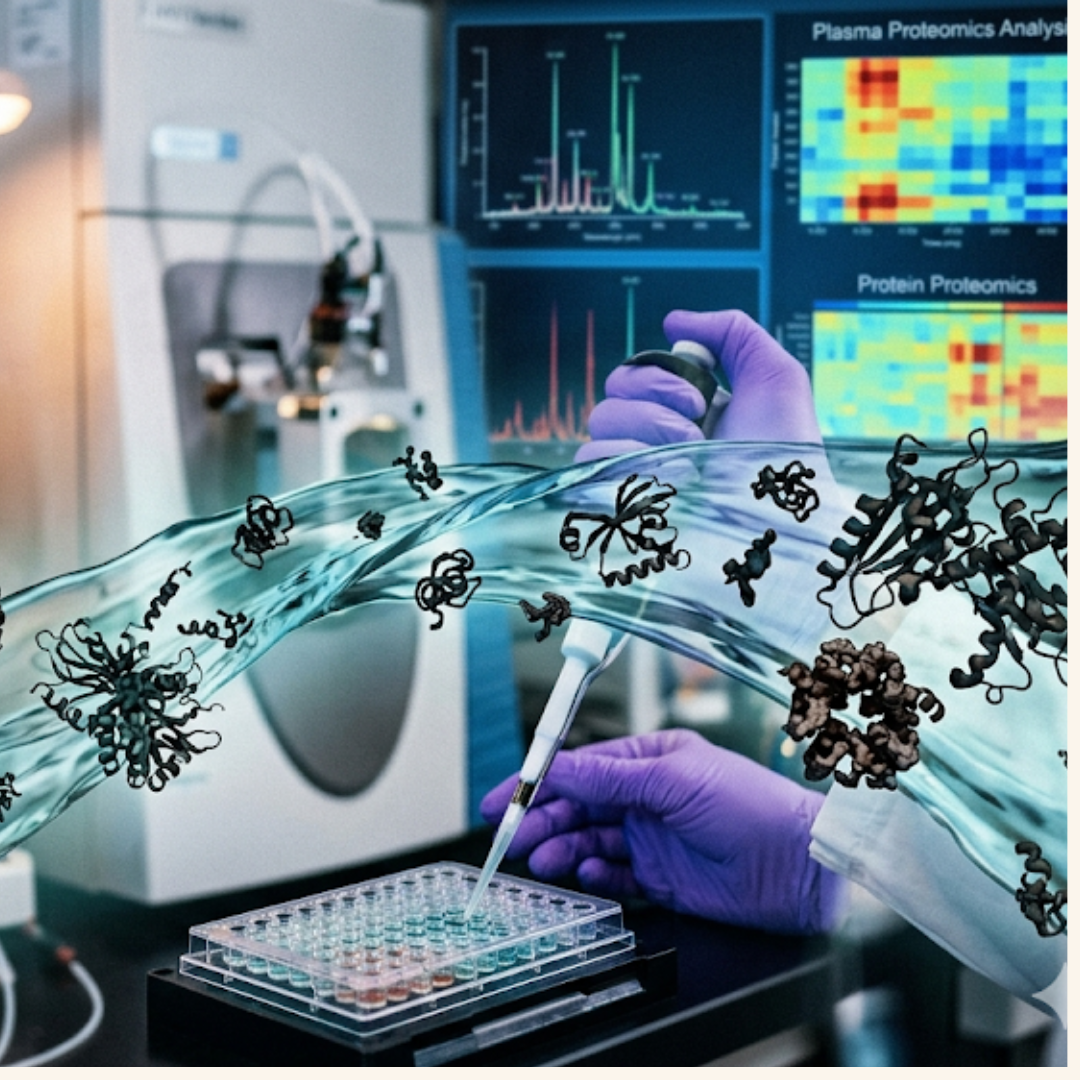
A major challenge in healthcare is finding simple, reliable ways to confirm a diagnosis or track how a condition is progressing. For a long time, this has required complex brain scans or invasive tests. However, a new study published in Nature has made significant strides in using blood tests to do the heavy lifting. By looking at "plasma proteomics"—the study of the thousands of different proteins circulating in our blood—researchers have found specific patterns that act like a biological fingerprint for Parkinson's.
The study was particularly robust because it didn't just look at one group of people. Scientists compared data across different international groups to ensure their findings were consistent. They used advanced computer models to sift through vast amounts of information, comparing protein levels with genetic data and other biological markers. What they found was that these protein signatures could classify the condition with a high degree of accuracy, distinguishing it from other similar health issues.
One of the most promising aspects of this research is how it could change the way we approach clinical trials and daily care. Instead of waiting for physical symptoms to change, which can take a long time, doctors might one day use a simple blood draw to see what is happening at a molecular level. This "multimodal" approach—combining different types of biological data—provides a much clearer and more complete picture of what is happening inside the body.
For those living with Parkinson's, this shift towards blood-based markers offers hope for a more personalised approach to health. It means that in the future, treatments could be tailored to an individual’s specific protein profile, and we could measure exactly how well a new therapy is working almost in real-time. This research brings us a step closer to a world where a quick trip to the clinic for a blood test provides all the answers needed to manage the condition effectively and with confidence.
Comments (0)
Loading comments...