


Breathe Better, Think Sharper: How Treating Sleep Apnea May Boost Brain Function in Parkinson’s
April 29, 2025
A recent study has found that treating obstructive sleep apnea (OSA) with positive airway pressure (PAP) therapy may improve cognitive function in people with Parkinson's disease. This research, published in the journal Sleep, suggests that addressing sleep-related breathing issues could play a role in managing cognitive symptoms associated with PD .
Understanding the Connection Between Parkinson's and Sleep Apnea
Parkinson's disease is a neurodegenerative disorder characterized by motor symptoms like tremors and stiffness, as well as non-motor symptoms such as cognitive decline and sleep disturbances. Obstructive sleep apnea, a condition where breathing repeatedly stops and starts during sleep due to throat muscles intermittently relaxing and blocking the airway, is common among individuals with PD. This overlap can exacerbate cognitive issues, making effective treatment strategies crucial.
What Is Positive Airway Pressure (PAP) Therapy?
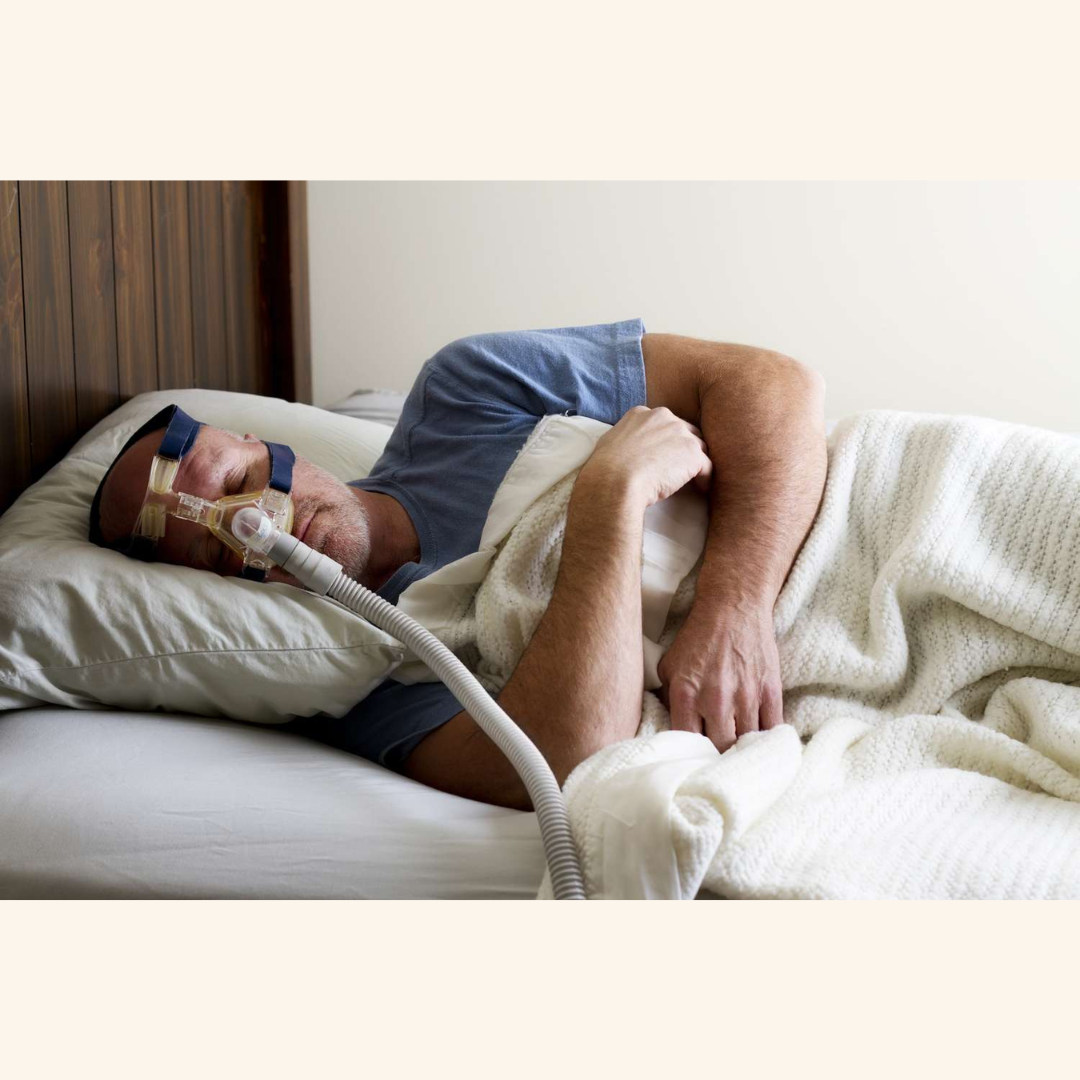
PAP therapy is a standard treatment for OSA. It involves wearing a mask connected to a machine that delivers a continuous stream of air, keeping the airway open during sleep. This prevents the breathing interruptions characteristic of OSA, leading to better sleep quality and oxygenation.
The Study: COPE-PAP Trial
The COPE-PAP trial, led by Dr. Marta Kaminska at McGill University, was a randomized controlled study examining the effects of PAP therapy on cognitive function in PD patients with OSA. Over six months, participants who adhered to PAP therapy showed significant improvements in executive and psychomotor functions, sleep quality, and other non-motor symptoms compared to those who did not receive the therapy .
neurodegenerationresearch.eu
+3
Neurology live
+3
Neurology Advisor
+3
Implications for Patients and Caregivers
These findings highlight the importance of screening for and treating sleep apnea in individuals with Parkinson's disease. By addressing OSA with PAP therapy, patients may experience not only better sleep but also improvements in cognitive function and overall quality of life.
Conclusion
While more research is needed to fully understand the relationship between sleep apnea treatment and cognitive function in Parkinson's disease, this study provides promising evidence that managing sleep-related breathing disorders can have a positive impact on cognitive health in PD patients.
Comments (0)
Loading comments...