


French Team’s Light Therapy Offers New Hope for Slowing Parkinson’s
August 3, 2025
We’ve discussed many times how hard it is to find treatments that actually slow Parkinson’s disease rather than just ease symptoms. Now a new French trial has added something hopeful to the conversation: light.
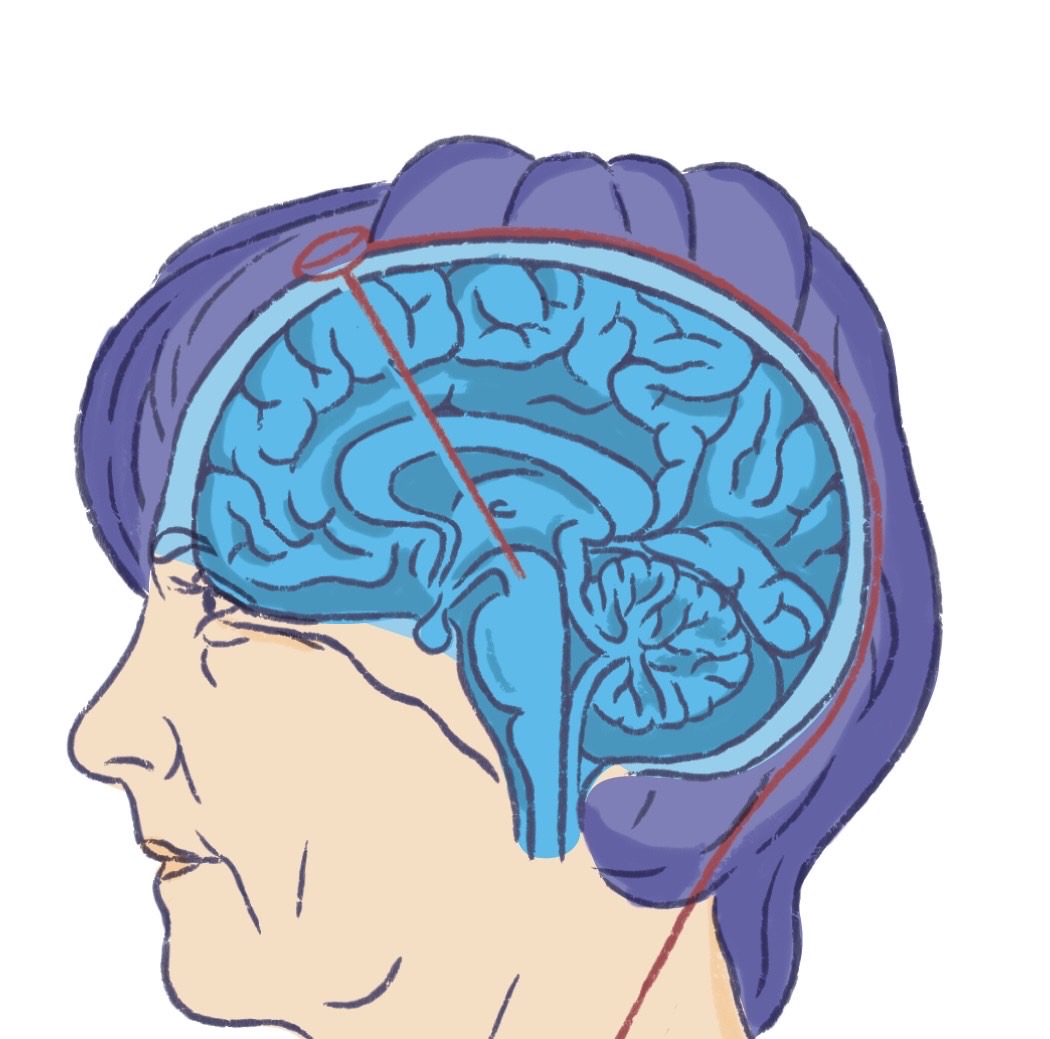
A team in Grenoble has tested a technique that uses near‑infrared light delivered directly to damaged brain regions. The light reaches deep areas involved in dopamine production—precisely where Parkinson’s robs the brain of critical function. In an early-stage trial, seven patients received this implant-based light therapy, and three of them showed signs of slowed disease progression and improved brain function.
This approach builds on what we know about transcranial photobiomodulation, a method that delivers energy-rich light to activate mitochondria—the power producers inside cells. By stimulating these structures, the treatment may help restore dopamine output and protect neurons from further decline.
What stands out here is that this isn’t just symptom control or tweaking neural signals. Instead, the goal is to revitalize worn‑out cells, offering a kind of neuroprotection. Exactly how long these improvements last remains unknown—it’s early days—but the fact researchers saw visible changes in movement or neural activity in even a few patients is exciting.
This light-based method echoes the origins of Parkinson’s surgical treatment in Grenoble. Decades ago, cerebrally implanted devices first made deep brain stimulation possible. Now, researchers from Clinatec and Grenoble University Hospital are pushing that legacy forward with light instead of electricity, paired with innovations in nanotech and micro‑electronics.
Of course, it’s important to be cautious. This trial involved only a handful of patients, and results still need peer-reviewed publication. That said, if further research confirms these findings, then photobiomodulation could one day join or even outpace surgical approaches—offering a non‑destructive, finely targeted—and potentially more protective—alternative.
In short, while we’ve circled around neuroprotection many times before, this French study offers something vivid: not just slowing symptoms, but potentially halting the downward slide of Parkinson’s through light-triggered brain repair. It’s still experimental—but if it pans out, it could change how we approach the disease entirely.
Photo: Le Monde
Comments (0)
Loading comments...