


Brain wiring damage explains why Parkinson's manifests differently in every individual
March 2, 2026
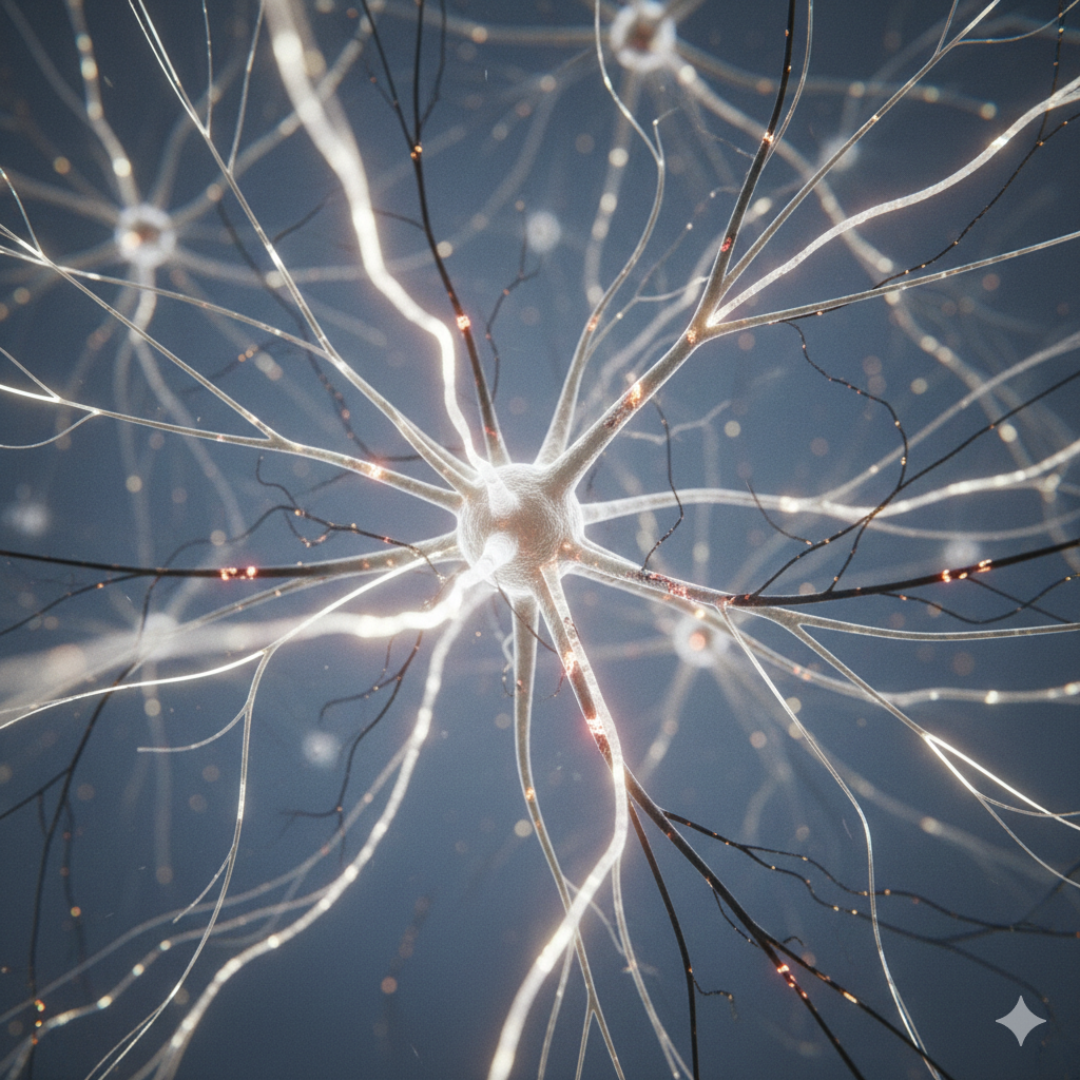
Imagine the brain as a colossal, high-tech office building where every department must communicate instantly. The grey matter houses the brilliant minds in the offices, but the white matter is the vital network of fibre-optic cables running through the walls that keeps them talking. A new study reveals that in Parkinson's, the issue is not just the staff inside the offices struggling; the cables connecting them are being severed in unique, distinct patterns.
Researchers have mapped these structural networks to better understand why Parkinson's looks so different from one person to the next. For years, the community has known that two individuals can have the same diagnosis but vastly different daily realities. Some people grapple primarily with tremors, while others find their balance and gait are the main enemies. This research provides a compelling answer, showing that different cables in the white matter network fail depending on the clinical subtype. It suggests that the specific wiring breakdown dictates the specific symptom profile.
The implications for understanding how the condition progresses are profound. By looking at which parts of this intricate web are deteriorating, scientists can effectively predict the roadmap of the journey. This is more than just observing decline; it is about finally pinning down the reason behind the diversity of symptoms. It suggests that the brain’s integrity is being compromised in a tiered, logical sequence rather than a chaotic free-for-all.
This deeper insight into the brain’s failing infrastructure is a game-changer for precision care. If we can identify which connections are fraying, we move closer to anticipating the future needs of each person. It takes the guesswork out of the diagnosis and replaces it with a clear, structural understanding of how the internal communication network is fracturing, marking a significant stride toward a future of genuinely personalised management.
Comments (0)
Loading comments...