


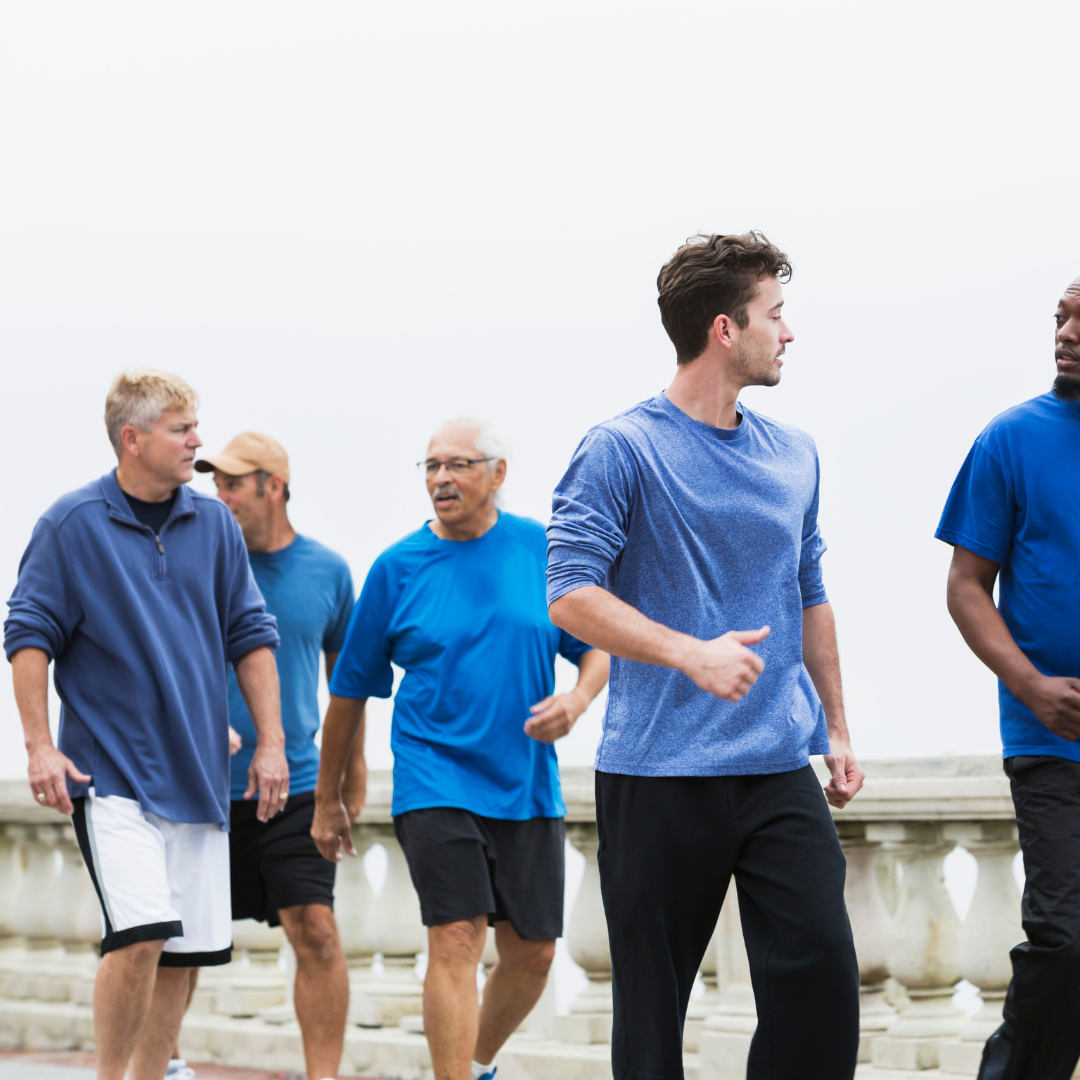
Younger exercise partners improve mobility and wellbeing in Parkinson’s
May 14, 2026
A recent study published in May 2026 suggests that pairing people with Parkinson's with younger exercise partners can significantly improve physical mobility and emotional wellbeing compared to traditional solo exercise. This approach, known as intergenerational physiotherapy, focuses on the benefits of social connection and motivation to help manage the condition.
The research, conducted over six months, followed 18 people with Parkinson's as they engaged in a month-long intensive exercise programme. While half the group followed a standard professional-led routine, the other half worked alongside partners aged 18 to 25. These younger companions acted as motivators and exercise buddies, participating in tasks like ball passing, obstacle navigation, and rhythm-based movements.
The results showed that while both groups improved, those working with younger partners saw much greater gains. Specifically, they performed better in "Timed Up and Go" tests, which measure how quickly a person can rise from a chair, walk, and sit back down. They also showed superior balance on the Berg Balance Scale, a key indicator of fall prevention.
Beyond the physical benefits, the study highlighted a major boost in quality of life. People in the intergenerational group reported feeling more confident, less socially isolated, and more motivated to stick to their routines. The younger participants also reported a positive experience, gaining a deeper understanding and empathy for those living with the condition.
Researchers believe the success of this method lies in the "dual-task" nature of the sessions. By combining physical movement with social interaction and conversation, the brain is challenged in a way that standard exercise might not provide. This extra cognitive engagement can help improve coordination and movement initiation.
While the study was small and conducted over a short period, it highlights a promising shift towards more holistic, person-centred care. By addressing the emotional and social aspects of Parkinson's alongside physical symptoms, intergenerational physiotherapy offers a witty and engaging way to enhance daily life and independence.
Comments (0)
Loading comments...