


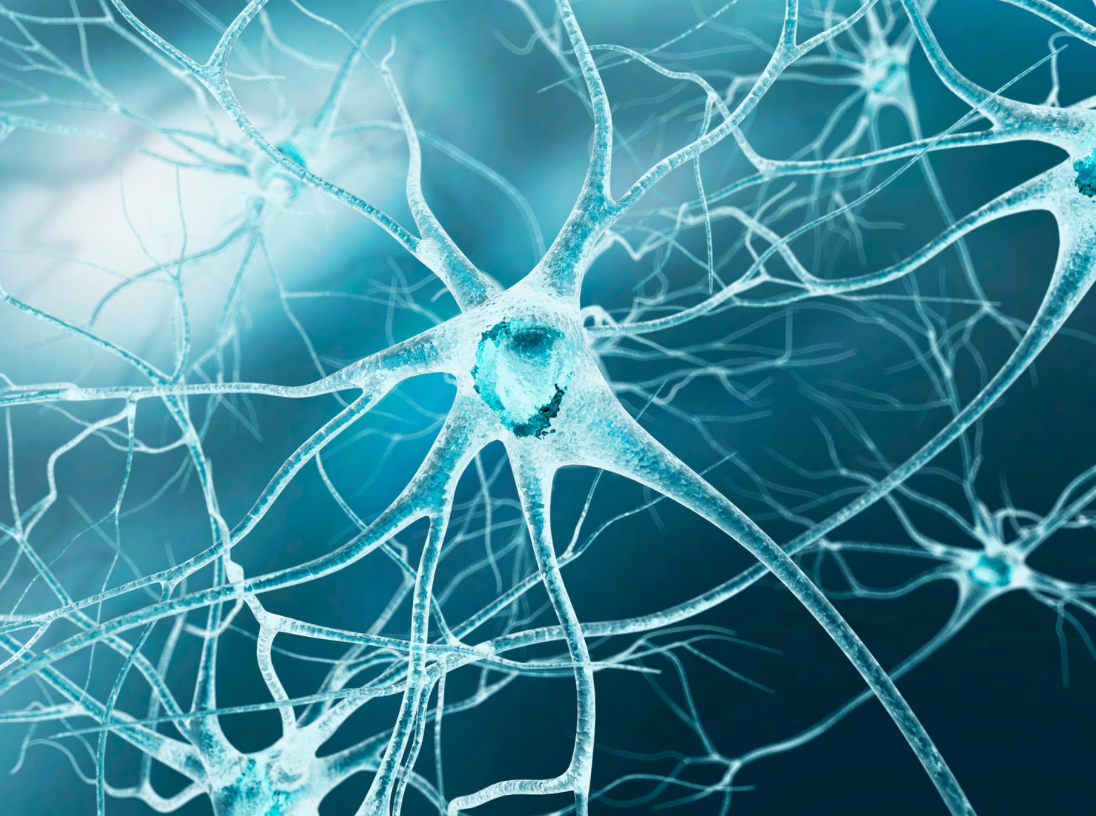
Parkinson's disease could be treated by FDA-approved cancer drug after major research breakthrough
January 26, 2025
 LeahJS
Researchers have discovered how two proteins, Aplp1 and Lag3, work together to contribute to Parkinson’s disease by allowing harmful protein clumps, called alpha-synuclein, to build up in brain cells. These clumps are linked to the death of brain cells that produce dopamine, a chemical needed for smooth movement. This process causes the movement problems and other symptoms seen in Parkinson’s, such as tremors, stiffness, and difficulty walking or speaking.
The study found that while Aplp1 and Lag3 each help brain cells absorb alpha-synuclein on their own, they are far more effective together. Blocking their interaction using a drug originally designed to treat melanoma nearly stopped the harmful clumps from forming in mouse models of Parkinson’s. The researchers believe this could lead to new treatments that slow or stop the disease. This discovery offers hope for a treatment that could stop the disease from progressing by targeting one of its root causes. Scientists are now testing these new therapies further to see if they can work in humans.
Comments (0)
Loading comments...