


Why sweating and raising your heart rate protects your brain in Parkinson's
October 2, 2026
 Beatrice
If there is one thing emerging loud and clear from clinical research, it is that exercise is far more than just a healthy lifestyle choice. In an insightful webinar hosted by the Davis Phinney Foundation, leading neuroscientists Dr Jay Alberts from the Cleveland Clinic and Dr Daniel Corcos from Northwestern University broke down the genuine science behind exercise and how physical effort shields brain function.
The standout message is simple: breaking a sweat and elevating your heart rate is genuinely neuroprotective, which means it helps slow down the progression of Parkinson’s over time.
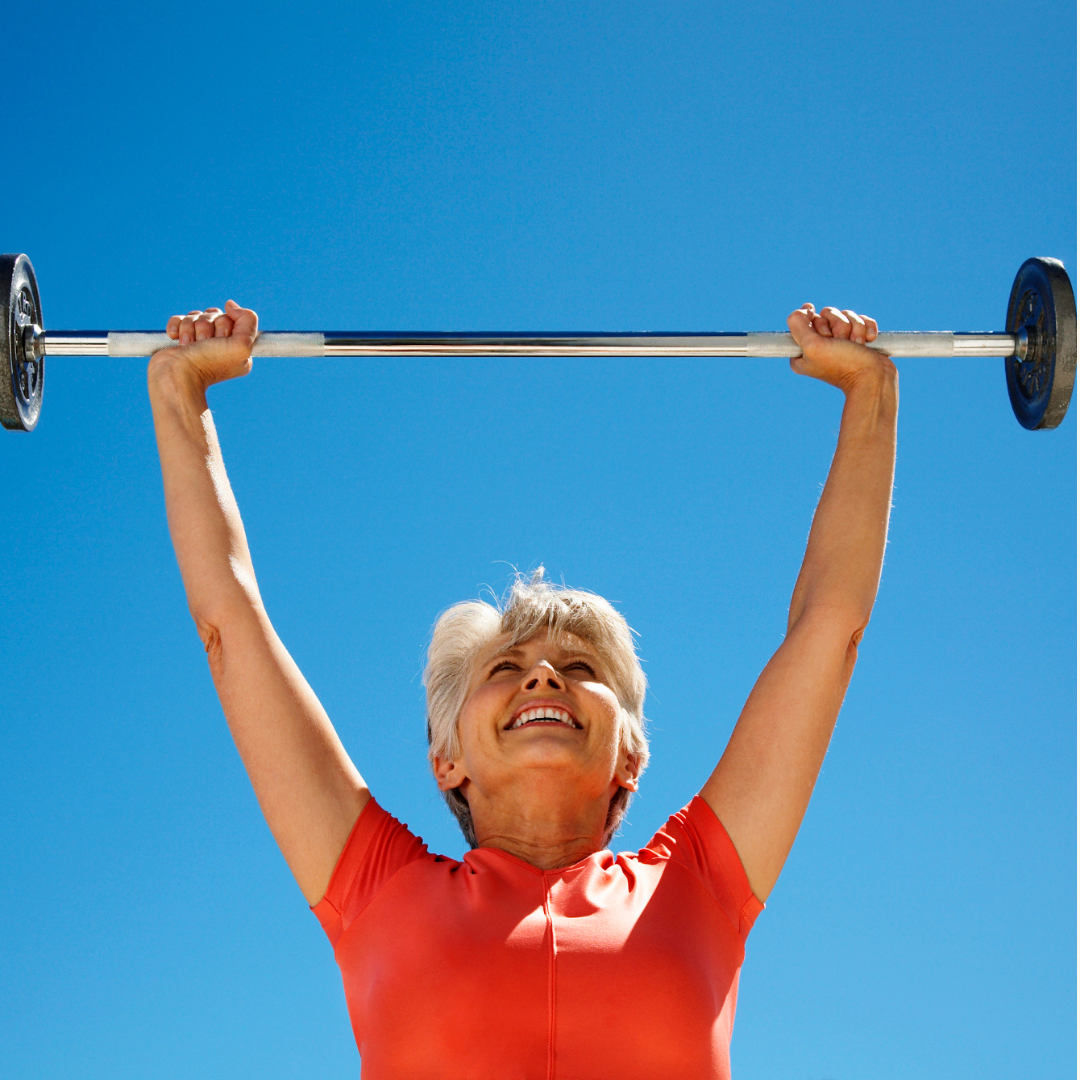
While gentle activities like gardening or a stroll around the block are wonderful for keeping mobile, research shows that the real magic happens when you push into cardiovascular territory. It is the high heart rate itself, rather than the specific type of exercise, that triggers protective mechanisms in the brain. The clinical target supported by trials such as SPARX3 is aiming for thirty to forty-five minutes of aerobic activity, three to four times a week, working hard enough that you would struggle to carry on a casual conversation.
Yet knowing what the science says and putting it into practice are two very different things. If getting your heart pumping on a bicycle feels like hard work because self-initiated movement is tricky, walking briskly on a treadmill can provide that steady cue your body needs. For women, building in regular strength training and flexibility work is particularly valuable, especially core stability that helps you rise smoothly from bed or your favourite armchair.
The beauty of movement is that you do not need to stick to one rigid discipline. Cross-training keeps things fresh and engages different muscle groups. Dancing is a prime example: it blends aerobic effort, rhythm, coordination, and genuine joy. Taking a partner dancing or joining a lively class lifts mood and cuts through apathy and anxiety, which can otherwise make moving feel like a mountain to climb.
Safety and personal adaptation always come first. Exercising indoors on a stationary bike keeps the focus on raising your pulse without the worry of road hazards, outdoor distractions, or balance issues. For those facing limited mobility or joint pain, adapted routines, seated high-intensity sessions, and dual-task balance drills guided by a neurophysiotherapist can work wonders. What matters most is choosing what you can safely do and sticking with it.
A helpful shift in medical thinking involves how we view medication. Rather than holding off or taking the bare minimum, the modern approach is to medicate to exercise. Taking your levodopa so that it peaks when you need to move ensures you get the full mobility benefits out of every workout, safeguarding your independence and stamina for the years ahead. Building a support network of friends, family, and walking partners keeps the momentum alive, turning regular effort into lasting vitality.
Comments (0)
Loading comments...