


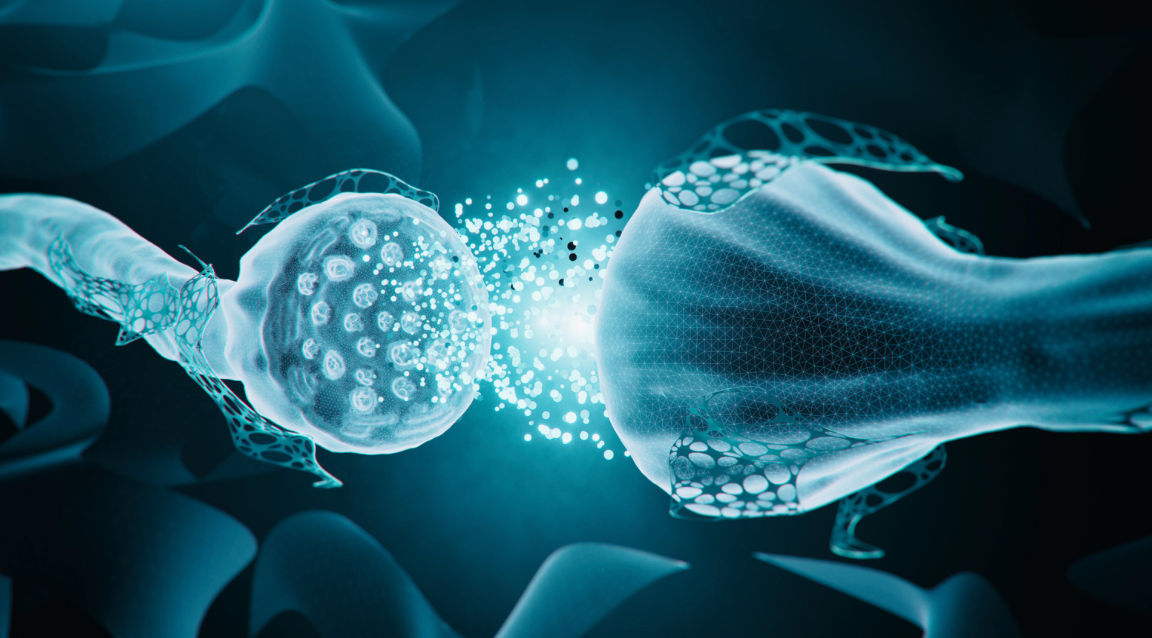
Cellular energy production may be an ideal drug target for treating Parkinson’s disease
November 16, 2024
 LeahJS
Researchers are exploring the role of energy metabolism in Parkinson's disease, focusing on how neurons fuel themselves. Tim Ryan, a biochemist at Weill Cornell Medicine, has shown that enhancing a specific enzyme, PGK1, involved in energy production, can restore function in neurons with Parkinson’s-related mutations.
The connection between PGK1 and Parkinson’s emerged from earlier studies on terazosin, a prostate medication that unexpectedly boosted PGK1 activity. This discovery spurred further research, demonstrating that terazosin slowed Parkinson’s progression in animal models and correlated with fewer cases in human patients using the drug. Ryan’s lab confirmed that PGK1 is crucial for energy production during synaptic activity, which is vital for neuron communication.
Ryan’s team showed that increasing PGK1 activity helps neurons affected by certain Parkinson’s mutations but not others, revealing new insights into the disease’s mechanisms. Additionally, overexpressing PGK1 protected mice from Parkinson’s-like symptoms in experimental models. While these findings don’t endorse terazosin as a treatment, they support the theory that Parkinson’s is fundamentally linked to neuronal energy deficits and open pathways for new therapies.
Comments (0)
Loading comments...