


A South African Plant Shows Promise in Parkinson’s Research
July 21, 2025
What if a succulent plant from South Africa could help protect the brain in Parkinson’s disease? A team of researchers recently investigated just that—and the results are promising.
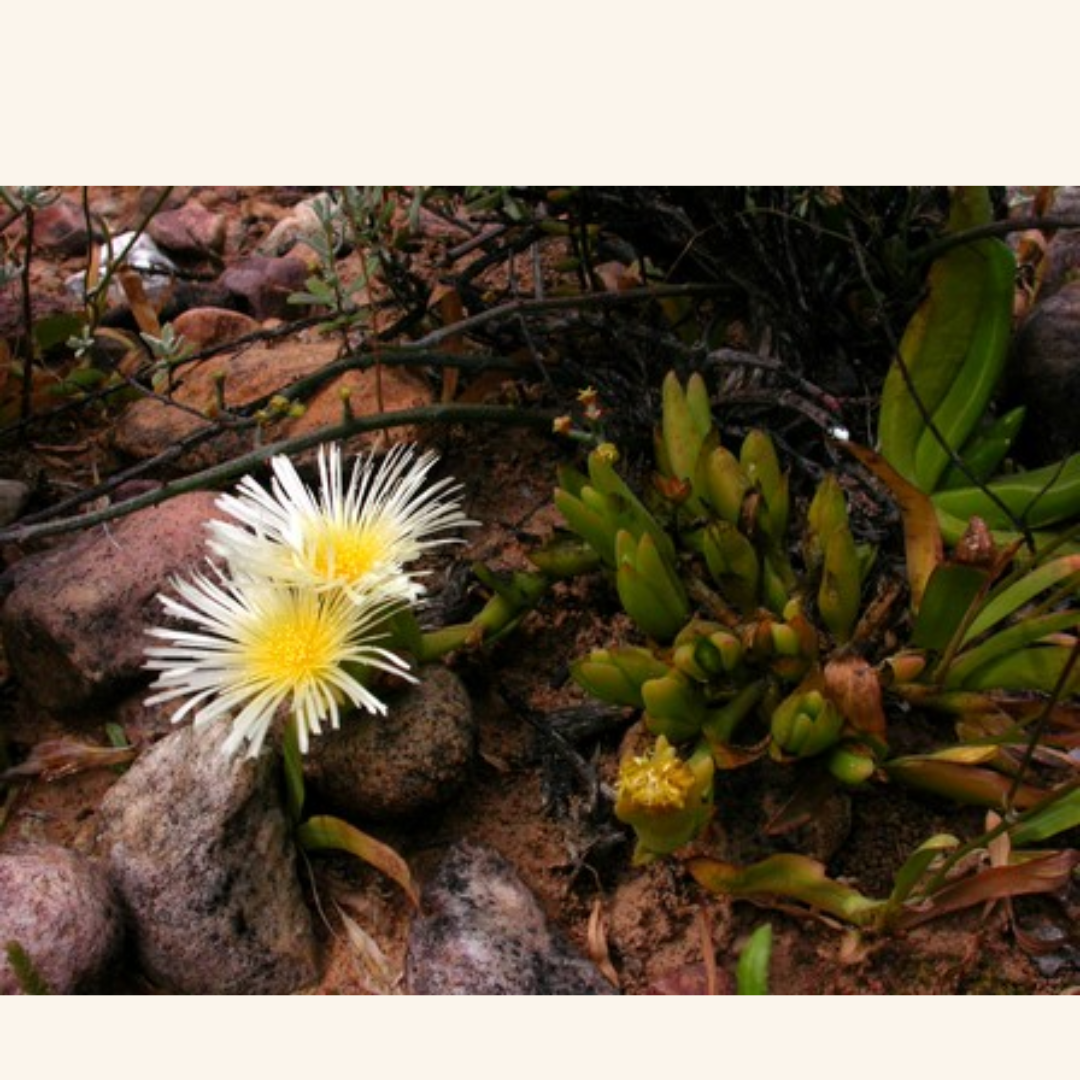
This study explored the effects of Mesembryanthemum tortuosum, also known as kanna, on a zebrafish model of Parkinson’s disease. While it’s early days, findings suggest this plant could offer neuroprotective (brain-saving) and neurorestorative (brain-healing) benefits.
What is Mesembryanthemum tortuosum?
Kanna is a traditional medicinal plant long used in South Africa for its calming and mood-enhancing properties. In modern times, it's attracted interest for its natural serotonin-boosting effects, as well as for reducing stress and anxiety.
This study asked a new question: Could kanna protect the brain against the kind of damage seen in Parkinson’s disease?
Why zebrafish?
Zebrafish may seem like an odd choice, but their brains have many similarities to ours, and they’re a popular model for studying Parkinson’s. Scientists can easily observe how different treatments affect their nervous system.
What did the researchers find?
The zebrafish were exposed to a toxin (6-OHDA) that mimics Parkinson’s by damaging dopamine-producing brain cells—the same type affected in people with PD.
When treated with an extract from kanna, the fish showed:
Less brain damage to dopamine neurons
Improved movement
Lower oxidative stress (damage caused by harmful molecules in the body)
Signs that their brain cells were being protected and possibly even repaired
The extract worked both preventatively (protecting cells before damage occurred) and restoratively (helping after damage was done).
What’s the science behind it?
Kanna contains compounds that act as:
Antioxidants – helping to neutralise damaging free radicals
Anti-inflammatories – calming harmful inflammation in the brain
Neuroprotective agents – preserving dopamine neurons
The study also found that kanna may affect important pathways in the brain linked to cell survival, such as the PI3K/Akt pathway, which helps regulate growth and repair.
What does this mean for people with Parkinson’s?
It’s too soon to say. This is a preclinical study, meaning it was done in animals, not humans. We don’t yet know if kanna would work the same way in people with Parkinson’s—or what the ideal dose or format would be.
However, the results are exciting because they show that natural plant compounds may hold potential in helping slow down or even reverse some of the brain damage caused by Parkinson’s.
What’s next?
The researchers suggest that kanna deserves further study in more complex models—and possibly eventually in human trials.
In the meantime, this adds to the growing list of natural compounds (like NAC, resveratrol, and curcumin) being explored for their potential role in supporting brain health in Parkinson’s.
Comments (0)
Loading comments...