


How oestrogen shields brain cells in Parkinson's
September 4, 2026
 Beatrice
Inside our nervous system, tiny molecular battles take place every second. For people with Parkinson's, one of the most critical challenges involves the gradual loss of specialised nerve cells responsible for producing dopamine, the chemical messenger that coordinates smooth movement, balance, and fine motor control. Over the last decade, a fascinating line of scientific enquiry has revealed that our own natural hormones, particularly oestrogen, play a surprisingly powerful role in keeping these delicate brain cells healthy and resilient.
A major scientific review published this week in the journal Metabolic Brain Disease brought together ten years of preclinical research examining exactly how oestrogen acts as a protective shield for neurons. While most people think of oestrogen simply as a reproductive hormone, it doubles as an energetic bodyguard within the brain.
To understand why this matters, it helps to picture what goes wrong inside a vulnerable nerve cell. Under ordinary stress, three main problems emerge.
First, the cell batteries, known as mitochondria, run out of power and fail to generate steady energy. Second, unstable chemical fragments cause cellular rust, known as oxidative stress, which wears down internal components. Third, the brain's internal immune defenders overreact, sparking chronic inflammation that damages healthy neighbours.
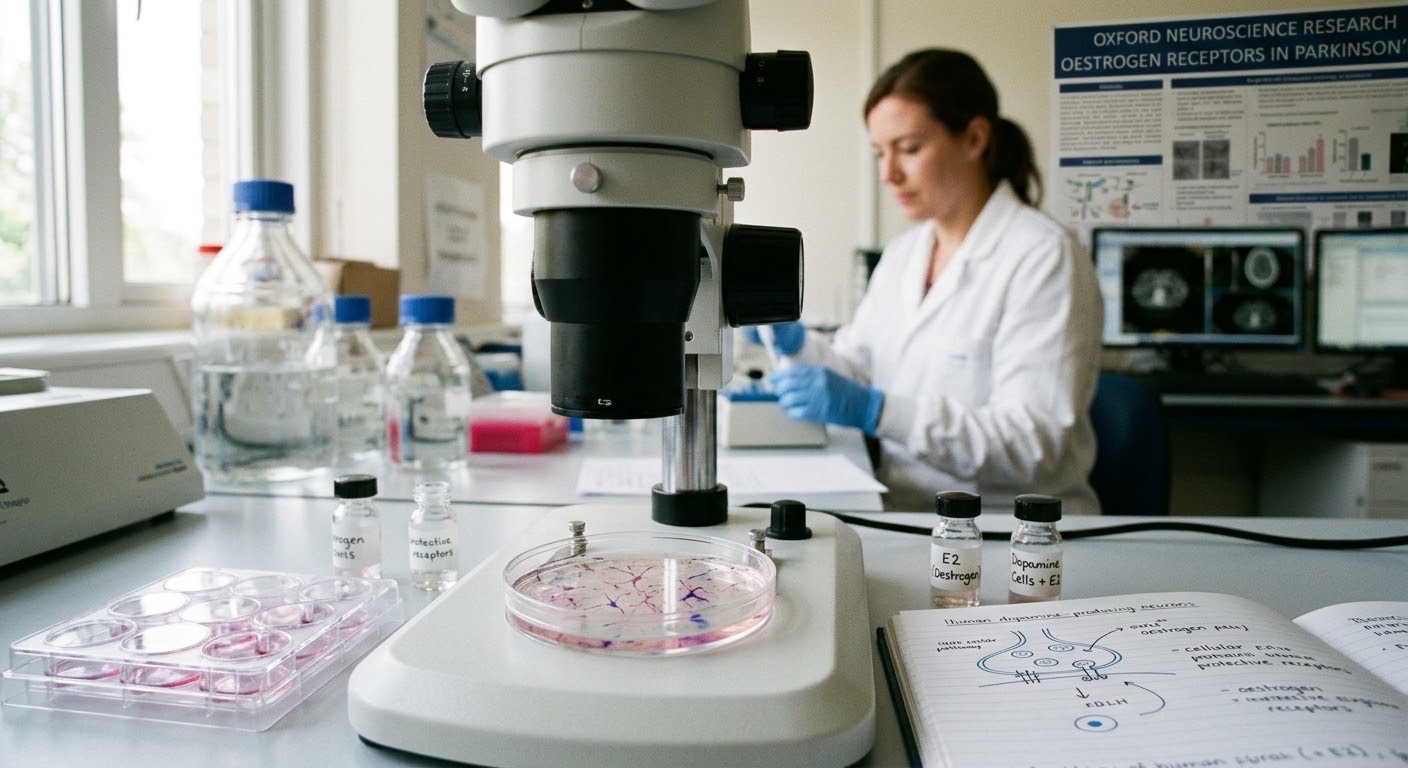
This is where oestrogen steps in. Brain cells feature special docking bays on their surfaces and inside their control centres, named oestrogen receptors. When oestrogen slots into these receptors, it triggers two rescue operations at once. In one fast move, it switches off self destruct signals inside the cell and dials down inflammatory chemical alerts. In a slower, deeper move, it journeys into the cell nucleus to switch on genes that make natural antioxidants and restorative survival proteins. In laboratory tests, keeping these biological docking bays active shielded dopamine cells from toxic hits and helped experimental models maintain steady physical coordination.
A few days ago, we looked at a $1, where researchers debated whether certain hormone combinations might alter the risk of developing the condition. It is easy to wonder why laboratory tests show such clear protection while everyday prescription records paint a far more confusing picture.
The difference comes down to the vast leap from clean laboratory dishes to the reality of the human body. In a dish, pure oestrogen touches brain cells directly. In daily life, taking a standard hormone tablet means the medicine must travel through the digestive system, interact with liver enzymes, alter blood vessels, and often combine with synthetic progestins that can inadvertently cancel out the brain benefits. Timing also changes everything: introducing hormones when cells are still youthful works very differently from introducing them years later to tissue that has already weathered decades of change.
For people living with Parkinson's, this contrast offers a clear and reassuring takeaway. Standard hormone replacement therapy is not currently a treatment for the condition, and nobody should change their existing prescriptions based on these findings. Instead, the real excitement lies in what the laboratory models have unlocked. By pinpointing the exact cellular docking bays that keep dopamine cells alive, scientists can now design bespoke, targeted compounds that trigger only the protective switches in the brain without disturbing the rest of the body. It gives researchers a clear, practical roadmap to develop new therapies aimed straight at preserving vitality where it counts most.
Comments (0)
Loading comments...