


How gut bacteria and simple B vitamins could help treat Parkinson's
August 19, 2026
 Beatrice
Long before movement changes appear, subtle digestive shifts such as stubborn constipation often signal that something is changing within the body. Scientists have spent years investigating why gut disruptions occur so early, and the answer appears to rest with the microscopic community of bacteria living inside our digestive system.
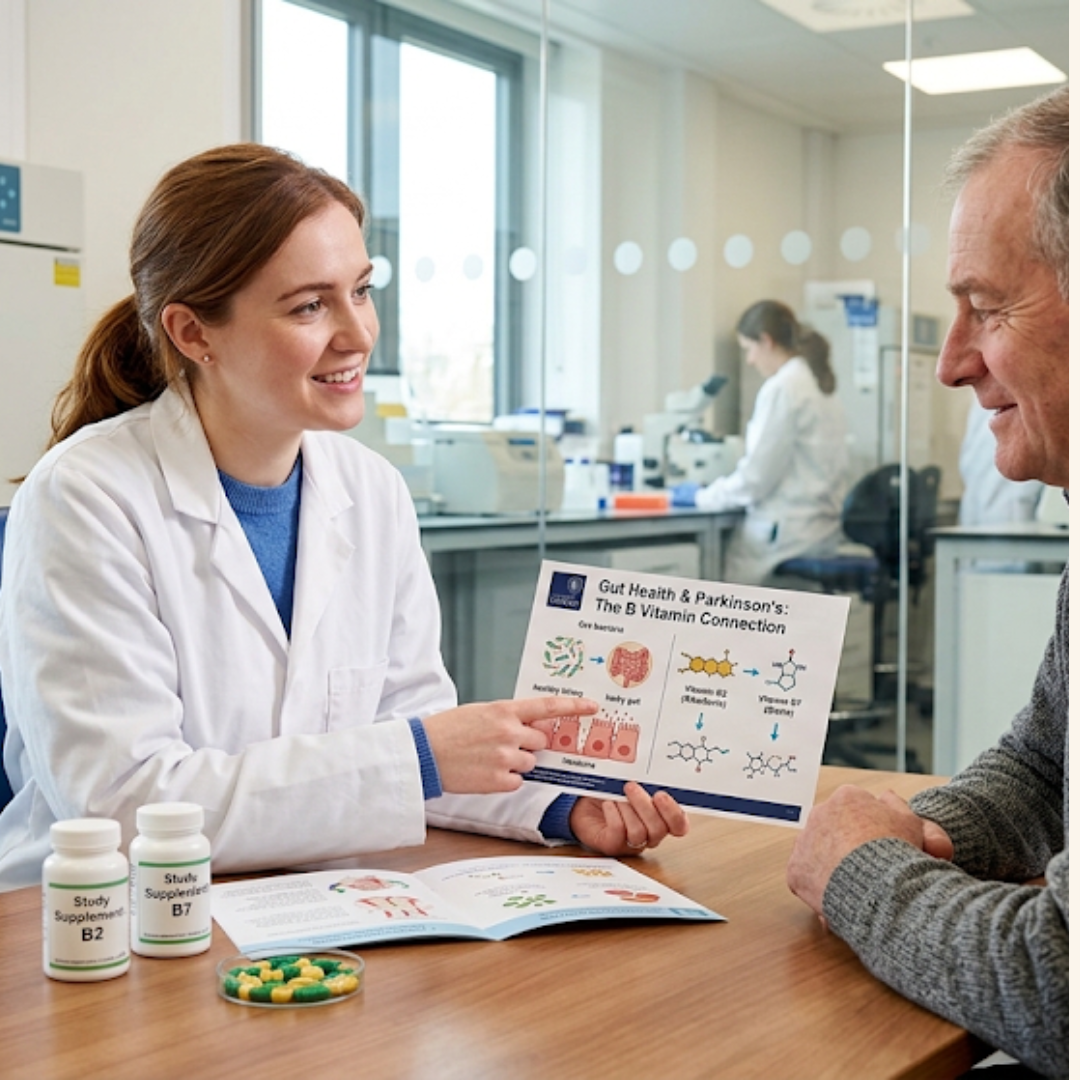
In a pivotal study from Nagoya University in Japan, medical researchers analysed the gut bacteria of people with Parkinson's and compared them to healthy individuals across several countries, including Germany, China, Taiwan, and the United States. Despite wide variations in diet and lifestyle across these regions, one consistent pattern emerged. The bacterial systems responsible for producing two essential B vitamins, riboflavin (vitamin B2) and biotin (vitamin B7), were significantly reduced.
This shortage matters because these specific vitamins support the production of short chain fatty acids and polyamines, molecules that maintain the protective mucus lining of the bowel. When these bacterial helpers dwindle, the intestinal barrier thins and becomes more permeable, sometimes described as a leaky gut. This allows everyday environmental toxins to irritate local nerves, which researchers believe encourages a protein called alpha synuclein to misfold and clump together. Over time, this clumping can trigger inflammation that travels along nerve pathways toward the brain, eventually affecting dopamine producing cells.
If an altered gut environment contributes to these changes, resetting the balance of microbes might help protect nerve function. Recent clinical trials exploring faecal microbiota transplants, where carefully screened beneficial bacteria from a healthy donor are introduced into the digestive tract, have provided compelling evidence for this concept. In a Belgian study called GUT PARFECT, participants who received donor transplants showed steady improvements in their movement scores over twelve months compared to those given a placebo.
A larger trial conducted at Zhengzhou University in China reinforced these findings in newly diagnosed individuals. Over thirty five weeks of donor transplants, participants experienced noticeable gains in mobility alongside sharp reductions in constipation. Laboratory checks showed that potentially harmful bacteria decreased, the gut lining strengthened, and levels of alpha synuclein in the bowel dropped considerably.
While faecal transplants demonstrate that altering the microbiome can directly influence physical symptoms, researchers do not see them as the only solution. The discovery that key B vitamins are missing suggests that targeted oral supplements of riboflavin and biotin could offer a much simpler, accessible way to support gut barrier health. While larger trials are still required to confirm the most effective doses, these findings offer an encouraging and practical new avenue for managing the condition.
Comments (0)
Loading comments...