


AI and Sensory Therapy: A Promising Path to Ease Freezing of Gait in Parkinson’s
April 29, 2025
 LeahJS
Researchers at Emory University and Georgia Tech are developing a new way to track and study freezing of gait (FOG), a common and frustrating symptom of Parkinson’s disease. FOG refers to brief episodes where someone suddenly feels like their feet are stuck to the floor, making it difficult to keep walking. These episodes can increase the risk of falls and affect independence.
A New Clinical Trial Combining Light, Sound, and AI
This new technology is being tested in a clinical trial at Emory’s Movement Disorders Center. The trial is exploring whether a noninvasive therapy called gamma sensory flicker — which uses light and sound flashing at 40 times per second — might ease Parkinson’s symptoms. Originally tested in Alzheimer’s research, this type of stimulation has been shown to help the brain clear harmful proteins.
Tracking Movement More Accurately with AI
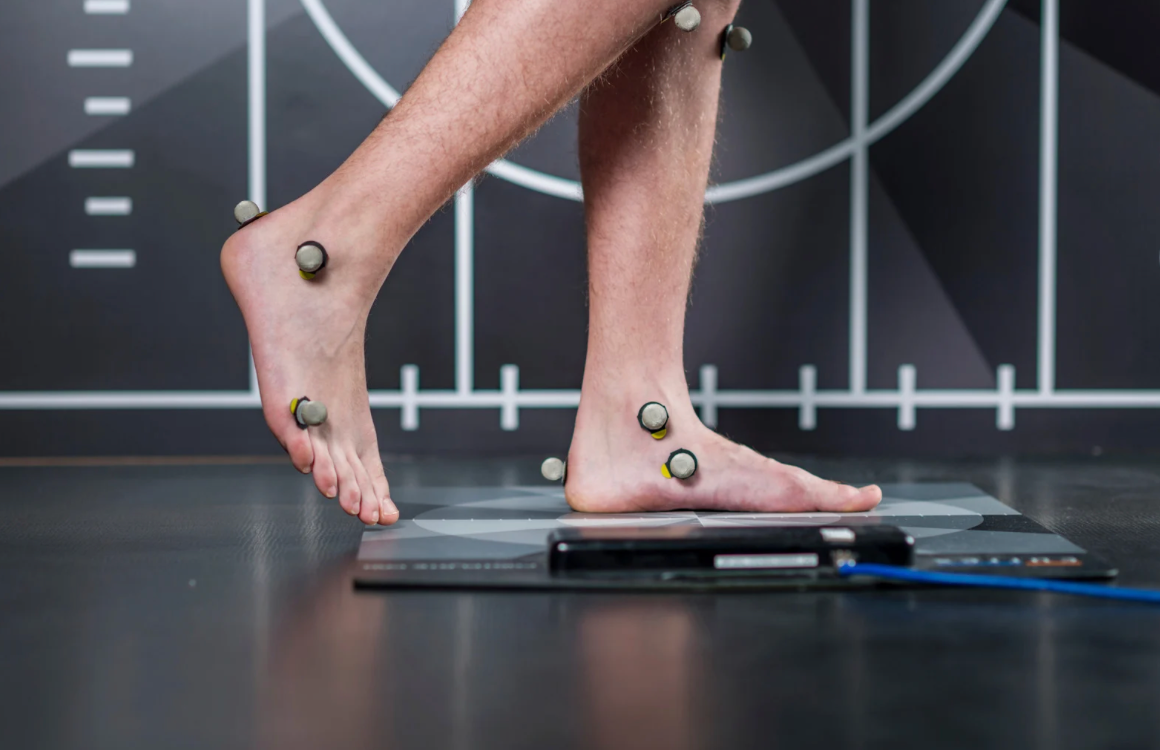
To measure how well this therapy works, researchers are using advanced motion capture and a new AI tool called ClassiFOG. This technology allows for highly detailed and consistent tracking of movement, helping researchers see even subtle changes in how often and how severely someone experiences FOG. This level of insight would be difficult to achieve through observation alone.
A Focus on Safety and Real-Life Use
The study will include about 24 people with Parkinson’s, aged 50 to 75, who are stable on their usual medications. Participants will use special goggles and headphones at home for daily one-hour sessions over six months. Researchers will monitor safety, treatment effects, and how the therapy might influence movement, memory, and thinking.
Hope for Better Understanding and Support
While current Parkinson’s medications can help with many symptoms, they don’t always relieve freezing of gait. This study aims not only to learn more about why FOG happens, but also to explore new ways to reduce its impact — with the ultimate goal of supporting better mobility, safety, and quality of life for people living with Parkinson’s.
Comments (0)
Loading comments...