


Researchers uncover clear links between resting saliva, tongue bacteria, and oral health in Parkinson’s
September 25, 2026
 Beatrice
A new study from the University of Copenhagen shows that the oral ecosystem changes in meaningful ways in Parkinson’s, offering practical clues for everyday care. By comparing dental health and oral swabs between people with the condition and controls, the researchers discovered that the primary differences sit quietly on the surface of the tongue and in resting salivary glands.
Participants with the condition produced far less resting saliva than their peers, even though their salivary glands kicked into gear normally when chewing. Resting saliva works as the mouth’s continuous cleaning cycle, sweeping away food debris, balancing acids, and preventing bacterial films from thickening. When that resting flow slows, dental plaque gathers much faster, and people often experience the confusing paradox of feeling a dry mouth whilst also managing saliva pooling or unintentional drooling.
Looking at the bacterial communities, the scientists found that the tongue had lost some of its normal microbial variety. In its place, opportunistic species that love low oxygen environments, particularly Fusobacterium periodonticum and Fusobacterium pseudoperiodonticum, grew in greater numbers. Interestingly, free floating saliva showed very little change between groups, which means the tongue coating itself is where these shifts actually anchor and flourish.
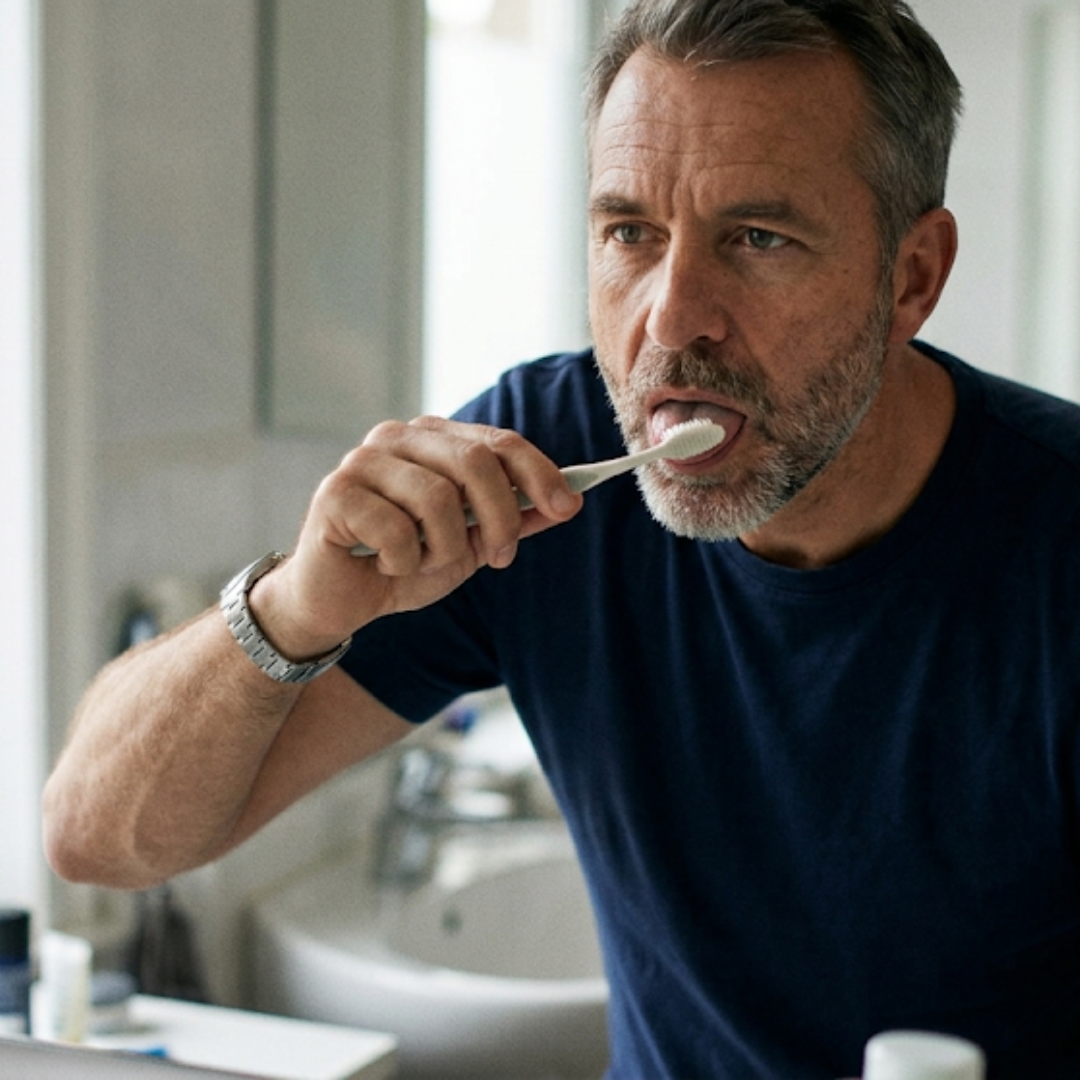
For daily life, these findings highlight why simple oral care routines matter far beyond fresh breath. Because resting saliva runs low, taking regular sips of water throughout the day helps replicate that missing natural rinse. Adding gentle tongue cleaning with a soft brush or scraper directly disrupts the sheltered bacterial layers before they alter the oral environment, and keeping up with daily flossing protects teeth from the accelerated plaque buildup that follows reduced saliva.
Comments (0)
Loading comments...