


Cure Parkinson’s research update: new trials, inflammation studies, and combination herapies
June 27, 2026
 Beatrice
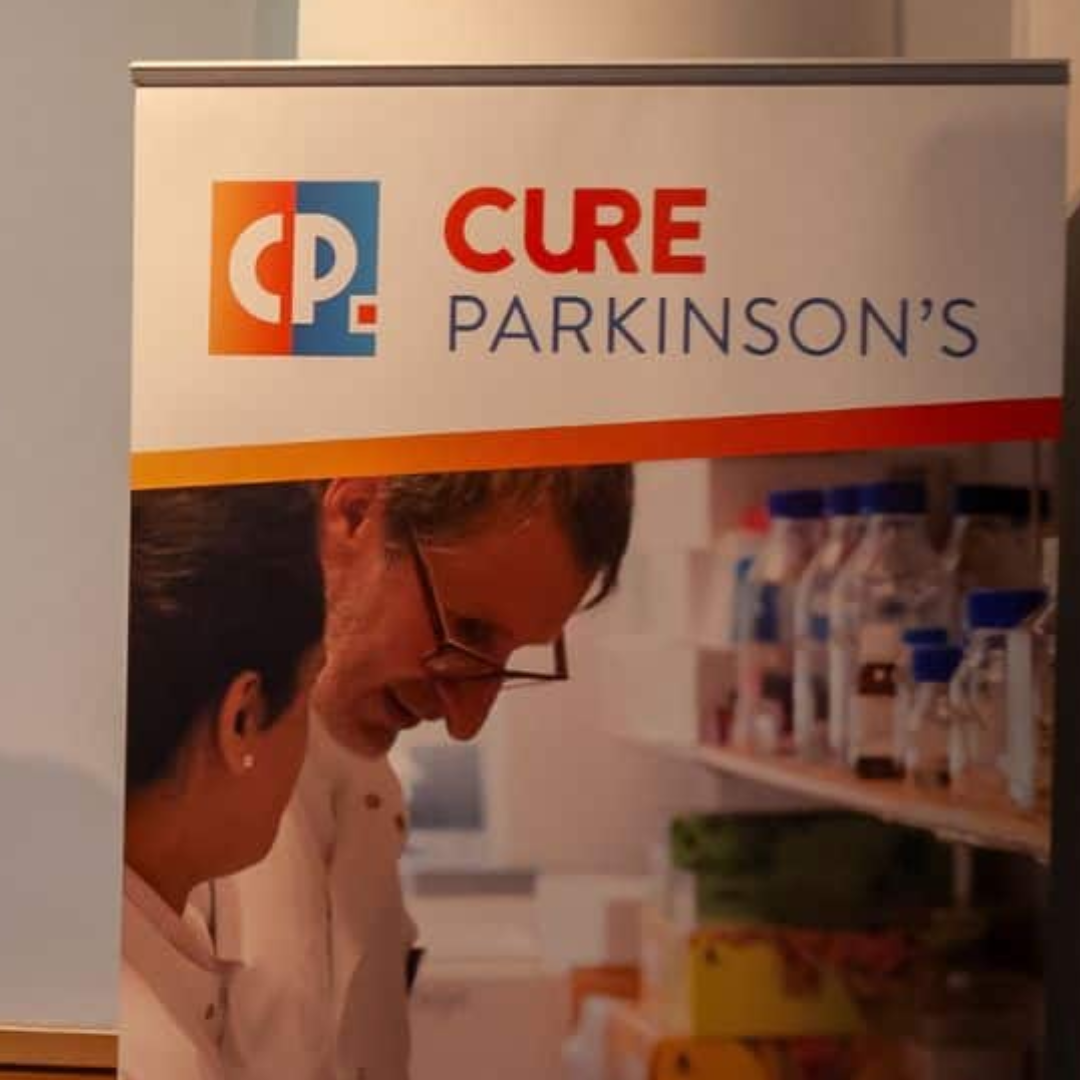
The latest biannual magazine from Cure Parkinson’s highlights how the scientific approach to finding a cure is evolving rapidly. By targeting specific underlying biological mechanisms, current clinical trials and funding initiatives aim to transform how the condition is managed.
Real progress across funded projects
The core of global research efforts lies in a diverse portfolio of funded projects that are moving into advanced clinical phases. A major update is the progression of two late-stage clinical trials in the United Kingdom, both of which are actively recruiting participants.
The first is EJS ACT-PD, a multi-arm, multi-stage clinical trial platform. This innovative platform allows researchers to evaluate several potentially disease-modifying treatments at the same time against a single, shared placebo group. This setup speeds up the research process significantly because scientists do not have to build a separate trial infrastructure for every single drug. Currently, this platform is evaluating telmisartan and terazosin, with plans to add a third treatment arm using ursodeoxycholic acid. All of these are existing medications repurposed from other medical fields.
The second major late-stage trial moving forward is ASPro-PD, which is investigating the potential of a cough medicine called ambroxol. Researchers want to see if high doses of this drug can help clear out unwanted proteins in brain cells, effectively slowing down the progression of Parkinson's.
Alongside these large trials, smaller projects are looking into natural compounds with high potential. For instance, researchers are studying theracurmin, a highly absorbable form of curcumin found in turmeric, to see if its anti-inflammatory properties can protect nerve cells. Another study is evaluating probucol, a cholesterol medication that shows early signs of being neuroprotective in laboratory models.
Understanding the link between inflammation and Parkinson's
A major area of focus in the latest update is the relationship between the body’s immune system and Parkinson's. There is growing evidence that chronic neuroinflammation, which is long-term inflammation within the brain, plays a significant role in the loss of nerve cells. When the brain's resident immune cells remain active for too long, they can inadvertently cause damage to the very cells they are supposed to protect.
To tackle this, funded researchers are studying treatments that specifically target and calm this inflammatory response. The latest research update featured presentations from scientists who are investigating ways to block the specific biological signals that trigger this chronic inflammation. By dampening this overactive immune response, the goal is to shield brain cells from further harm. This approach is particularly promising because it addresses a biological mechanism common to many people with Parkinson's, offering a realistic pathway to protect brain health and preserve function over time.
Testing the power of combination therapies
Perhaps one of the most ambitious strategic updates is the push toward combination therapies. Historically, clinical trials for disease modification have tested one drug at a time, looking for a single solution. However, because Parkinson's is a complex condition driven by multiple interacting biological pathways, targeting just one mechanism might not be enough to stop it.
To change this, a new two million pound funding call was launched to support research that tests two or more therapies in combination. A panel of Parkinson's experts is currently reviewing applications for this initiative. The concept borrows from successful strategies in cancer and heart disease treatments, where combining drugs often yields much better results.
In fact, combination treatments are already common for managing Parkinson's symptoms. The most frequent example is co-careldopa, which combines levodopa with carbidopa so that the medication can successfully reach the brain. By applying this same logic to disease modification, researchers hope to target different aspects of the condition simultaneously, such as combining a treatment that clears toxic proteins with another that reduces inflammation, thereby increasing the chances of finding a successful cure.
Comments (0)
Loading comments...