


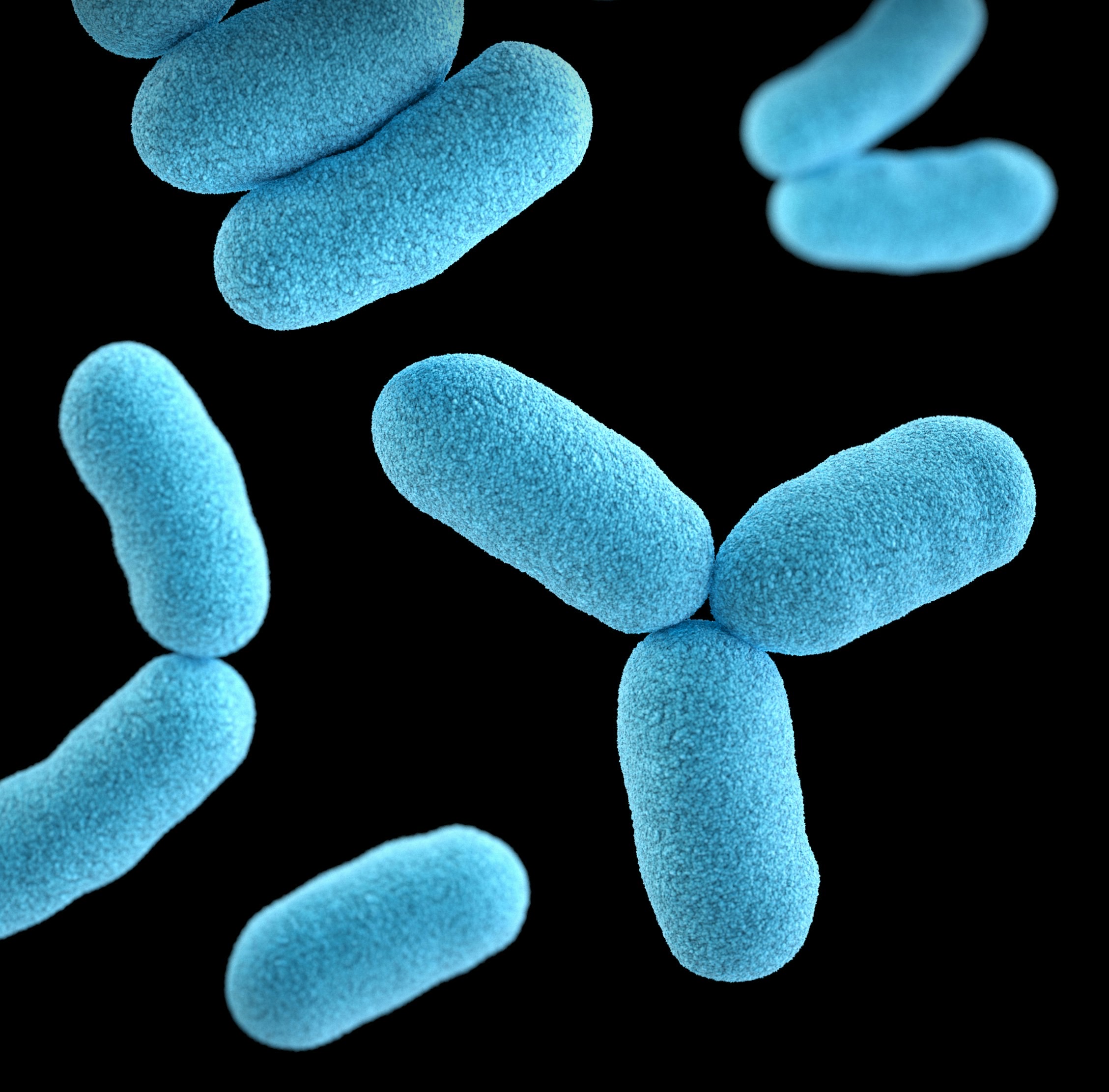
Engineering Gut Bacteria to Make L-DOPA Could Be a Game Changer for Parkinson’s
November 18, 2025
Researchers have bioengineered a strain of gut bacteria to produce L-DOPA, the key molecule used to treat Parkinson’s disease. In studies on mice and dogs, this engineered microbe—derived from a well-known probiotic—was given orally and managed to raise L-DOPA levels in the blood. Crucially, it also boosted dopamine in the brain, leading to better movement and reductions in depression-like behaviours in models of Parkinson’s.
Unlike traditional Parkinson’s treatment, which relies on taking L-DOPA as a pill, this method delivers the compound steadily and continuously. The team adjusted the bacteria so its production of L-DOPA can be finely tuned. When the engineered bacteria were fed to animals along with an inhibitor that helps prevent early breakdown of L-DOPA, blood levels stayed therapeutic for long periods.
In the mouse models, treatment improved motor performance without obvious side-effects. In canine models, the researchers used simulations based on pharmacokinetics and pharmacodynamics to show this could realistically work in larger mammals — laying the groundwork for future human trials.
This approach is particularly exciting because it harnesses synthetic biology: turning a friendly gut microbe into a continuous drug-delivery machine. If it proves safe and effective in humans, it could offer a non-invasive, long-term therapy for Parkinson’s — one that might avoid the peaks and troughs of current L-DOPA treatment.
Comments (0)
Loading comments...