


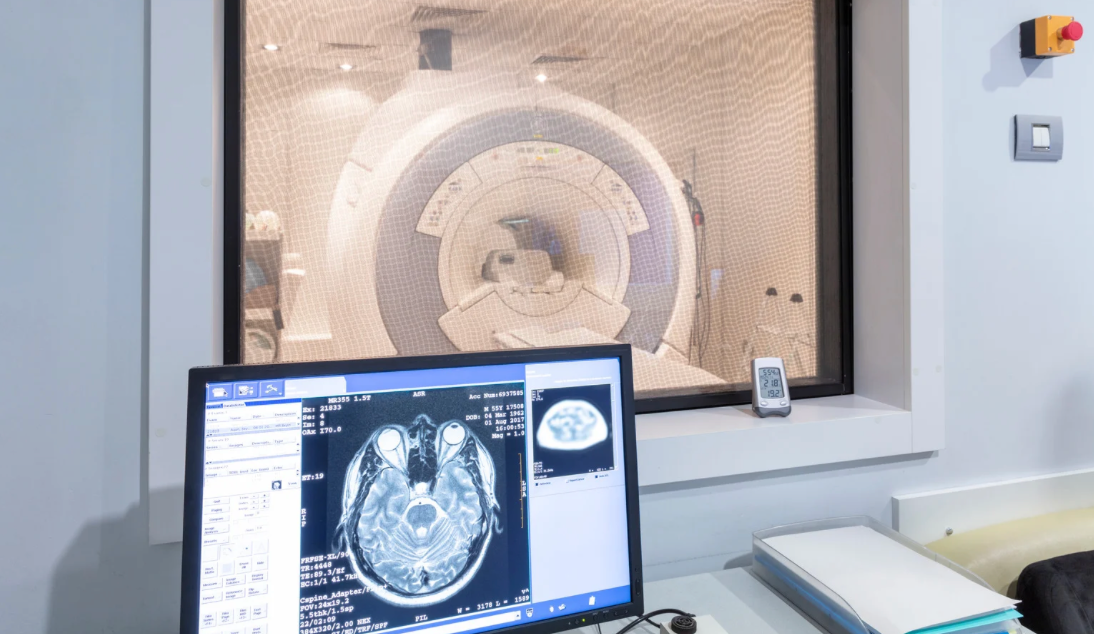
Insightec Announces FDA Approval of Staged Bilateral Focused Ultrasound Treatment for Parkinson's Disease
July 9, 2025
 LeahJS
A new procedure using Exablate Neuro, a focused ultrasound technology guided by MRI, is offering a non-invasive alternative to help manage symptoms of Parkinson’s disease. This approach does not require incisions, anesthesia, or implanted hardware, making it a lower-risk option compared to traditional surgery.
🧠 How It Works
Exablate Neuro targets precise areas in the brain’s pallidothalamic tract—a region involved in movement control. By using MRI-guided focused ultrasound, it can treat both sides of the brain with high accuracy while monitoring progress in real time.
✅ Promising Results from Clinical Trials
The new bilateral (both sides of the brain) treatment recently received FDA approval based on a multi-center clinical trial conducted across the U.S., Europe, and Asia. The trial showed encouraging improvements in motor symptoms for people with Parkinson’s who were no longer responding well to medication. Full results are expected to be published later this year.
🧪 A Complement to Medication
While medication remains the first-line treatment, many people with Parkinson’s experience reduced effectiveness or side effects over time. This technology offers a valuable new option for those who need additional support managing their symptoms.
📅 What’s Next?
A limited launch of the bilateral Exablate procedure is planned for 2025 at select centers, with efforts underway to make the treatment more accessible through insurance reimbursement pathways. Over 25,000 people worldwide have already been treated with Exablate technology for movement disorders at nearly 200 centers.
💬 What Experts Are Saying
“The ability to improve disabling symptoms without a surgical incision or anesthesia offers new hope for persons living with Parkinson’s disease,” said Dr. Arif Dalvi, a lead investigator in the clinical trial.
“I’m encouraged by the results and excited about what this offers my patients,” added Dr. Michael Kaplitt of Weill Cornell Medicine.
Comments (0)
Loading comments...