


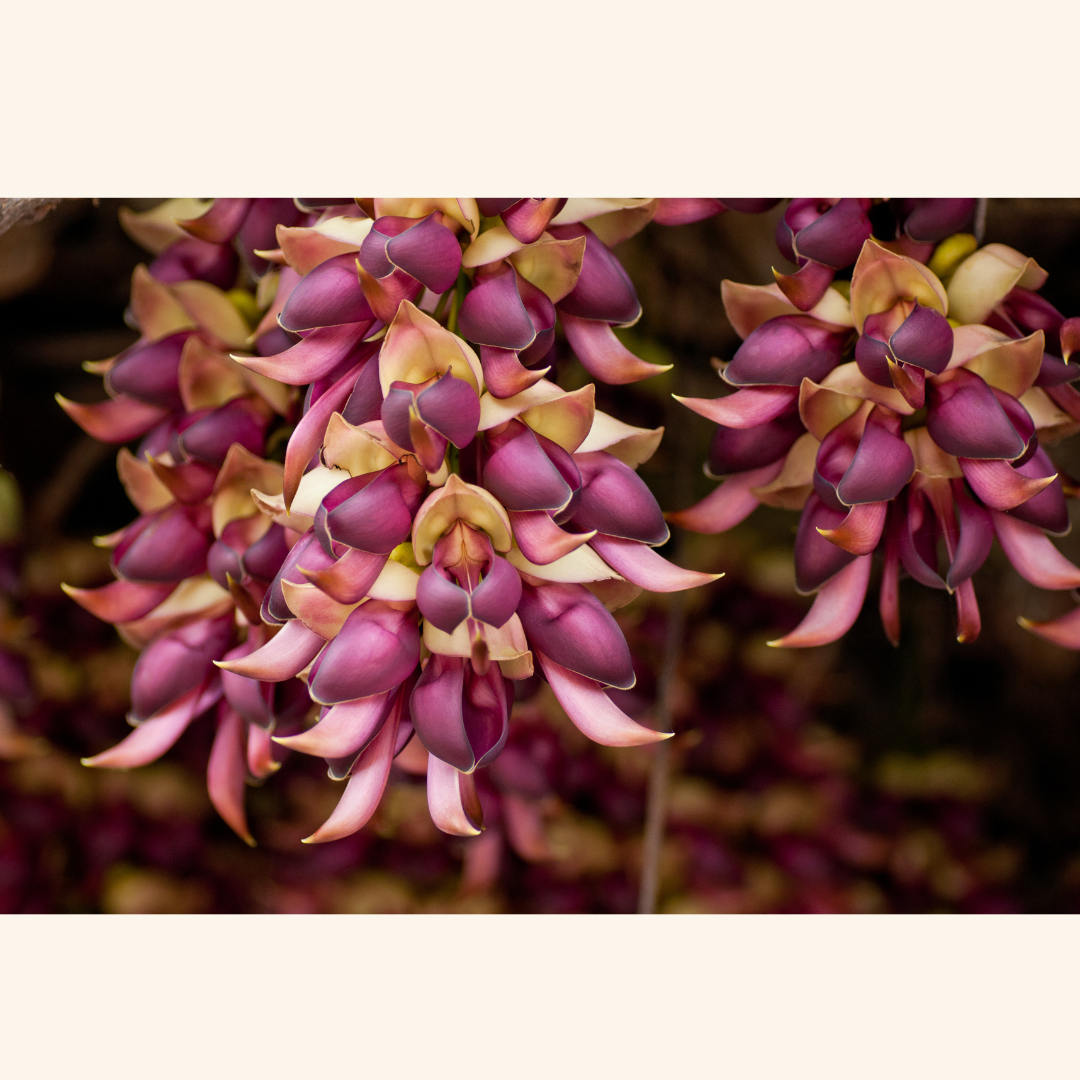
Unlocking the Therapeutic Potential of Mucuna for Parkinson's
April 28, 2025
As a naturopathic doctor and Parkinson's researcher, Dr. Tanya Denny has dedicated over a decade to exploring the medicinal properties of the tropical legume Mucuna pruriens. Her fascination with this remarkable plant began in 2010, when she noticed many of her Parkinson's patients were obtaining Mucuna supplements online, often without guidance from their neurologists.
"I was concerned that patients were getting inconsistent, potentially unsafe doses of levodopa from these unregulated Mucuna products," Dr. Denny explains. Her analysis of various Mucuna supplements revealed wildly variable levodopa content, ranging from 6% to 143% of the labeled amounts - far outside the acceptable 10% range for pharmaceutical-grade quality.
This sparked Dr. Denny's passion for studying Mucuna's therapeutic potential and advocating for greater quality control in the botanical supplement industry. What she's uncovered suggests this ancient Ayurvedic remedy may offer compelling benefits for Parkinson's patients when used responsibly.
The Levodopa Advantage
Mucuna's primary claim to fame is its exceptionally high levodopa content - up to 10 times greater than that of the standard pharmaceutical preparation. Levodopa is the gold-standard treatment for Parkinson's, as it is converted into dopamine in the brain, replenishing the critical neurotransmitter that is depleted in Parkinson's.
"Mucuna may be able to 'bridge the gap' for patients experiencing the 'wearing off' periods between their regular levodopa/carbidopa doses," says Dr. Denny. "Many report quicker symptom relief and improved mobility when using Mucuna, especially for overnight or pre-workout needs."
Importantly, Dr. Denny emphasizes that Mucuna should never replace traditional Parkinson's medications, which remain the most effective and well-studied treatment. "Levodopa and carbidopa are safe and effective when used properly under medical supervision," she explains. "My goal is to integrate Mucuna as a complementary therapy to optimize patients' overall treatment plans."
Beyond Levodopa
While Mucuna's levodopa content is a major draw, Dr. Denny's research suggests the plant's therapeutic value extends far beyond this single compound. Mucuna is rich in a diverse array of beneficial phytochemicals, including antioxidants, anti-inflammatory compounds, and neuroprotective molecules.
"Mucuna contains things like CoQ10, NADH, and glutathione - all important for mitochondrial function and combating the oxidative stress that contributes to Parkinson's progression," Dr. Denny explains. "It may also modulate neurotransmitter systems in ways that could help reduce medication-induced dyskinesia (involuntary movements)."
Preliminary studies in animal models of Parkinson's have shown Mucuna can improve motor function and brain dopamine levels, even with significant neurodegeneration present. Dr. Denny is currently collaborating on clinical trials to further explore these neuroprotective and symptom-relieving effects in human patients.
Quality Matters
While the research on Mucuna for Parkinson's is promising, Dr. Denny emphasizes that quality control remains a major issue with Mucuna supplements. She cautions patients to be extremely wary of products making exorbitant levodopa claims, as these are likely "doping" the natural extract in unsafe ways.
"I've seen Mucuna supplements claiming 100% or more of the labeled levodopa content, which is just not possible from a chemistry standpoint," Dr. Denny explains. "This kind of adulteration strips away the synergistic phytochemicals that may be contributing to Mucuna's therapeutic benefits."
Instead, Dr. Denny recommends Mucuna products containing 15% levodopa or less, ideally taken in combination with patients' prescribed levodopa/carbidopa medications. She also provides guidance on sourcing high-quality Mucuna and using it safely under medical supervision.
"My hope is that by sharing this knowledge, we can empower Parkinson's patients to make informed choices and maximize the benefits of this natural remedy - in conjunction with their neurologist's guidance," Dr. Denny says. "Mucuna has so much untapped potential, but it has to be approached responsibly."
For those interested in exploring Mucuna as part of their Parkinson's management, Dr. Denny encourages reaching out to her directly. "I'm passionate about this topic and welcome the opportunity to work with patients and providers to unlock Mucuna's full therapeutic potential."
The full interview with Dr. Tanya Denny is available to watch on YouTube, link below attached.
Comments (0)
Loading comments...