


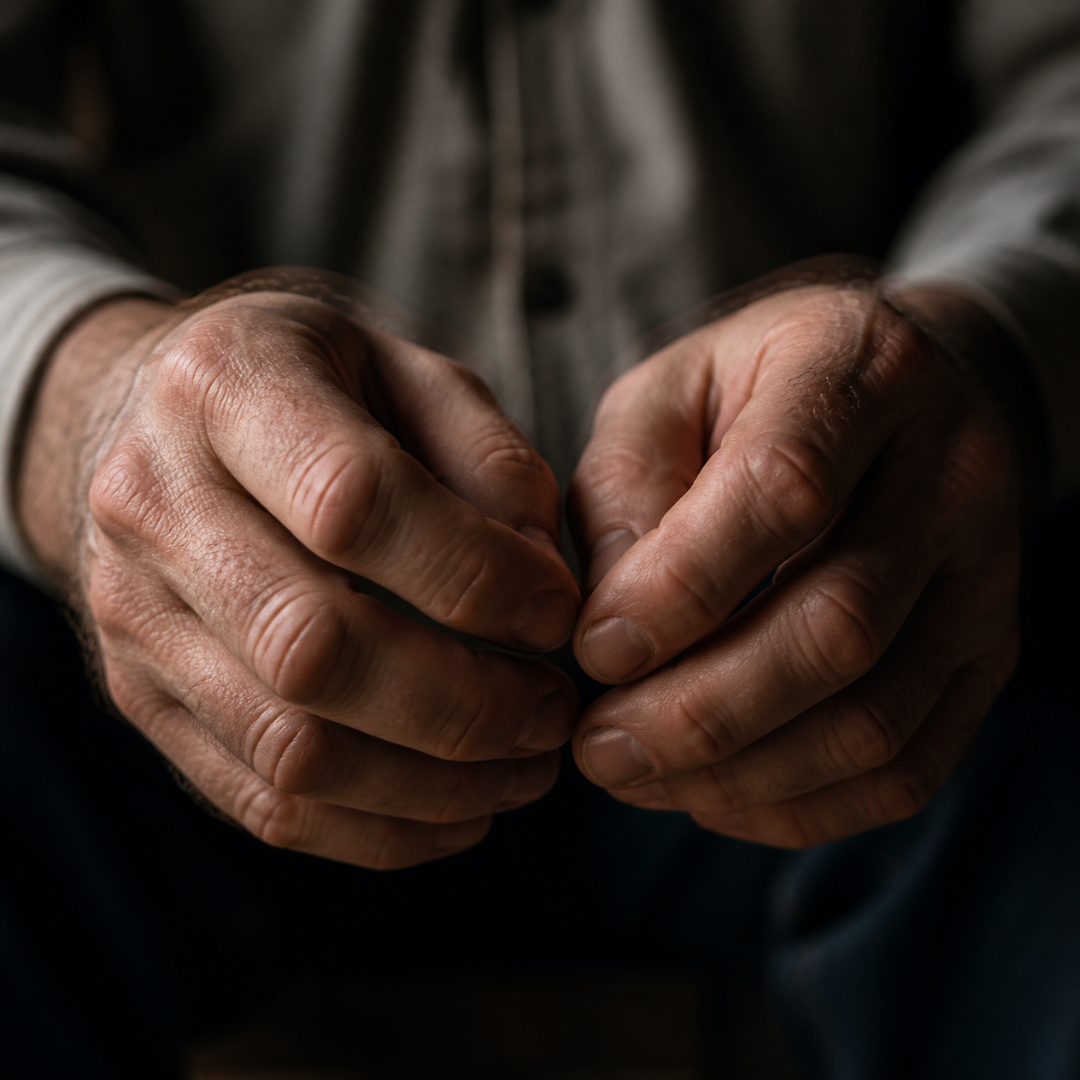
Practical ways to manage Parkinson's tremor beyond medication
November 14, 2026
 Beatrice
On 24 October 2026, movement disorder neurologist Dr Mai Vuong from the VA Northern California Health Care System took the stage at Cal Expo in Sacramento for the 30th Anniversary Annual Education Conference of the Parkinson Association of Northern California. Her talk, titled "Thriving with Tremor: Practical Strategies and Tools", tackled a reality that many people living with Parkinson's know intimately: tablets alone rarely tell the whole story when it comes to keeping shaky hands under control.
Dr Vuong began by naming what tremor actually costs in daily life. Beyond making everyday tasks like signing your name, fastening buttons, or lifting a fork frustratingly tricky, tremor is highly visible. That visibility can spark self consciousness and quietly push people towards avoiding social gatherings. Trying to hold a shaking hand still all day also drains mental energy, fuels anxiety because the shaking can feel so unpredictable, and frequently disrupts sleep.
Why Tablets Can Stop Feeling Smooth
Medication response varies enormously from one person to the next. Some people find their tremor settles nicely on a modest dose, whilst others still struggle on much higher amounts. Over time, the window of smooth symptom control, known as "on" time, tends to narrow, while "off" periods and side effects creep in. The goal is to keep dopamine levels steady throughout the day, yet slower stomach emptying and changes in swallowing can turn oral medication into a daily rollercoaster.
Smoothing Out the Day with Wearable Infusion Pumps
To bypass the stomach altogether, Dr Vuong highlighted three wearable infusion pumps approved by the US Food and Drug Administration for people experiencing motor fluctuations. Because these devices deliver a steady trickle of medication over 16 to 24 hours without passing through the digestive tract, they remove the headache of timing tablets around meals and dietary protein, and they often replace most or all oral doses.
Vyalev, a liquid form of foscarbidopa and foslevodopa known as Produodopa in the UK and Europe, runs continuously for 24 hours a day through a tiny tube placed just under the skin, with no surgery needed. Duopa, known outside the US as Duodopa, delivers a carbidopa and levodopa gel directly into the intestine for 16 waking hours through a tube placed during a minor surgical procedure. The newest addition in the US is Onapgo, a continuous under the skin apomorphine pump that earned FDA approval in February 2025 after similar apomorphine infusions had already been used in Europe and the UK for years. Like Vyalev, it requires no surgery and runs for 16 waking hours.
Dr Vuong kept expectations grounded, reminding the audience that any dopamine therapy, whether swallowed or infused, has a ceiling. Pushing doses too high can trigger side effects that outweigh the benefits, including involuntary, restless movements known as dyskinesia, hallucinations or changes in behaviour, and blood pressure swings that can drop low enough to cause dizziness or fainting.
Deep Brain Stimulation and Focused Ultrasound
When medication adjustments are not enough, procedural options can enter the conversation. Dr Vuong described deep brain stimulation as a pacemaker for the brain. A surgeon places a thin electrode into the specific area generating faulty signals and connects it under the skin to a small battery device. Clinicians can then programme and fine tune the stimulation as the condition evolves. Deep brain stimulation is reversible, adjustable, and helps ease stiffness and slowness alongside tremor, often allowing people to reduce their oral medication.
MRI guided focused ultrasound offers a newer, non surgical alternative. While a person lies inside an MRI scanner, the medical team pinpoints the target area and uses concentrated sound waves to heat and deliberately disable a tiny spot of tissue. There are no incisions and no hardware left behind, and tremor relief is rapid. Still, Dr Vuong was candid about the trade offs: the change is permanent and cannot be adjusted later, it does not stop the condition from progressing, and for some people, tremor can return after a few years.
Everyday Game Changers in Therapy and Adaptive Tools
Not everyone is a candidate for brain surgery or ultrasound, and that is where Dr Vuong's most encouraging message landed: everyone can benefit from targeted therapy and clever everyday tools.
An occupational therapist looks at your real life, asking about your hobbies, kitchen routines, and daily habits before matching you with tailored workarounds. They can teach alternative ways to grip objects, check your home for safety tweaks like grab bars, and show you how to break tiring tasks into smaller, energy saving steps.
Simple physics can transform mealtimes. Weighted cutlery with chunky grips makes it far easier to keep food on a spoon or fork, while battery powered stabilising spoons actively counteract hand movement, albeit at a higher price. Plate guards and scoop plates stop peas from fleeing off the edge, and weighted or spill proof cups take the guesswork out of drinking. Small habits help too, such as cutting food into bite sized pieces, resting your elbow firmly on the table, or using your steadier hand to support the other.
Outside the dining room, heavier pens with wide grips make handwriting less of a battle, and smartphone voice dictation lets you send texts and emails without wrestling a tiny keyboard. Magnetic or Velcro fastenings and button hooks simplify getting dressed, while jar openers, rocker knives, and grippy chopping boards keep food preparation safe. There are even mechanical hand stabilisers that dampen shaking using opposing magnets, tiny gyroscopes, or moving weights, borrowing the same engineering trick used to keep skyscrapers steady during earthquakes.
Dr Vuong also discussed the Cala kIQ wristband, an FDA cleared wearable designed specifically for action tremor, which is the shaking that happens when your hand is moving or holding a posture, such as lifting a mug, rather than resting in your lap. Using a technology called transcutaneous afferent patterned stimulation, the wristband senses the exact speed and rhythm of your tremor and sends customised, gentle electrical pulses through nerves in the wrist to interrupt the shaking signals. Most people feel it as a mild tingling sensation during a relaxed 40 minute session. In Dr Vuong's clinical experience at the VA, where eligible US veterans can access the device at no cost, those who respond well often enjoy 60 to 90 minutes of steadier hands afterwards, making it handy right before eating, working on a hobby, or tackling a fiddly project. In spring 2026, the FDA also cleared an updated version called Cala kIQ Plus with more personalised therapy modes, though researchers note it serves as an add on for temporary relief and that clinical data specifically in Parkinson's is still maturing compared with essential tremor.
Strengthening the Trunk to Steady the Branches
Physical therapy plays a surprisingly direct role in calming shaky hands. Dr Vuong compared the human body to a tree: when the trunk is sturdy, the leaves at the ends of the branches bounce around far less. Strengthening your core and shoulders gives your arms a stable base to work from, while targeted physiotherapy also relieves the muscle tightness and aching fatigue that build up from constantly fighting tremor. Amplitude training programmes such as LSVT BIG, which practise large, deliberate movements, can further help recalibrate movement control.
Regular exercise works double duty by improving motor control and lowering stress. High intensity activities like swimming, stationary cycling, or using an elliptical machine pair nicely with balance and coordination workouts such as tai chi or Rock Steady Boxing. Joining group classes adds an extra layer of motivation and social connection that is hard to replicate alone at home.
Quiet Levers and Advice for Care Partners
Everyday habits quietly dial tremor up or down. Because stress amplifies shaking, Dr Vuong suggested a simple breathing pattern: inhale for four seconds, hold for two, and exhale slowly for six. Progressive muscle relaxation and brief mindfulness pauses throughout the day can calm the nervous system in much the same way. Protecting your sleep matters too, since sleep deprivation puts extra strain on the body and makes tremor more stubborn. Cutting back on or eliminating caffeine can bring noticeable relief, and anyone taking carbidopa and levodopa may still benefit from timing protein intake away from medication doses.
Dr Vuong closed with warm, practical guidance for care partners. The best support encourages independence, offering a helping hand without quietly taking over. Allowing extra time for tasks, celebrating small wins, and practising adaptive techniques together builds confidence on both sides. Rather than trying to overhaul everything in a single week, she advised testing one new strategy at a time, keeping notes on what genuinely helps, and bringing specific everyday hurdles to clinic appointments so the care team can recommend the right tools and therapies for your goals.
As of mid November 2026, a public video recording of Dr Vuong's talk has not yet been uploaded to the Parkinson Association of Northern California YouTube channel as the organisers distribute recordings to conference registrants first before making sessions publicly available. Below we attach link to the association YouTube channel where it will be published.
Comments (0)
Loading comments...