


How Tai Chi improves motor symptoms and cellular health in Parkinson’s
August 13, 2026
 Beatrice
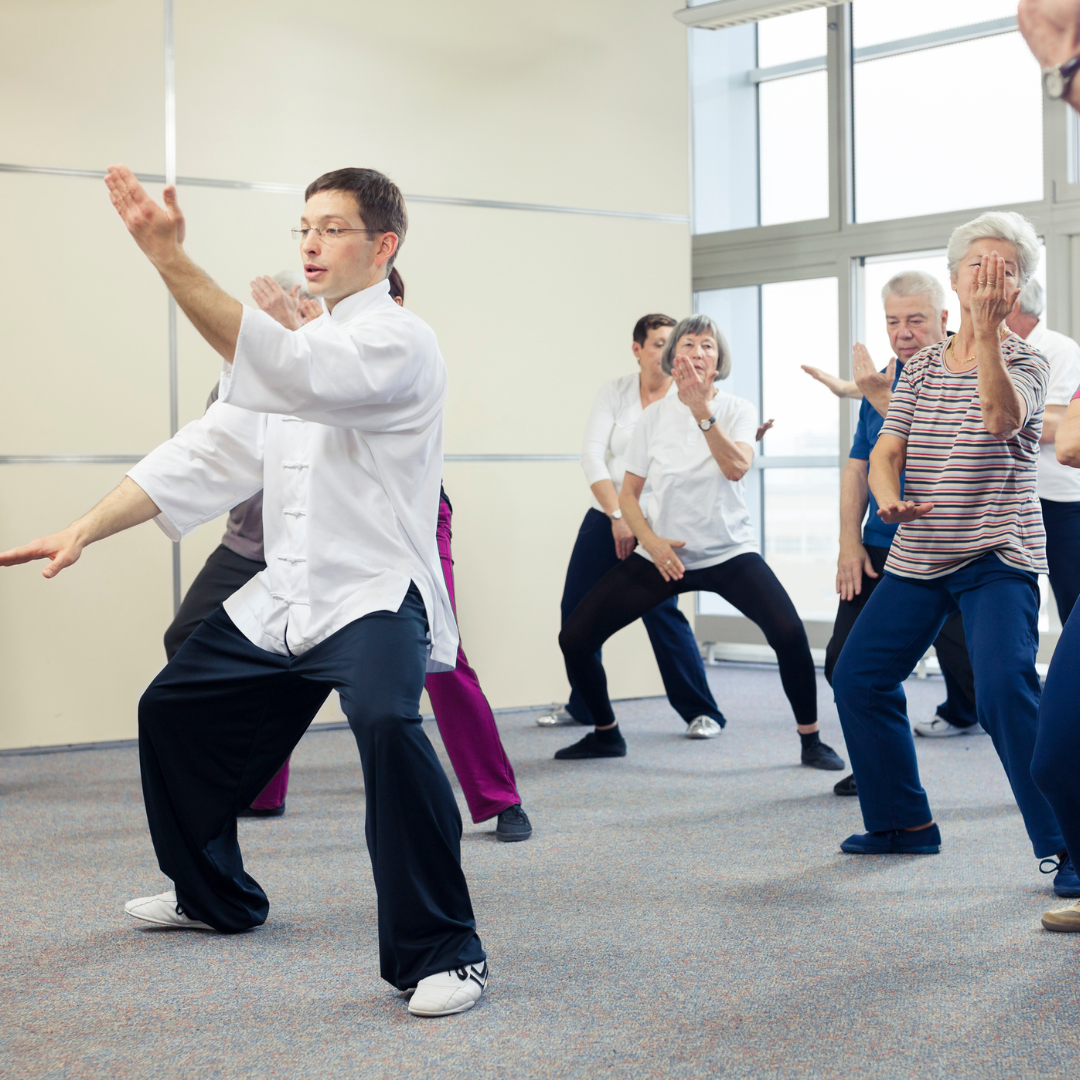
A comprehensive systematic review conducted by researchers at Southeast University and Sichuan Provincial People's Hospital has mapped out the biological and physical mechanisms that explain why Tai Chi benefits movement for people with Parkinson's. By examining data across ten clinical trials including six randomised controlled studies, the scientific team evaluated how this traditional mind body practice influences muscles, brain networks, and cellular chemistry.
At the physical level, the findings confirm that regular Tai Chi practice leads to measurable improvements in balance, postural stability, and walking ability. Biomechanical measurements show that participants achieve significantly better control over their centre of pressure, which is the point where the body distributes its weight during standing and walking. The practice strengthens key muscle groups while simultaneously reducing abnormally high muscle tone, allowing for smoother voluntary movement and reducing the risk of falling.
Beyond physical movement, the review highlights encouraging changes within brain networks. Brain imaging and neurophysiological tracking show that Tai Chi enhances functional coordination and activation within brain regions responsible for motor control. By repeatedly practicing deliberate, fluid movements that require continuous focus and spatial awareness, participants help retrain neural pathways that regulate coordination and posture.
At the microscopic level, the research team identified several metabolic and cellular processes that appear to respond to Tai Chi training. Blood samples from trial participants showed an increase in biological markers associated with dopamine pathways, alongside a regulation of inflammatory responses throughout the body. The review also noted positive shifts in chemical energy production, including enhanced activity in the tricarboxylic acid cycle, elevated adenosine levels, and modified amino acid metabolism such as increased arginine biosynthesis.
Cellular protection represents another critical area explored by the review. Practicing Tai Chi was linked to higher levels of glutathione in peripheral blood, which acts as a powerful natural antioxidant that helps neutralise oxidative stress capable of damaging nerve cells. Additionally, the practice appears to boost the activity of the ubiquitin proteasome system, which functions as the primary garbage disposal system inside cells to break down damaged or unwanted proteins.
The review authors maintain a grounded and objective stance regarding these biological discoveries. While the physical and movement improvements from Tai Chi are well established, many of the underlying molecular and neurochemical findings rely on indirect blood markers or single study results rather than direct measurements inside the central nervous system. As a result, the authors view these chemical pathways as promising hypotheses that warrant larger controlled trials with direct brain measurements to confirm how deeply Tai Chi influences cellular health in Parkinson's.
Comments (0)
Loading comments...