


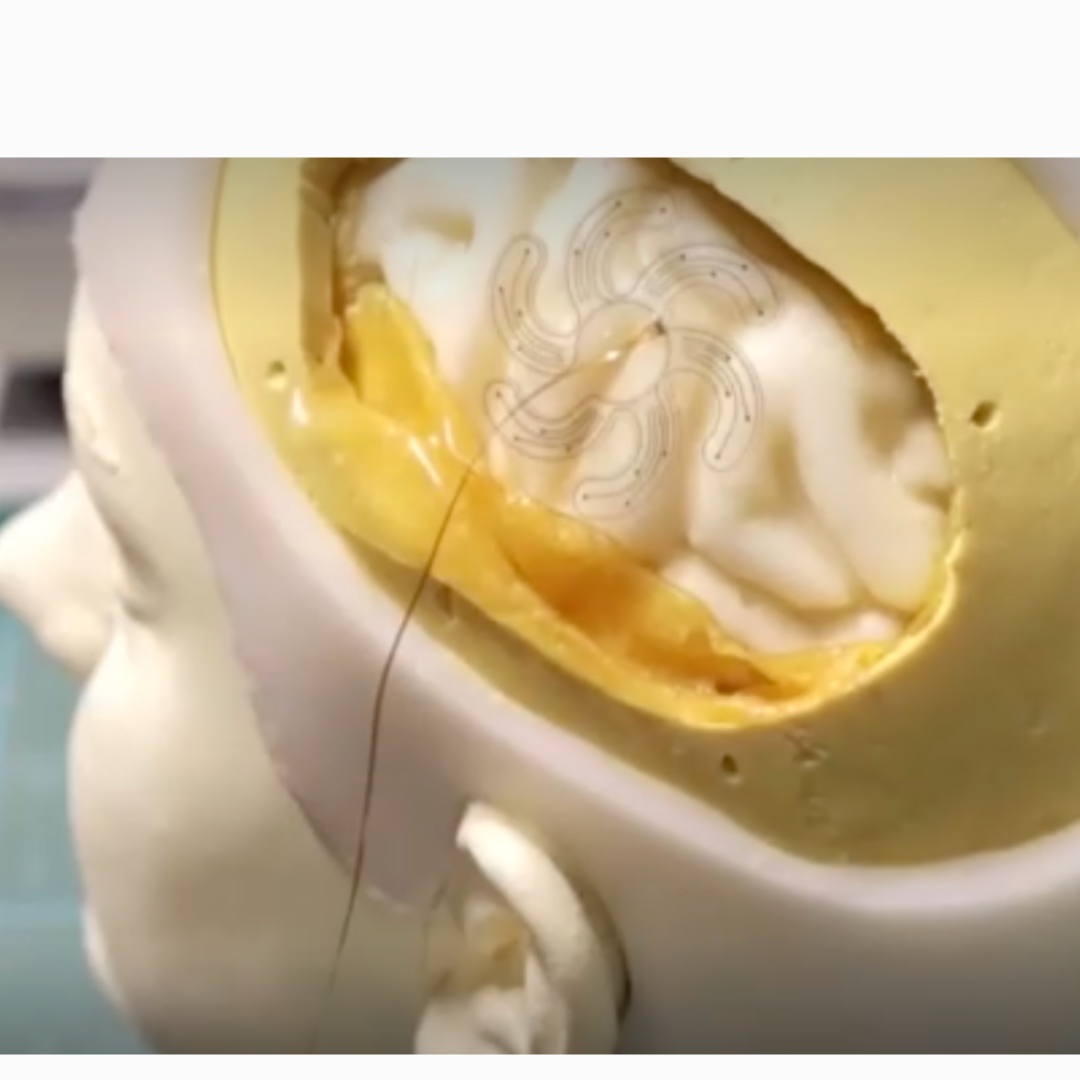
Injected 'Nanodiscs' Could Bring Brain Stimulation Therapy Without Implants
October 13, 2024
Researchers have developed tiny magnetic nanodiscs that could offer a less invasive way to perform deep brain stimulation, a treatment for conditions like Parkinson's disease and epilepsy.
These nanodiscs are extremely small—about 1/500 the width of a human hair—and would be injected directly into specific areas of the brain. Once inside, they can be activated by an external magnetic field, without the need for major brain surgery.
In lab tests on mice, the nanodiscs affected brain activity and behavior. Unlike current deep brain stimulation methods that require surgically implanted electrodes, these nanodiscs could provide a much safer alternative.
The discs work by delivering electrical pulses to neurons when exposed to a magnet, which can be turned on and off as needed. In mice, the discs successfully stimulated brain regions involved in reward and movement, including the subthalamic nucleus—a key target for treating Parkinson’s disease.
Although this technology shows promise, researchers say the nanodiscs need to be stronger to be effective in humans. Further studies are needed before they can be used in medical treatments.
Comments (0)
Loading comments...