


A Mixed Reality Experiment for Parkinson’s
October 30, 2025
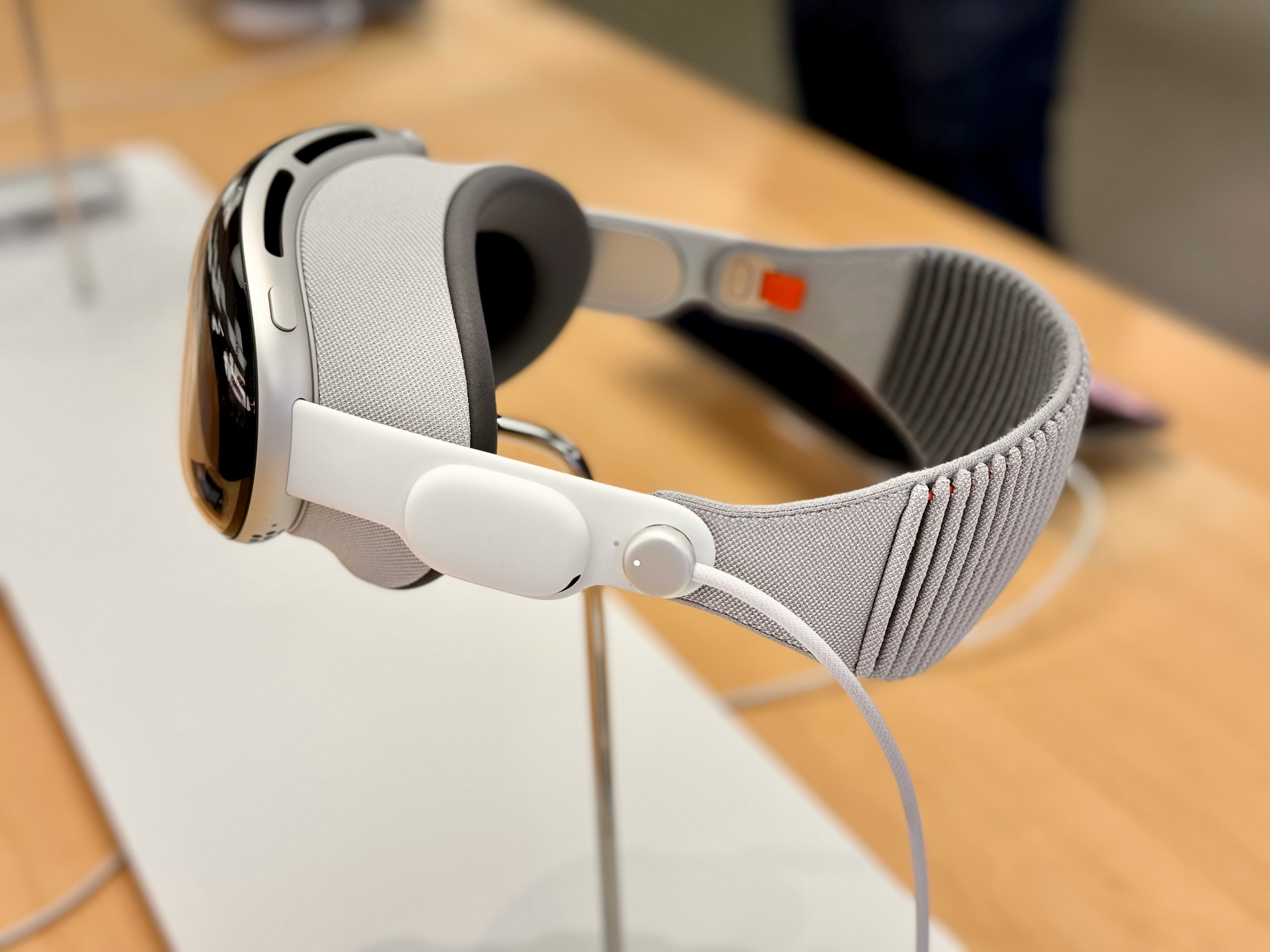
A new project from Brain Storm Studios is trying to merge science fiction and neurology. The company is building a system for the Apple Vision Pro headset that combines sound, visuals, and touch to help people with Parkinson’s “retrain” their brains. The idea is that by stimulating the brain through coordinated rhythms, lights, and vibrations, it may be possible to restore smoother communication between the brain and body—reducing stiffness, improving balance, and perhaps even lifting mood or focus.
It’s a bold idea. Most Parkinson’s technology today focuses on easing tremors or improving movement through medication, deep brain stimulation, or small wearable devices. Brain Storm’s approach is different. It aims to use immersive mixed reality—essentially a digital world layered over the real one—to help the brain relearn how to move and respond. Users would wear the Vision Pro headset, along with haptic gloves that deliver gentle vibrations and taps, creating a kind of sensory “reset” experience.
The company says it wants to build this collaboratively with doctors, engineers, and people living with Parkinson’s, using an open-source model. In theory, it could one day be used at home, letting people run brain-training sessions without visiting a clinic.
But this is where we need to slow down a little.
First, it’s important to stress that this project is still at the concept stage. It hasn’t gone through proper clinical trials, and there’s no published evidence showing that it improves symptoms in real people. The idea of retraining brain-body connections using sensory feedback is interesting, but at the moment it’s still more theory than proven therapy.
Then there’s the cost. Apple’s Vision Pro headset alone sells for several thousand dollars, and that’s before adding the custom gloves, sensors, software, and support. Even if it works well, it’s unlikely to be affordable for most people, at least at first. Similar experimental technologies tend to start as boutique products, available mainly to private buyers or research participants.
The developers have good intentions, but funding and access could become major hurdles. Commercialisation often turns exciting prototypes into expensive tools that only a few can try. It’s also unclear how comfortable and practical it would be for people with Parkinson’s to wear a headset and gloves regularly, or how much technical help would be needed to set everything up and keep it working.
Finally, effectiveness is far from guaranteed. Parkinson’s varies widely from person to person, and something that helps one user might have no effect—or even cause fatigue or frustration—for another. Without strong trial data, it’s impossible to know whether such a system would add meaningful benefit beyond what’s already available through medication, physiotherapy, or cueing exercises.
For now, Brain Storm’s system should be seen as an interesting experiment rather than a treatment. It’s great that creative minds are looking for new ways to support people with Parkinson’s, but this technology is still in its infancy. Anyone intrigued by the idea should keep expectations realistic, wait for proper testing, and continue with proven therapies.
It’s exciting to see innovation moving in this direction—towards brain-body retraining rather than symptom management alone. But until this kind of tech is tested, refined, and made affordable, it remains more of a futuristic concept than a practical tool.
Comments (0)
Loading comments...