


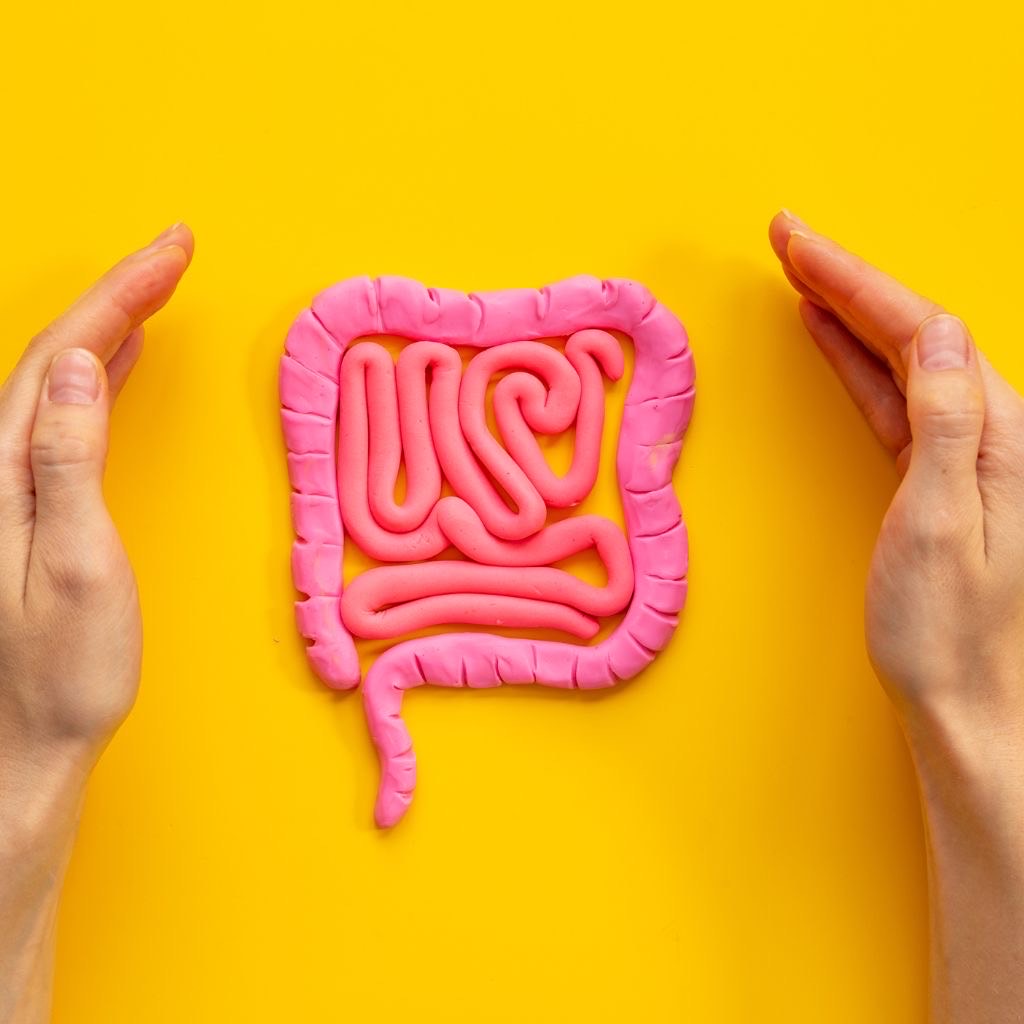
Blocking metabolizing bacteria may boost levodopa in Parkinson’s
June 17, 2024
 Beatrice Zatorska
Preventing the growth of gut bacteria that cause levodopa (L-dopa) to be broken down before it reaches the brain could help boost its therapeutic effects in Parkinson’s disease, according to recent preclinical research.
A family of molecules called mitochondrial-targeted drugs (MTDs) were found to inhibit the levodopa-metabolizing bacteria Enterococcus faecalis, thereby increasing dopamine, the brain signaling chemical that’s lacking in Parkinson’s, in the brains of mice. These molecules appeared to have some advantages over standard antibiotics, including being more able to inhibit E. faecalis and less toxic to cells.
“The benefits of L-dopa treatment of [Parkinson’s disease] in humans can be potentiated by the use of adjunctive treatments that inhibit L-dopa breakdown in the gastrointestinal tract,” the researchers wrote in “Mitigating gut microbial degradation of levodopa and enhancing brain dopamine: Implications in Parkinson’s disease,” which was published in Communications Biology.
Levodopa is the gold standard treatment for Parkinson’s disease, which is marked by the progressive loss of nerve cells that produce dopamine. The medication is a dopamine precursor molecule that can be converted into dopamine once in the body, essentially providing patients with the raw materials to make the chemical they lack.
Parkinson’s patients require dopamine mainly in the brain. Orally administered levodopa can cross over the selective membrane that protects the brain from potentially harmful substances in circulation, called the blood-brain barrier, but dopamine itself doesn’t readily do so. Ideally, levodopa will cross into the brain before being metabolized into dopamine.
There are factors in the body that can cause the conversion to happen sooner, however. This lowers the amount that ultimately reaches the brain and contributes to needing higher doses over time, which are associated with troublesome side effects. For this reason, levodopa is often combined with medications such as carbidopa that block enzymes involved in levodopa’s conversion to dopamine.
Levodopa can also be metabolized by bacteria in the gut, particularly E. faecalis. One strategy to increase levodopa’s availability in the brain is to decrease the bacteria that are accelerating its metabolism in the gut, but carbidopa isn’t very effective for inhibiting that bacterial activity.
Comments (0)
Loading comments...