


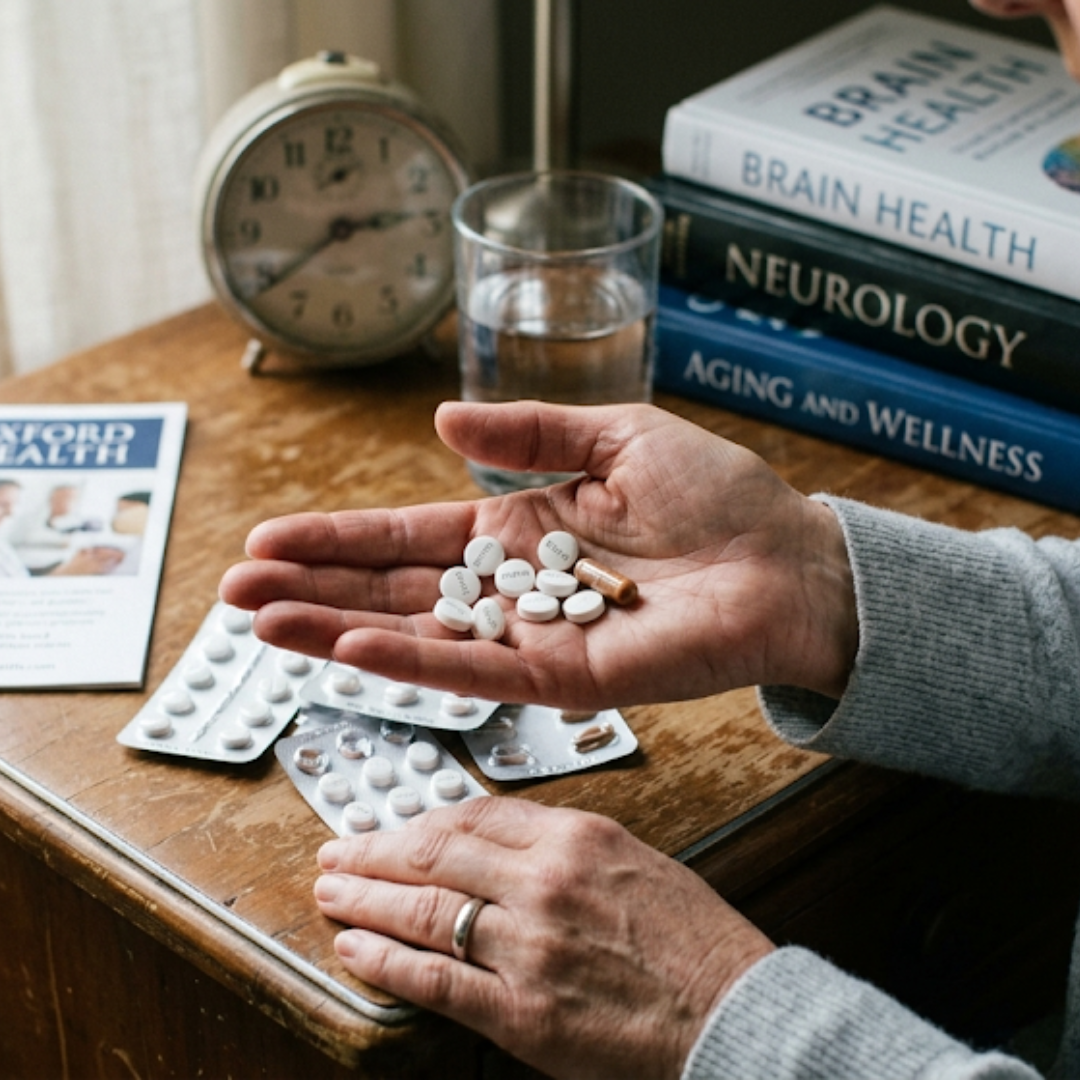
Common cholesterol lowering tablets show potential in shielding the brain from Parkinson's and Alzheimer's
June 11, 2026
Medical experts are constantly exploring how tablets we already take for one health issue might help with another. A major medical tracking review covering laboratory tests and patient data collected between 2021 and 2025 has taken a very close look at statins. These are the incredibly common tablets millions of people take daily to lower their cholesterol and protect their hearts. The review gathered all the latest evidence to see if these simple tablets could also slow down or prevent brain cell damage in conditions like Parkinson's and Alzheimer's.
When doctors look at how a tablet works, they talk about primary effects and extra effects. For statins, the primary job is blocking an enzyme in the liver to stop the body from producing too much cholesterol. However, researchers are much more excited about the extra effects of statins, which happen completely independently of cholesterol lowering. In the brain, these extra actions include turning down harmful inflammation, protecting cells from everyday wear and tear, and keeping blood vessels healthy so the brain gets enough oxygen.
The review highlights distinct ways that statins protect the brain in laboratory models of Parkinson's and Alzheimer's. In Parkinson's, a specific protein called alpha synuclein starts to misfold and clump together, which damages the brain cells responsible for smooth movement. Laboratory tests from the last four years show that statins can actively stop this protein from clumping. In Alzheimer's, different proteins called amyloid beta and tau build up and create toxic plaques and tangles that disrupt memory. The review found that statins interfere with the creation of these toxic plaques and help protect the points where brain cells talk to each other.
Another major finding in the review explains why some statins work brilliantly in the brain while others do not. The secret lies in whether the tablet dissolves in water or in fat. The brain is protected by a strict security system called the blood brain barrier, which keeps harmful substances out of our nervous system. Fat soluble statins, like simvastatin and atorvastatin, can easily slip through this security barrier to work directly on brain cells. Water soluble statins struggle to cross this line, which is why older studies often showed mixed or confusing results.
When looking at real world patient data from huge health databases, the tracking review found that people who had been taking fat soluble statins for a very long time generally had a lower risk of developing Parkinson's and Alzheimer's. For individuals who already had these conditions, long term use of the correct statins was linked to a slower decline in thinking, memory, and physical abilities.
However, the medical review notes that the picture is not entirely perfect yet. While the large population studies and laboratory tests look incredibly promising, actual human clinical trials have been small and have sometimes produced inconsistent results. The review explains that a person's response to statins is highly complex and depends heavily on their own genetic background, how long they take the medication, and their overall health.
Ultimately, the findings suggest that statins should not be seen as a simple blanket treatment for everyone. Instead, the future of this research points toward personalised medicine. Scientists are now using the detailed data from this four year review to design smarter clinical trials. The goal is to use biological markers, such as simple blood tests, to identify the exact groups of people who will benefit the most from adding these familiar heart tablets to their daily routine to protect their brains.
Comments (0)
Loading comments...