


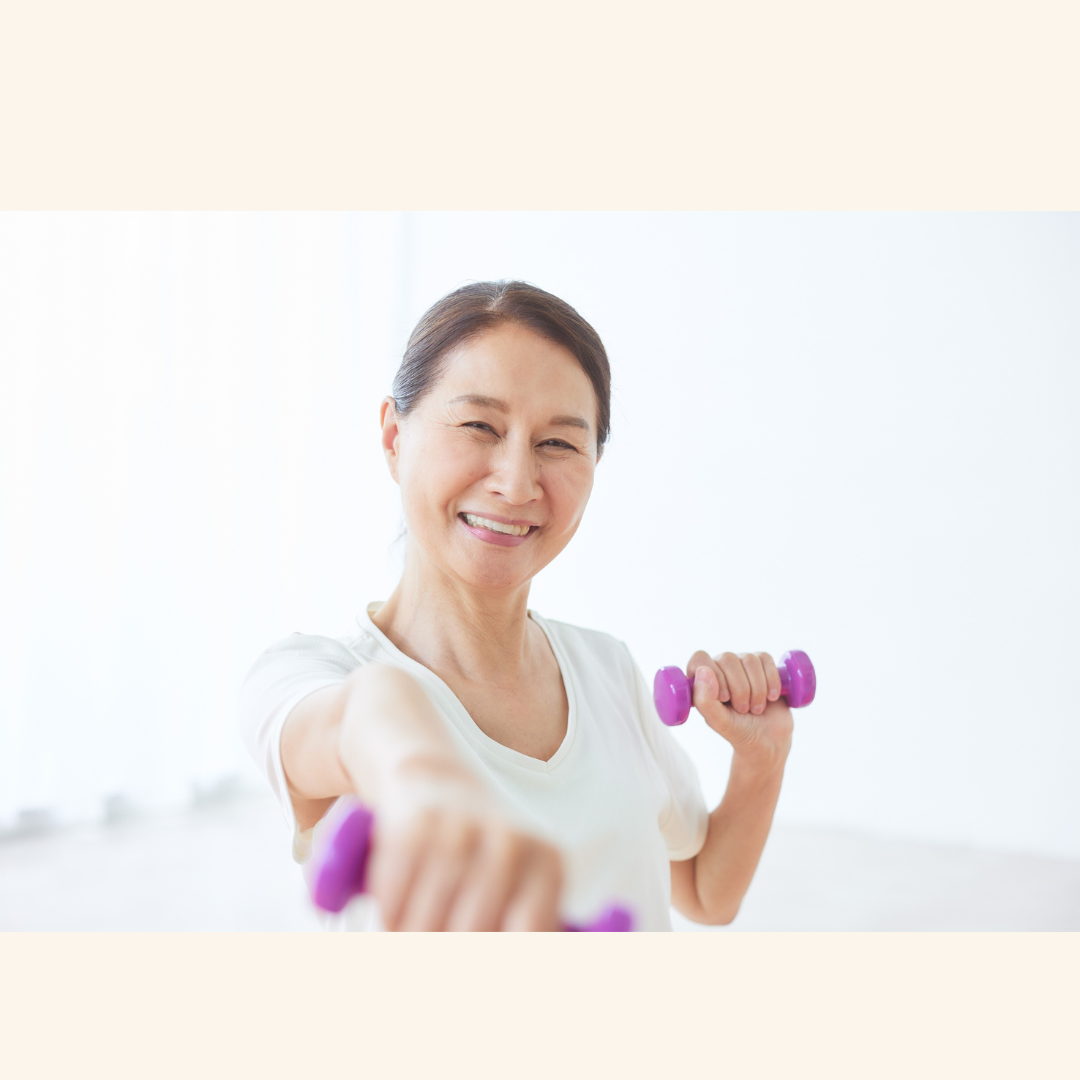
High Intensity Exercise & the Parkinson's Brain | Powerful People Interview with Sule Tinaz, MD, PhD
October 7, 2025
 mister green
 Sule Tinaz, MD, PhD, kicks off Parkinson's Awareness Month in our Powerful People series. She sits down with our Executive Director, Dr. Nina Mosier, to discuss the impact of high-intensity exercise on the brains (and lives!) of people with Parkinson’s.
A movement disorder specialist at Yale University has shared early but striking results from a small pilot study of people with Parkinson’s who took part in regular high intensity exercise. The goal was not only to see whether classes help symptoms day to day, but to test a bigger question that matters to every family living with Parkinson’s. Can consistent, demanding exercise help protect dopamine producing brain cells.
The study followed ten people with early and mild Parkinson’s. Classes were delivered online during the pandemic through a programme that uses whole body interval training. Participants trained three times a week for six months with a coach. They wore chest strap sensors so the team could watch heart rate in real time and make sure the effort reached a high intensity. Before and after the programme, everyone had clinical assessments and specialised brain scans.
Two kinds of brain imaging were used. One MRI sequence measured the signal from neuromelanin, a pigment that builds up inside dopamine producing cells in a region called the substantia nigra. The other was a PET scan that measures the dopamine transporter, a protein on the surface of these cells and their connections. After six months, both signals were higher on average, especially in the substantia nigra and also in the brain regions that receive dopamine projections. To the research team this looked like a meaningful move in the right direction. In natural history studies of similar patients, these signals usually decline over time. Seeing them rise was a surprise.
It is important to be cautious. This was a proof of concept without a control group, and the numbers were small. The comparison was each person against their own baseline, so the results need to be confirmed in a larger randomised trial. Even so, the findings are consistent with what animal studies have shown for years. Intense aerobic work can dampen inflammation, improve blood supply in the brain, and raise levels of growth factors that nourish neurons. Put together, these changes may support vulnerable dopamine cells rather than simply helping the body work around them.
The team set intensity by aiming for at least eighty percent of age predicted maximum heart rate, but they also stressed a simple rule for home use. Work hard enough that you are panting and can speak only a couple of words at a time. That can be a better guide for many people with Parkinson’s because the disease can blunt the heart rate response. Safety comes first. Anyone considering harder training should speak with a clinician, especially if there are heart concerns or joint problems. Group classes can help people push themselves safely and stick with the routine, and seated options are valuable for those who need them.
The practical tips that came out of the discussion were down to earth. Hydrate well before and after exercise, particularly if you have low blood pressure on standing. Time Parkinson’s medication so you are on at the start of class. Some people, with advice from their neurologist, take a small extra dose before a very demanding session so they can move better and get more from the work. If high intensity is not possible, do what you can and do it often. There is growing evidence that exercise volume across the week matters. Daily moderate sessions can beat one or two hard bursts separated by long stretches of sitting.
Beyond movement scores, the benefits that people notice are real. Better mobility and balance. More energy. Improved sleep and mood. A sense of control that psychologists call self efficacy. Many clinicians see that people who keep up regular exercise often delay the need to increase medication, sometimes for years. It does not turn back time, but it can add months or years with fewer disabilities, which is a meaningful gain.
The Yale team now aims to run a larger, controlled study that repeats the brain scans and also tracks thinking and memory. They are also planning work on how to get effective exercise to more people by understanding barriers and enablers, from access and cost to coaching and social support. Detecting people at risk even earlier is another frontier. Some features such as acting out dreams can appear years before visible tremor or stiffness. If those people can be identified, exercise may have potential as a preventive strategy, though that will take careful studies to prove.
For now the message is simple. Medication is vital for symptom control. Exercise works alongside it and may reach deeper, touching many biological pathways at once. It is never too early to start and never too late to gain. Choose something you enjoy, do it often, and, if you can, do it hard enough to breathe deeply and feel challenged. Exercise is medicine.
Comments (0)
Loading comments...