


How Parkinson’s Changes the Body’s Energy Production
February 14, 2026
For many people living with the condition, unexplained weight loss and a decrease in body fat occur long before any changes in appetite or diet. A new study published in the Journal of Neurology, Neurosurgery & Psychiatry (JNNP) explains why: Parkinson’s appears to trigger a fundamental shift in how the body produces and consumes energy.
The Metabolic Switch
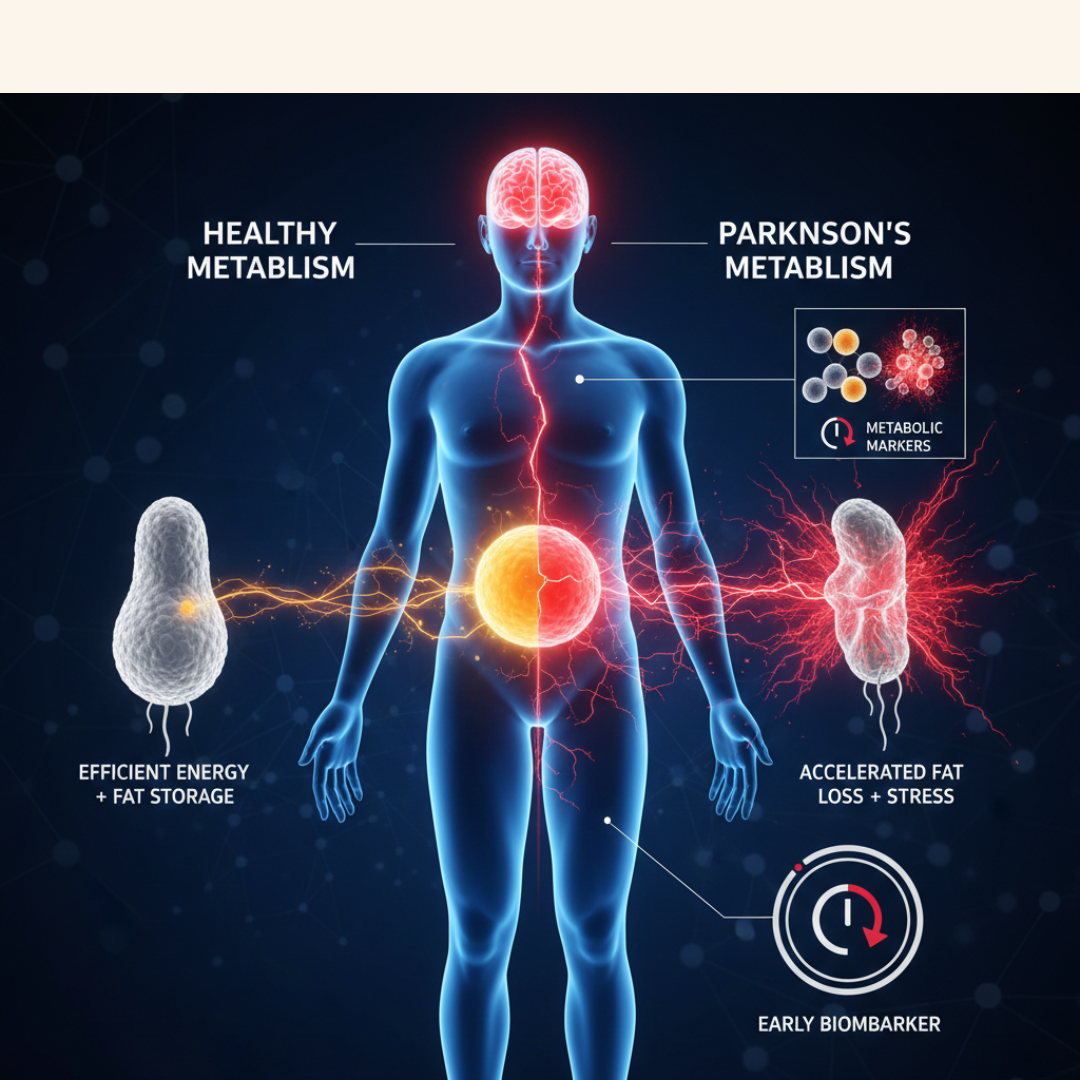
Research led by the University of Oulu and the University of Turku has uncovered that the body’s metabolism begins to change in the early stages of the condition. Essentially, the body switches its "fuel source," moving away from traditional energy production and instead breaking down fat stores at an accelerated rate.
Key Findings from the Research:
Accelerated Fat Loss: The study found that people with the condition often experience a significant reduction in body fat mass. This isn't necessarily due to eating less, but rather a change in how the body’s "internal engine" operates.
Metabolic Markers: Researchers identified specific metabolites in the blood that are linked to this weight loss. These markers show that the body is under metabolic stress, forcing it to find energy in ways that lead to the depletion of fat tissues.
Energy Inefficiency: The cells appear to become less efficient at producing energy, requiring the body to work harder and burn more fuel just to maintain basic functions.
Why Weight Loss Matters
This shift in energy production is more than just a change in appearance; it provides vital clues about the progression of the condition.
A New Biomarker: Because these metabolic changes often happen early, tracking fat loss and specific blood metabolites could serve as a "digital biomarker." This may help clinicians monitor the condition more accurately and intervene sooner.
Predicting Outcomes: The study suggests that the rate of fat loss may be linked to the future severity of symptoms. Understanding a person's metabolic profile could help predict how the condition will evolve over time.
Targeted Nutrition: Recognising that the body is in a "hyper-metabolic" state allows for better nutritional support. Instead of a general diet, people may need specific caloric or nutrient-dense plans to counteract this hidden energy drain.
Moving Beyond the Brain
This research reinforces the growing understanding that Parkinson’s is a systemic condition affecting the whole body's chemistry, not just a specific region of the brain. By uncovering these hidden shifts in energy production, scientists are moving closer to treatments that address the metabolic health of the person, potentially slowing the overall impact of the condition.
Comments (0)
Loading comments...