


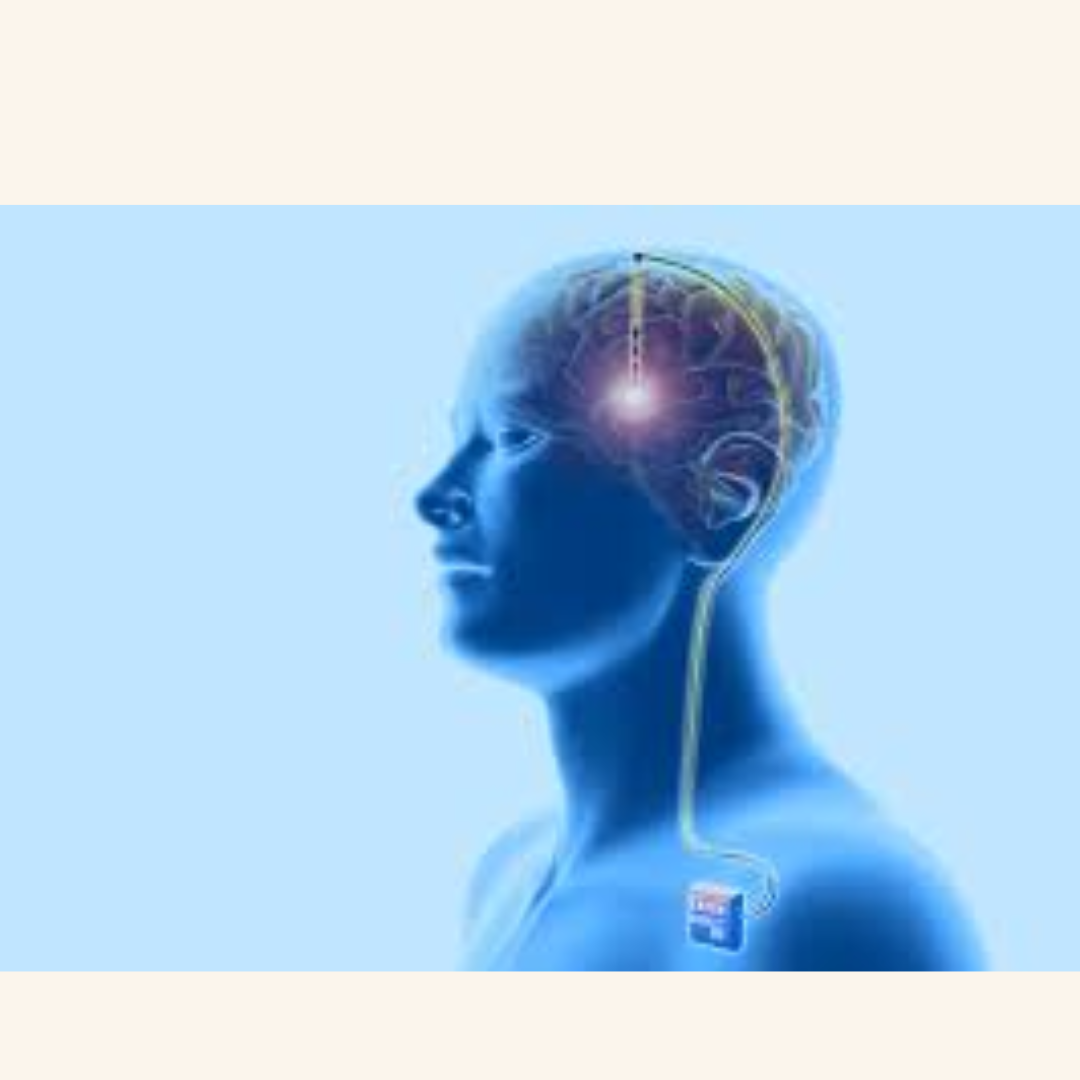
Deep-brain stimulation in GBA1-linked Parkinson’s: what the study found
October 24, 2025
When people with Parkinson’s disease carry a particular gene variant called GBA1, their disease often behaves differently: faster progression of cognitive problems and more non-motor symptoms. Until now, there has been concern that using deep brain stimulation (DBS)—a surgical therapy that stimulates certain brain regions to control movement symptoms—might accelerate cognitive decline in GBA1-linked Parkinson’s. The new multi-centre Italian study set out to examine this very issue. The researchers included 615 participants divided into three groups: 430 people with Parkinson’s without the GBA1 variant who received DBS, 109 people with the GBA1 variant who received DBS, and 76 people with the GBA1 variant who met criteria for DBS but did not undergo the surgery. At baseline the groups were broadly similar in age and clinical features (for example, the DBS-nonGBA group averaged 57.4 years old; the DBS-GBA group averaged 53.5 years). Over the follow-up period (up to 5 years when data allowed), both DBS groups—GBA1 and non-GBA1—experienced substantial improvements in their motor complications (such as dyskinesias, wearing-off and on-off fluctuations). In contrast, the non-DBS GBA1 group saw no comparable motor benefit. Importantly, when the researchers looked at cognitive outcomes and other non-motor issues, they found that dementia by five years occurred much more often in people with the GBA1 variant whether they had had DBS or not (36.8% in DBS-GBA1, 25.5% in non-DBS-GBA1) compared with 10.8% in the DBS-nonGBA1 group. Hallucinations and urinary problems also increased more in the GBA1 groups, regardless of DBS. Crucially, the analysis suggests that the accelerated cognitive decline in GBA1-linked Parkinson’s is likely driven by the gene variant itself, not by the DBS procedure. In other words, DBS did not appear to worsen cognitive outcomes simply because a person carried the GBA1 variant. The authors conclude that DBS remains a valid option for people with GBA1-associated Parkinson’s when the motor problems justify it, but that clinicians and patients should be aware that the underlying genetic risk still impacts long-term cognitive and non-motor progression.
Why this matters for people with Parkinson’s and families
What this study gives us is greater clarity. For someone with Parkinson’s who carries a GBA1 variant, the decision to have DBS can now be made with one less unknown: the surgery itself does not seem to trigger extra cognitive decline beyond what the gene variant already predisposes. That means motor benefits—improved quality of life, reduced fluctuations, less medication burden—remain on the table. At the same time, the study emphasises that the gene variant still carries risk of faster cognitive decline and non-motor complications. So the choice to proceed with DBS should include a realistic discussion of both motor benefits and non-motor outlook. Because DBS is not just about tremors and slowness: it has to be embedded within the broader context of the individual’s disease profile, genetics, non-motor symptoms, support system and goals for life. For families and carers, the message is one of cautious optimism: yes, DBS remains a tool you can consider, but it doesn’t eliminate the extra risks brought by the genetic variant. Monitoring, supportive therapies (cognitive, mood, urinary, hallucination vigilance) remain essential.
Comments (0)
Loading comments...