


Better Sleep, Better Living: How a Subcutaneous Levodopa Pump is Boosting Life with Parkinson’s
June 30, 2025
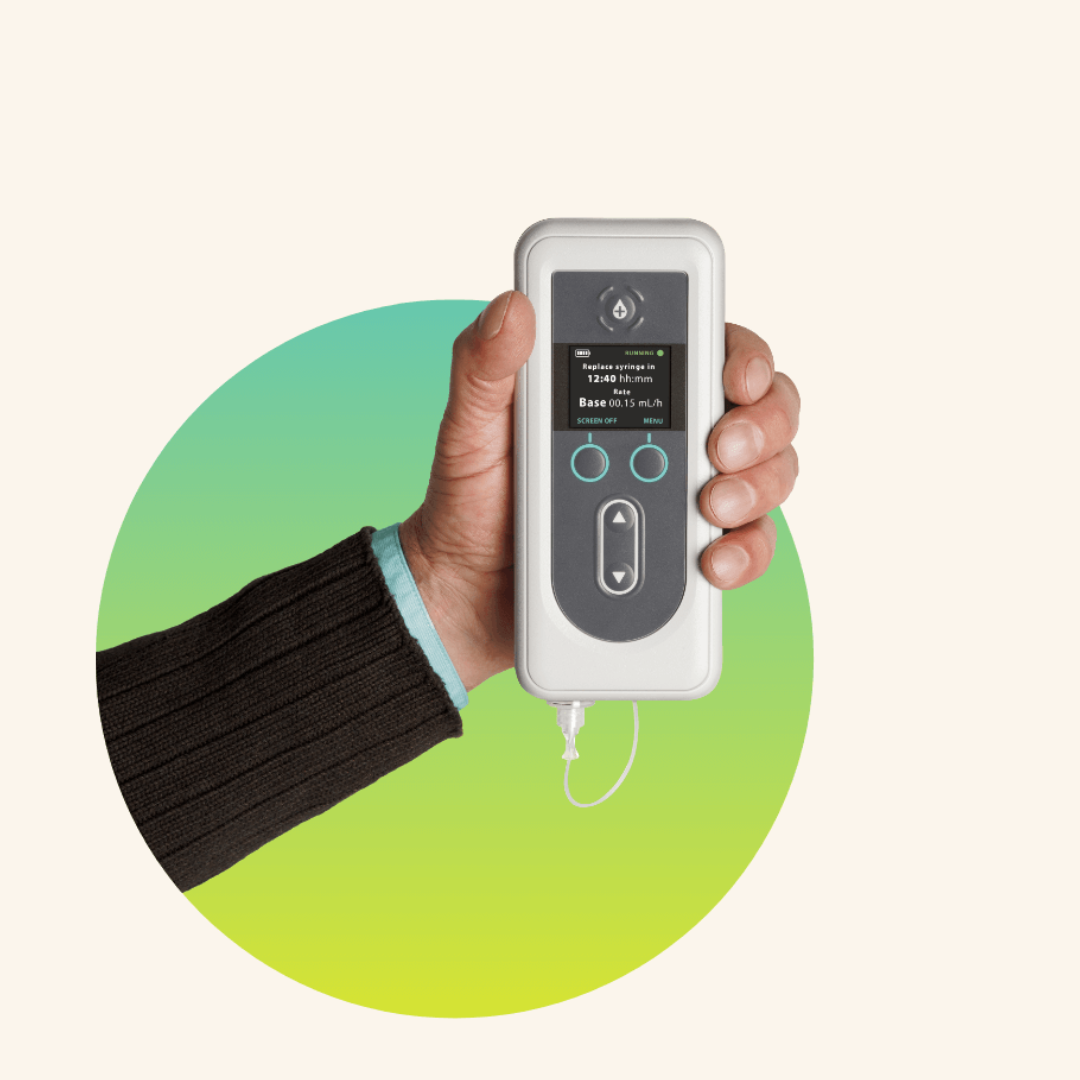
Parkinson’s disease affects both movement and sleep, often leaving people feeling physically slower and mentally tired. A new 12-week study reveals how a 24-hour continuous infusion of a levodopa prodrug (foslevodopa/foscarbidopa) can help manage these issues—bringing real improvements in sleep, daily living, and quality of life.
What Was Tested?
Researchers compared two treatments over 12 weeks:
A small wearable pump delivering a steady dose of foslevodopa/foscarbidopa under the skin (known by its brand name Vyalev).
Standard oral levodopa/carbidopa tablets (immediate-release form).
They monitored:
Sleep quality using the PD Sleep Scale-2
Daily living comfort via the MDS-UPDRS Part II
Overall wellbeing using a Parkinson’s-specific quality-of-life questionnaire (PDQ-39)
Sleep Was the Big Winner
At the end of the study:
73% of people using the pump reported real, meaningful sleep improvement, compared to 42% on oral tablets
thelancet.com
Sleep improvements were strongly linked to feeling better overall and being more active in daily life .
More "On" Time and Less "Off"
“On time” refers to how many hours a day medication keeps symptoms under control. The pump added almost three extra on-hours per day, compared to just one extra with tablets .
That means more time moving, working, or doing the things you care about.
Quality and Confidence Improved
Better sleep wasn’t the only benefit. The pump also significantly improved:
Mobility
Everyday tasks
Managing symptoms
Communication
Overall comfort
Why Does This Work?
Oral levodopa can cause highs and lows in drug levels, leading to “off times” when it wears off and extra involuntary movement. The continuous pump delivers steady medication, avoiding these dips. This helps both sleep consistency and daytime control .
Side‑Effects to Know
Like any treatment, the pump isn’t perfect:
Skin reactions (redness or irritation where the needle sits)
Possible hallucinations or overstimulation movements
These were usually mild, and only about 5% of people stopped using the pump because of side-effects .
Long‑Term Impact
A longer 52-week follow-up suggests the benefits—reduced off-times and better daily life—continue over a year . However, more long-term data are being collected to confirm this.
What the Numbers Say
Sleep improvement: 73% of pump users vs 42% with tablets
Daily “good” on-time: +2.7 hrs (pump) vs +1 hr (tablets)
Quality-of-life & activity scores: Strongly tied to sleep gains
In Plain English
If you or someone you know has Parkinson’s and is dealing with fluctuating symptoms and poor sleep issues, this pump could offer a steadier, gentler way of living better—with less need for surgery and fewer medicine spikes and dips. While there can be minor side-effects, the overall leap in sleep quality and daily functioning is promising.
The Bottom Line
A steady afternoon-and-night dose of levodopa via pump could help smooth out the rollercoaster of Parkinson’s symptoms. Think better sleep, more active days, and fewer medication "off" moments. Early results look great—now it’s time to watch this space for how it continues to perform long-term.
Comments (0)
Loading comments...