


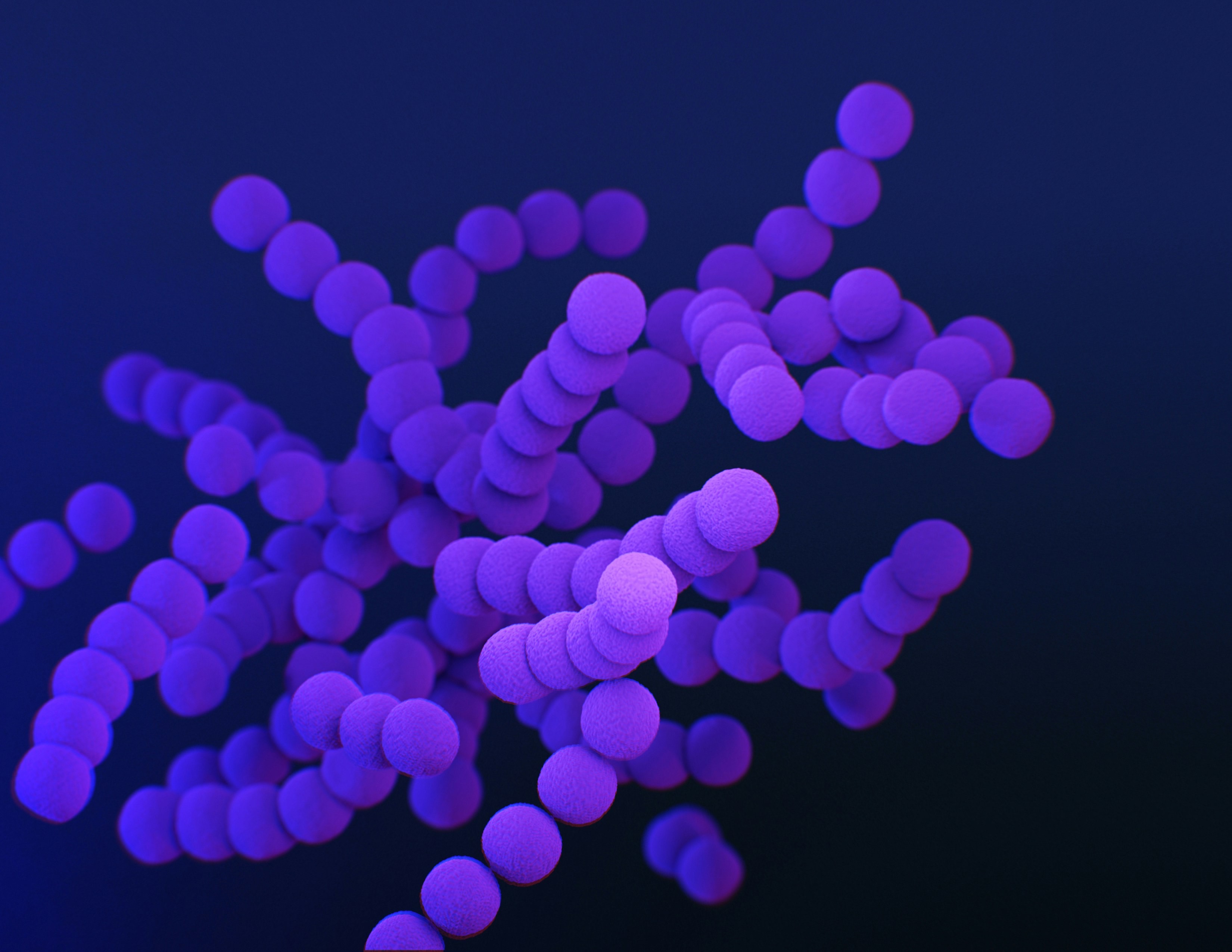
Gut bacteria could guard against Parkinson’s
April 21, 2023
Recent research indicates that a probiotic bacterium can potentially slow down, and even reverse, the accumulation of a protein linked to Parkinson's disease, thus promoting digestive health.
Scientists from the Universities of Edinburgh and Dundee have identified Bacillus subtilis as a probiotic that can prevent the build-up of alpha-synuclein protein, which forms toxic clumps associated with the loss of dopamine in Parkinson's patients. Not only can Bacillus subtilis protect against this build-up, but it can also clear some of the formed protein clumps, according to research conducted on roundworms.
The study builds on prior research on the connection between gut bacteria and brain function, with previous findings suggesting that changes in the gut microbiome can initiate Parkinson's disease and exacerbate certain symptoms. These new findings could lead to further investigations into the effect of probiotic supplements on Parkinson's disease. Parkinson's UK co-funded the research, and Dr Beckie Port, a research manager at the organisation, remarked that beneficial bacteria that protect against Parkinson's disease could improve symptoms and even prevent the development of the condition in some cases. However, additional research is necessary to investigate the effectiveness of Bacillus subtilis in treating Parkinson's disease symptoms.
Dr Maria Doitsidou, lead researcher from the Centre for Discovery Brain Sciences at the University of Edinburgh, stated that the results provide an opportunity to study how changes in gut microbiome could affect Parkinson's disease. The next steps are to confirm the findings in mice and conduct clinical trials. Until then, individuals interested in improving their gut health should seek advice from a qualified health professional or specialist before making any changes to their medication, diet, or supplement intake.
Comments (0)
Loading comments...