


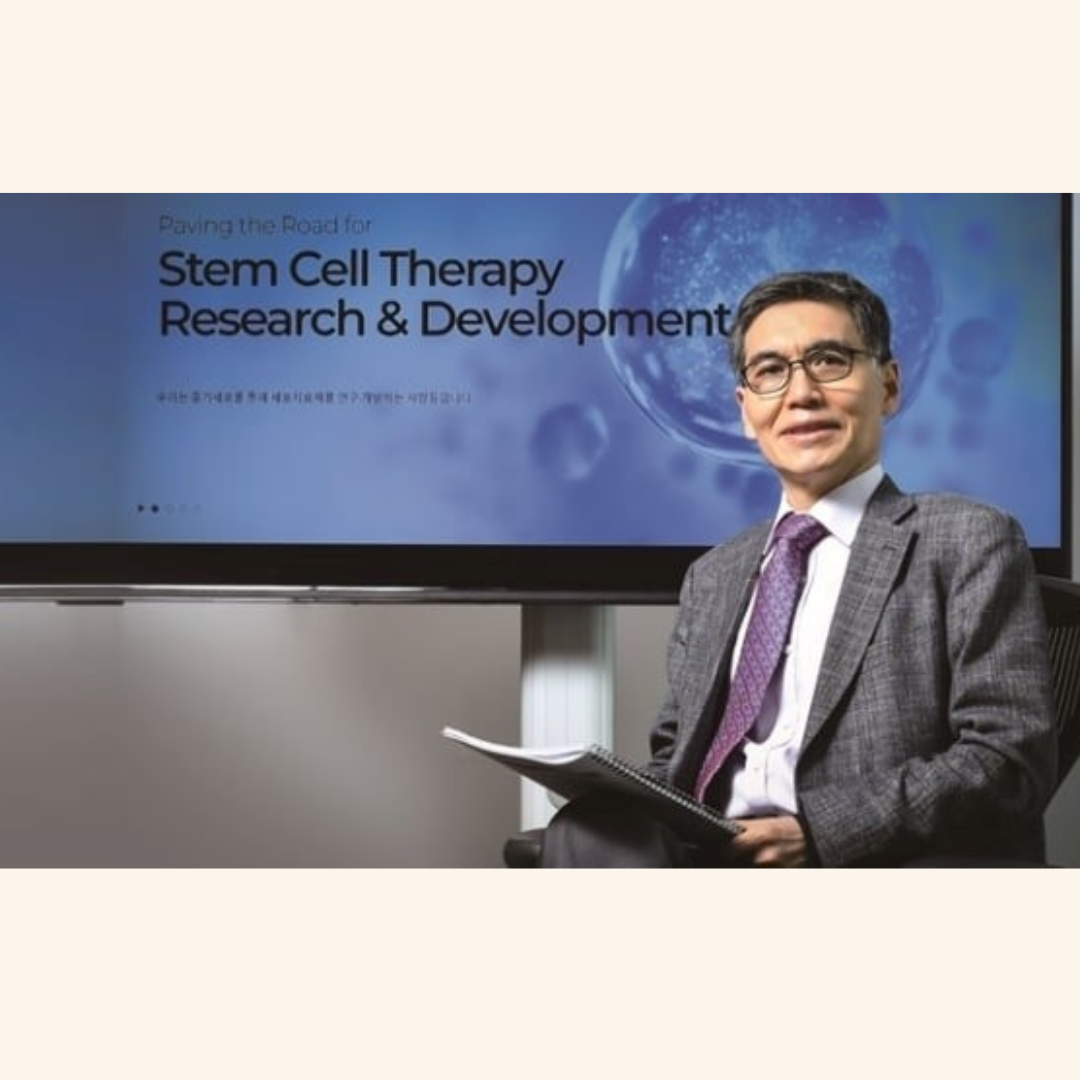
New Stem Cell Therapy for Parkinson’s Shows Promise in Early Trial
July 23, 2025
 mister green
A South Korean company, S.BIOMEDICS, has released exciting early results from its Phase 1/2a clinical trial of a new stem-cell therapy for Parkinson’s disease, called A9‑DPC (also known as TED‑A9). This small trial involved 12 participants, all diagnosed with Parkinson’s for over five years and experiencing complications like freezing of gait, wearing-off, or dyskinesia.
What exactly was done?
Participants received transplants of dopamine-producing cells derived from human embryonic stem cells, injected into their brains.
Two dose levels were tested: 3.15 million cells (“low dose”) and 6.30 million cells (“high dose”).
After one year, no serious safety issues were reported—no tumors, inflammation, or abnormal cell migration were observed.
What were the results?
Motor symptoms (movement-related difficulties) improved noticeably:
On a standard Parkinson’s motor rating scale (MDS‑UPDRS Part III), scores dropped by 12.7 points (low dose) and 15.5 points (high dose).
Total symptom scores fell by 29.0–34.7 points
Disease severity (Hoehn & Yahr stage) improved on average:
From ~3.7 to 2.7 with low dose, and 2.2 with high dose
Non-motor symptoms (mood, daily living, etc.) also improved by 30-35 points on standard scales.
Brain imaging (DAT-PET scans) showed increased dopamine transporter activity—indicating new dopamine cells were surviving and functioning.
Why this matters:
Parkinson’s disease is caused by the loss of dopamine-producing brain cells. Most treatments today only ease symptoms, but this therapy aims to replace lost cells—potentially altering the disease’s course, not just masking it.
What’s next?
These are early-phase results (Phase 1/2a) with just 12 participants. While promising, larger, controlled trials are needed to confirm benefits.
The 12-month safety data is encouraging. Participants will be followed for at least two years—and monitored for long-term safety up to five years.
S.BIOMEDICS is preparing a US regulatory application (IND) to begin trials there usually sometime in 2025
Comments (0)
Loading comments...