


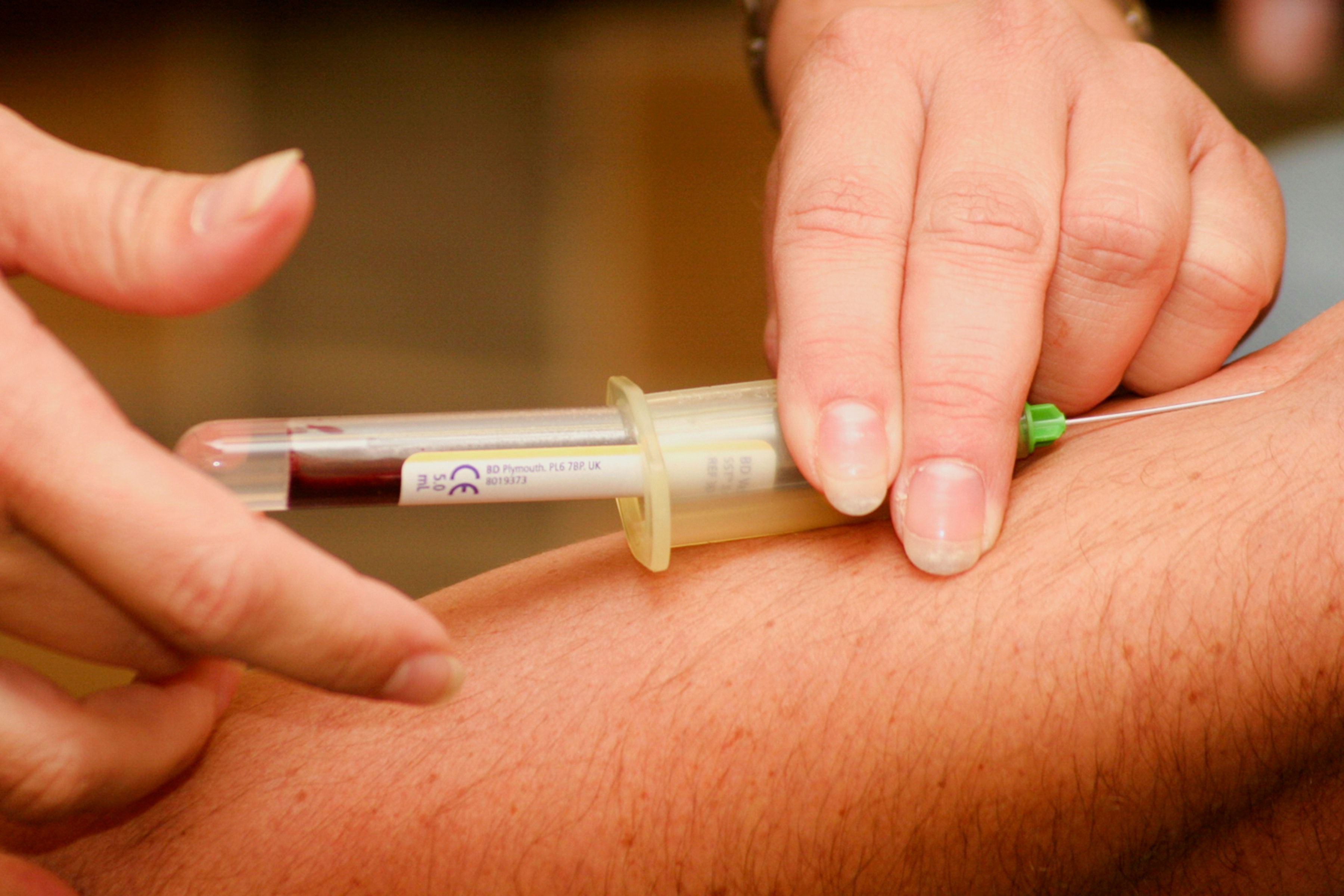
Blood Test to Detect Alpha-Synuclein Protein Could Revolutionize Parkinson's Disease Diagnostics
July 23, 2024
 LeahJS
Research published in the Journal of Parkinson's Disease highlights promising developments in diagnosing Parkinson's disease (PD) through a less invasive blood test. Traditionally, PD is diagnosed clinically and often late in its progression, but there is a growing need for an objective biomarker.
The study, led by Annika Kluge, MD, and Eva Schaeffer, MD, from the University Hospital Schleswig-Holstein and Kiel University in Germany, demonstrates that detecting the alpha-synuclein protein in blood could serve as a viable diagnostic tool. This protein, which accumulates in nerve cells, has previously been identified in cerebrospinal fluid and skin tissue of PD patients.
The researchers' new approach involves isolating alpha-synuclein from neuronal exosomes in the blood and using a seed amplification assay (SAA) to measure its presence.
In their study, blood samples from 80 PD patients and age- and gender-matched healthy controls were analyzed. The results showed that 79 out of 80 PD patients had detectable alpha-synuclein seeding, while none of the controls tested positive, indicating high sensitivity of the blood test for PD. Additionally, longer disease duration correlated with lower alpha-synuclein seeding activity, though further research is needed to understand these changes over time.
The researchers stress the importance of validating these results in different laboratories and considering their implications for early diagnosis and potential antibody-based treatments.
Comments (0)
Loading comments...