


From Lab Discovery to Patient Trials: How Smarter Brain Stimulation Could Transform Parkinson’s Treatment
October 2, 2025
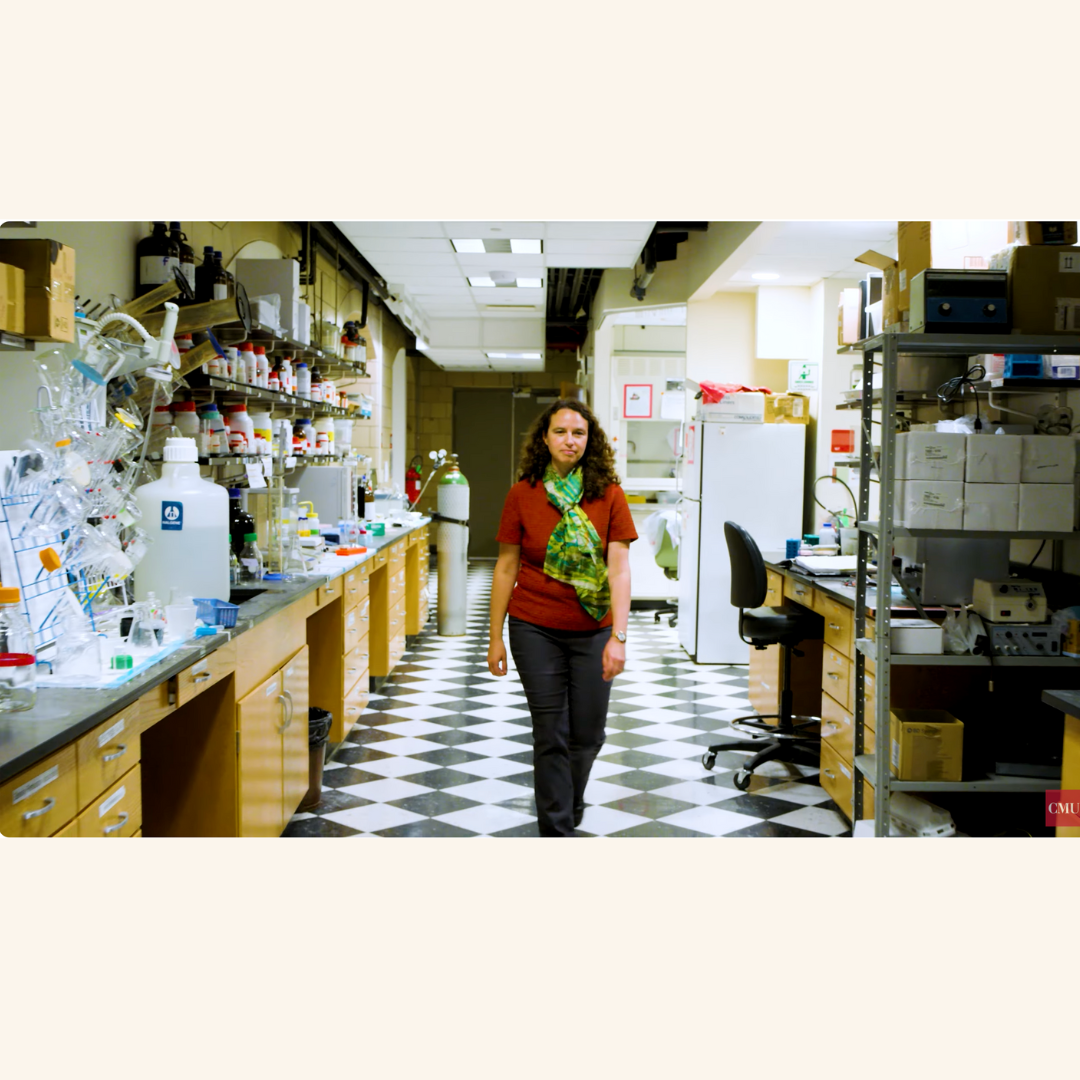
At Carnegie Mellon University, neuroscientist Aryn Gittis and her team have spent over a decade unravelling how specific brain circuits control movement. Their work has now reached a milestone: a new form of deep brain stimulation (DBS) designed to work with the brain’s natural wiring, not against it. For people with Parkinson’s disease, this could mean longer-lasting relief and fewer side effects.
Why Parkinson’s is difficult to manage
Parkinson’s disease begins when dopamine-producing brain cells die. Dopamine acts as a messenger that coordinates movement. Without it, signals in the brain misfire, leading to tremor, stiffness, slowness and poor balance.
Medications like levodopa replace dopamine temporarily, while DBS uses implanted electrodes to stabilise faulty signals. Standard DBS can make a big difference, but its effects stop when the stimulation stops, and because it targets whole regions at once, it cannot fine-tune its effect on different types of brain cells.
The discovery: two groups of neurons, two approaches
Gittis’s lab discovered that within the basal ganglia — the brain’s movement hub — two groups of neurons behave very differently in Parkinson’s. To restore balance, one group needs to be activated while the other needs to be quietened. Standard DBS cannot separate these responses, but burst stimulation, a patterned approach developed by the team, can.
By sending carefully timed bursts, the stimulation strengthens the helpful signals while dampening the harmful ones. This precision matches how the brain naturally routes its signals, meaning the therapy feels less like forcing the brain and more like resetting it.
From theory to operating room
Later this year, a clinical trial at the University of Texas Southwestern will put this strategy to the test in people with Parkinson’s. Early operating room results are encouraging: shorter stimulation times, fewer side effects and brain activity shifting toward a healthier pattern. The hope is that the effects will last longer than current DBS and move beyond symptom control toward restoring more normal brain function.
Ten years in the making
This advance is the result of years of persistence. Early on, many doubted the importance of the circuits being studied, and funding was hard to secure. But by combining traditional neuroscience with computational modelling and mathematics, Gittis’s team proved their ideas and built a framework that could now change patient care.
Her lab also focused on mentoring and collaboration, encouraging young researchers to take risks and learn from failure. That culture allowed the work to keep moving forward through setbacks.
What’s next
Important questions remain. Why do lasting benefits appear most clearly in advanced Parkinson’s? Which other brain regions might need to be engaged for full recovery? And how should surgeons decide which patients will benefit most from burst stimulation?
The research is ongoing, but this is more than an incremental tweak to DBS. It’s a fundamentally smarter way of working with the brain. If trials confirm its promise, it could mark a turning point in how Parkinson’s is treated — not just masking symptoms, but nudging the brain back toward healthier function.
Comments (0)
Loading comments...