


Kenai Therapeutics Expands Research at Lilly Gateway Labs to Advance Parkinson’s Neuron Replacement Therapy
February 20, 2025
Kenai Therapeutics has announced the establishment of new research and laboratory facilities at Lilly Gateway Labs in San Diego. This move is expected to accelerate the development of RNDP-001, the company’s investigational dopaminergic neuron replacement therapy for Parkinson’s disease.
By joining Gateway Labs, Kenai—formerly known as Ryne Biotechnologies—gains access to cutting-edge facilities, expert resources, and collaborative opportunities within the broader scientific community.
“We are grateful for the chance to work alongside and collaborate with some of the industry’s most innovative minds as we prepare to enter the clinic with our lead candidate, RNDP-001, for the potential treatment of Parkinson’s disease,” said Nicholas Manusos, CEO of Kenai Therapeutics, in a press release.
Targeting Dopaminergic Neuron Loss in Parkinson’s Disease
Parkinson’s disease is marked by the progressive loss of dopaminergic neurons, which produce dopamine—a neurotransmitter essential for motor control. Many existing treatments aim to boost dopamine levels to alleviate motor symptoms, but neuron replacement therapy presents a potentially transformative approach.
What is RNDP-001?
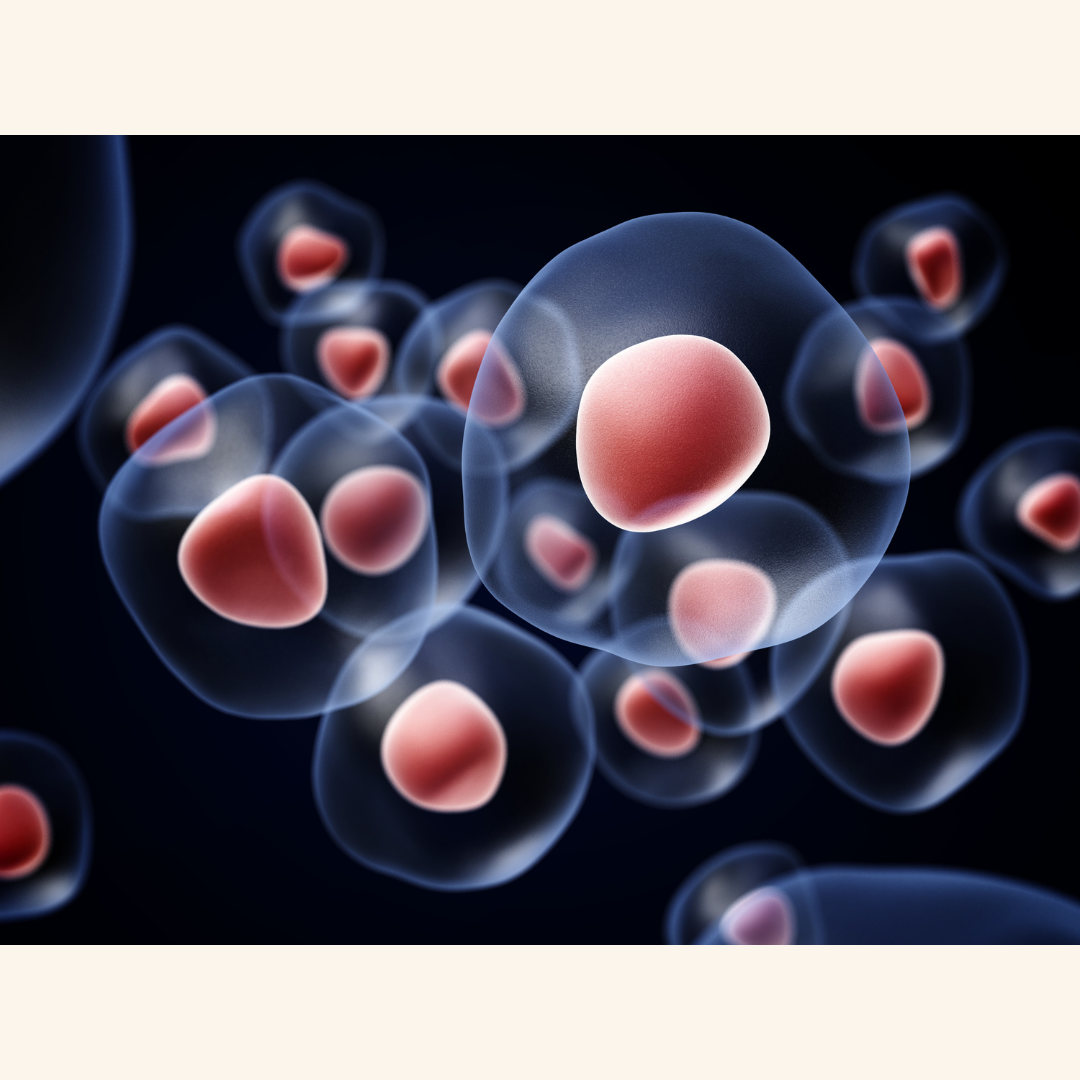
RNDP-001 is an experimental cell therapy designed to replace dopamine-producing neurons lost in Parkinson’s disease. The therapy utilizes dopaminergic neuron progenitor cells derived from induced pluripotent stem cells (iPSCs). These stem cells originate from a patient’s skin or blood cells, which are reprogrammed into an embryonic-like state, allowing them to develop into dopamine-producing neurons.
The progenitor cells are produced in advance, stored at low temperatures, and transplanted directly into the patient’s brain. Once delivered, these cells are expected to differentiate into functional dopaminergic neurons, increase dopamine signaling, and potentially slow or halt disease progression. RNDP-001 is being developed for both inherited and idiopathic (unknown cause) forms of moderate to severe Parkinson’s disease.
Preclinical Success and Research Support
Preclinical studies indicate that the transplanted progenitor cells survive and integrate into multiple brain regions, including the striatum—a key area involved in motor control where dopamine signaling is typically impaired in Parkinson’s.
In a rat model of Parkinson’s, a high quantity of transplanted dopaminergic neuron progenitor cells led to increased neural connections, improved motor function, and enhanced survival rates. These promising results support further clinical development.
The advancement of RNDP-001 is being carried out in collaboration with the California Institute for Regenerative Medicine, which awarded Kenai Therapeutics a $4 million grant for its development. Additional funding is provided by the Michael J. Fox Foundation for Parkinson’s Research.
Lilly Gateway Labs: A Hub for Innovation
Lilly Gateway Labs is designed to support emerging biotechnology companies by providing laboratory space, office facilities, conference rooms, and access to scientific expertise and capital funding. By becoming part of this collaborative ecosystem, Kenai Therapeutics is positioned to advance its research and accelerate the clinical translation of its pioneering Parkinson’s therapy.
With this expansion, Kenai aims to drive innovation in cell therapy and bring new hope to patients with Parkinson’s disease through regenerative medicine.
Comments (0)
Loading comments...