


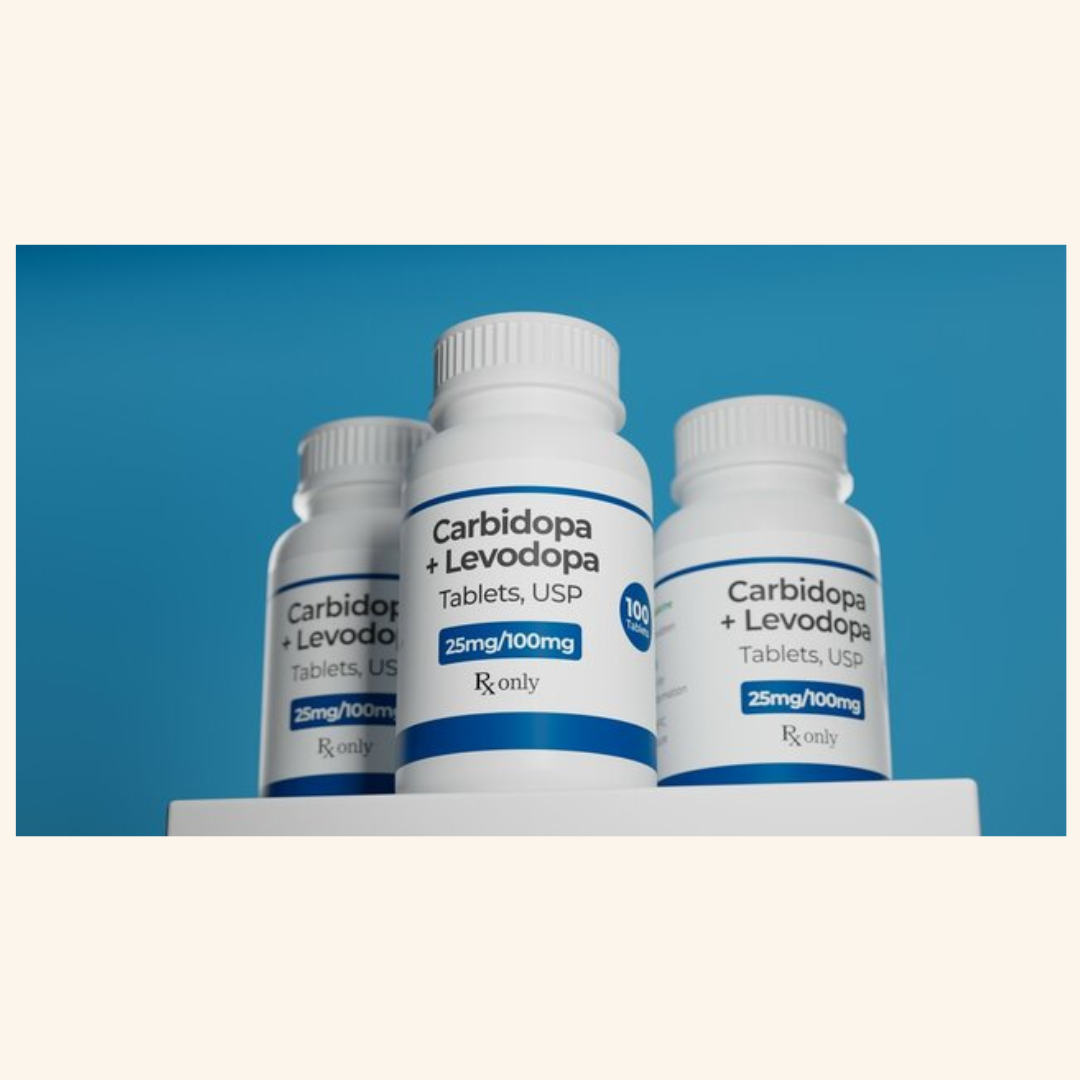
Levodopa Myths Busted: Why Waiting Might Not Be Worth It
June 3, 2025
For years, a shadow of doubt hung over levodopa – the most widely used medication for Parkinson’s. Despite being the gold standard for treating symptoms like tremor, stiffness and slowness, many neurologists hesitated to prescribe it early, especially to younger patients. Why? They feared it might lose effectiveness or cause harm over time. But was that fear ever really backed by science?
Turns out, not really.
What’s the worry?
This idea – sometimes called “levodopa phobia” – led doctors to hold off, opting instead for other treatments first, or encouraging people to wait. The thinking was: save the ‘big guns’ for later, when things get worse.
But people living with Parkinson’s weren’t always convinced. They asked: If it helps me now, why wait?
Thanks to two big research studies – ELLDOPA and LEAP – we finally have answers.
The First Hint: ELLDOPA (2004)
In 2004, the ELLDOPA study gave the world a surprise. Not only did levodopa help with Parkinson’s symptoms, but it might even slow the disease down. That raised hopes… and eyebrows. But it wasn’t conclusive enough to rewrite the rulebook.
Enter: the Dutch.
LEAP into the science
In 2011, researchers at Amsterdam UMC kicked off the LEAP study (Levodopa in Early Parkinson’s). They wanted to settle the debate once and for all: does taking levodopa early make a difference in the long run?
They recruited 445 people newly diagnosed with Parkinson’s from 57 hospitals across the Netherlands. Half started taking levodopa straight away (three times a day, paired with a helper drug called carbidopa), and the other half got a placebo for 40 weeks before starting levodopa themselves.
In short, one group got an early start, and the other got a 40-week delay.
What did they find?
At first, no surprise – the people who started levodopa earlier felt better during those first 40 weeks. Their symptoms were more under control, and they generally felt better day to day.
But here’s the twist: after 80 weeks, when everyone had been on levodopa for at least 40 weeks, there was no difference in overall disease severity between the two groups.
Even when the researchers checked back in three and five years later – still no difference in symptom severity, disease progression or long-term complications.
What does it mean?
Here’s the good news:
Levodopa does improve symptoms.
It doesn’t appear to speed up or slow down the actual disease progression.
And most importantly, there’s no harm in starting early – it won’t ‘use up’ your options or trigger nasty side effects down the line.
In fact, starting levodopa early may even help with quality of life – people simply felt better, sooner.
Time to bust the fear
For years, people newly diagnosed with Parkinson’s were told to hold off on levodopa. But the science now says otherwise. If your symptoms are affecting your daily life, there’s no need to suffer unnecessarily.
The message is clear: levodopa works – and it’s safe to start early. Always talk to your healthcare provider before taking any medications.
Comments (0)
Loading comments...