


New Clinical Trial Uses Patient Own Stem Cells to Repair Parkinson’s Damage
March 7, 2025
A new clinical trial at Mass General Brigham is testing a groundbreaking approach to treating Parkinson’s disease. Instead of relying on traditional treatments, researchers are using a patient’s own stem cells to replace the dopamine-producing brain cells lost to the disease.
How Does It Work?
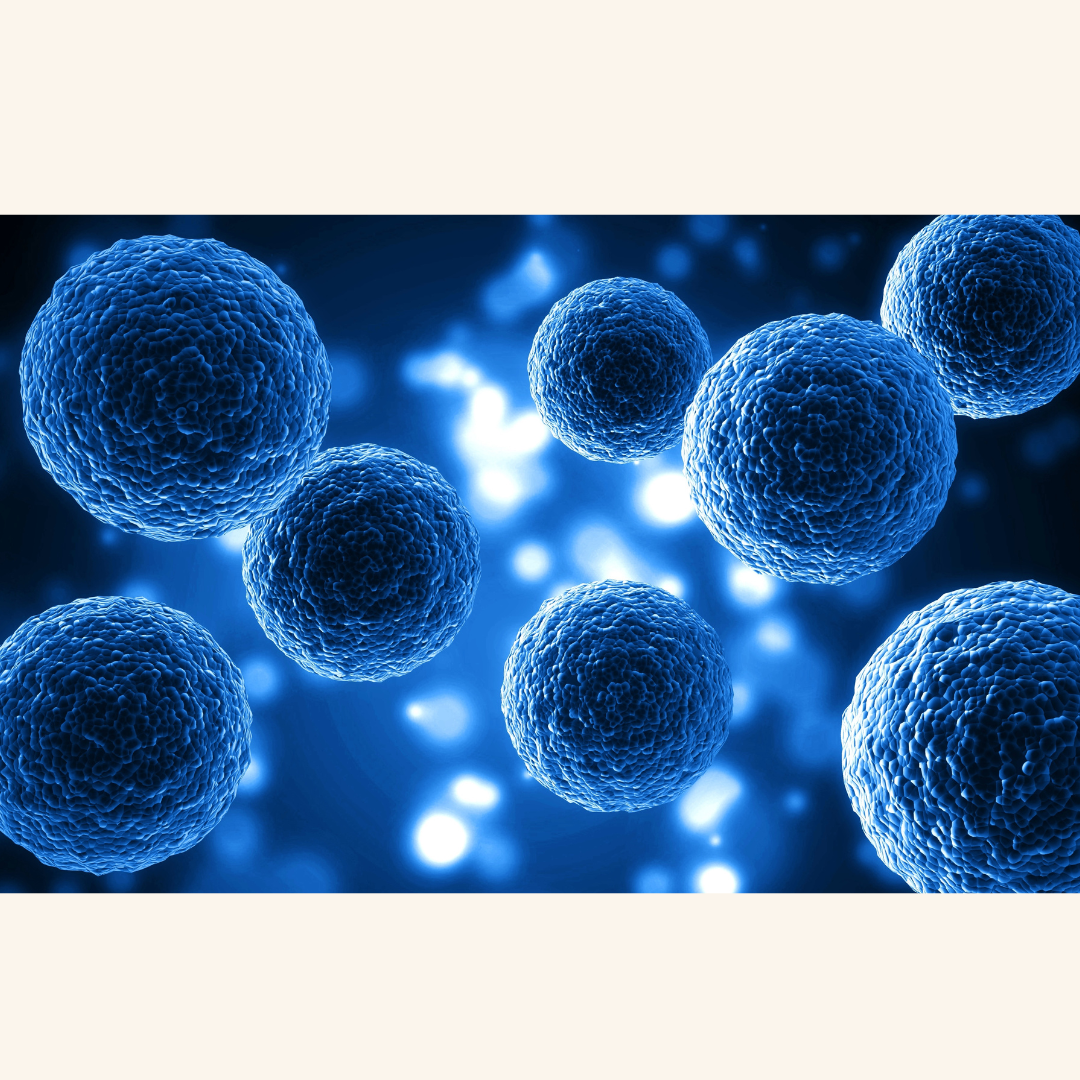
Scientists take a small sample of the patient’s blood and transform those cells into stem cells. These stem cells are then reprogrammed to become the type of brain cells that produce dopamine—an essential chemical that helps control movement. Once ready, the new cells are transplanted into the patient’s brain, with the hope that they will restore lost function and slow down disease progression.
Why Is This Trial Special?
Unlike treatments that only manage symptoms, this approach aims to repair the damage caused by Parkinson’s at a cellular level. Because the therapy uses a patient’s own cells, it reduces the risk of rejection and eliminates the need for immune-suppressing drugs.
Where Did This Idea Come From?
This research is the result of 30 years of work by experts at McLean Hospital’s Neuroregeneration Research Institute. Dr. Ole Isacson and his team have pioneered the idea of using stem cells to treat Parkinson’s, leading to the launch of this first-of-its-kind clinical trial.
Who Is Participating in the Trial?
So far, three of the planned six participants have received the treatment. Researchers will monitor their progress for over a year to assess safety and effectiveness. If successful, the trial will expand to include more patients in a Phase 2 study.
What’s Next?
The trial is still in its early stages, but researchers are hopeful that this approach could revolutionise Parkinson’s treatment. If proven safe and effective, it could pave the way for more stem cell-based therapies to help those living with Parkinson’s and other neurodegenerative diseases.
This research is funded by the National Institute of Neurological Disorders and Stroke (NINDS) and is a collaboration between experts in neurology and neurosurgery at Brigham and Women’s Hospital and Harvard Medical School.
A Step Towards the Future
While it’s too soon to say if this will be a game-changer, the idea of restoring lost brain function is incredibly promising. For now, scientists continue their work, bringing us closer to potential new treatments for Parkinson’s disease.
Comments (0)
Loading comments...