


Why People with Parkinson’s Are More Likely to Break a Bone — and What Can Be Done About It
October 26, 2025
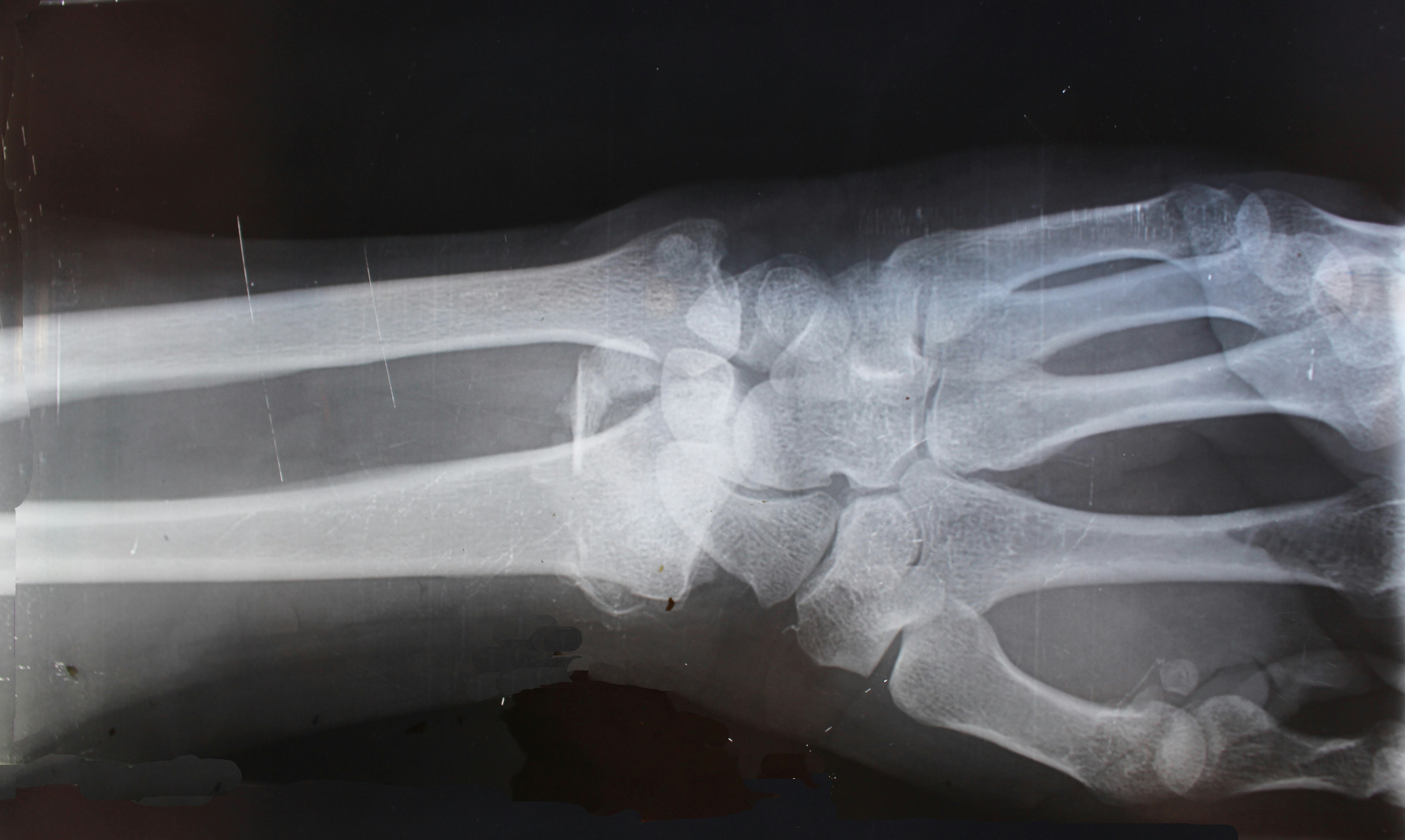
People with Parkinson’s are sadly more likely to break a bone than those without the condition. It’s not just bad luck. Parkinson’s affects balance, movement and muscle strength, which means falls are more common. Add to that the fact that many people with Parkinson’s have weaker bones, and you’ve got the perfect storm for fractures. Hips and arms are usually the first to go — and recovery can take longer and knock confidence hard.
A recent review looked at what’s really behind this problem and what can be done to prevent it. The first thing it found is that fractures shouldn’t be seen as random accidents. They’re often a predictable result of how Parkinson’s affects the body. That means prevention isn’t just a good idea — it’s essential.
The two big issues are movement and bone health. Parkinson’s slows people down, stiffens their muscles and throws off their balance, which makes falls more likely. At the same time, bones can lose density as people become less active or eat less well. Some medications don’t help either. Together, these factors make bones more fragile and more likely to break when someone falls.
The good news is that prevention works. Programmes that combine balance training, strength exercises, and simple home safety tweaks can make a big difference. Yet, surprisingly few people with Parkinson’s are ever offered bone scans or prevention plans early on. The review argues that bone health should be built into Parkinson’s care from the start, not left until after the first fracture.
Technology is helping too. Home-based physiotherapy and online rehabilitation programmes are proving just as effective as in-person therapy, especially for those who find travel difficult. Pairing this kind of movement work with bone-strengthening treatments, like calcium or vitamin D supplements, could be the key to keeping bones solid for longer.
Surgery after a fracture tends to be tougher for people with Parkinson’s. Recovery takes longer, and it’s harder to regain mobility. That’s why prevention isn’t just about avoiding pain — it’s about protecting independence and quality of life.
It’s worth having an honest chat with your doctor about bone health. Ask about scans, exercise options and nutrition. Small, early changes can mean fewer falls, stronger bones and a lot less time spent in hospital.
Comments (0)
Loading comments...