


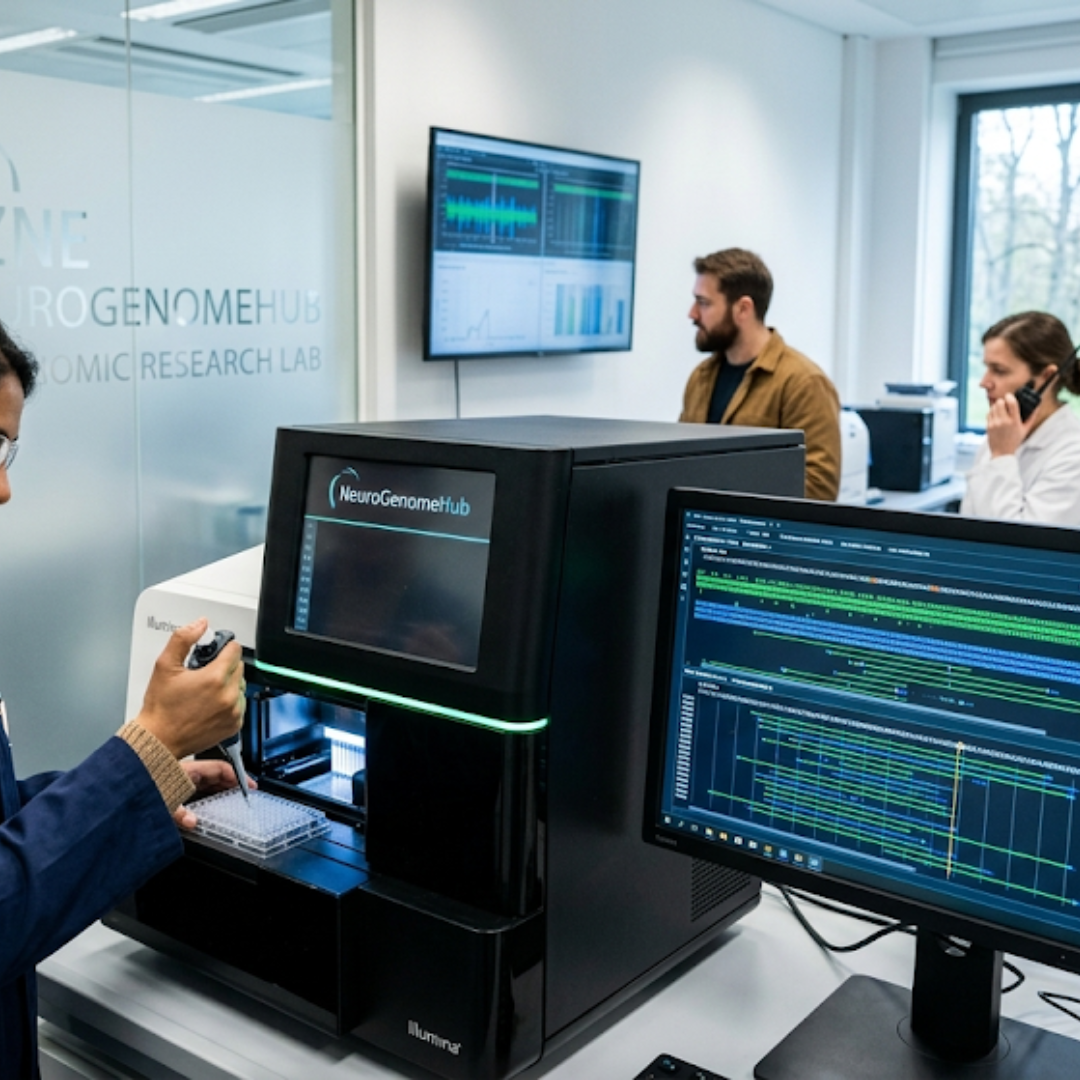
The German Center for Neurodegenerative Diseases is launching a digital library to transform how scientists study genetic influences on brain health
June 20, 2026
An investment of approximately six million euros will fund the creation of this one of a kind genome database. Over the next two years, the project plans to capture the full genetic information of around 25,000 people. This massive data pool will be built using blood and other biological specimens already collected from ongoing clinical trials and the Rhineland Study, which is a large scale population study based in Bonn.
The project is utilising cutting edge long read sequencing technologies to map billions of genetic building blocks. This specific method allows scientists to reliably capture abnormal repetitions in the gene sequence, which are known to be particularly significant in brain health. Furthermore, the database will track DNA methylation, which are chemical tags along the molecule that determine which specific genes are switched on or off. By gathering this data on a globally unprecedented scale, the project aims to identify the exact genomic features that influence both the risk of developing conditions and how they progress.
For people with Parkinson's, this initiative marks a major shift towards highly personalised medicine. Because Parkinson's progresses differently in every individual, having a library of 25,000 genomes allows researchers to look at the subtle genetic variations that cause someone's symptoms to develop quickly or slowly. Understanding these specific genetic markers means that future diagnostics can become much more precise, identifying the condition far earlier than is currently possible.
Furthermore, this knowledge opens the door to smarter prevention strategies and tailored therapies. Instead of a one size fits all treatment, researchers can use the database to design targeted therapies that match a person's exact genetic profile. By pinpointing the specific active genes and structural repetitions associated with the condition, scientists worldwide will have the precise blueprints needed to develop next generation treatments that aim to slow or stop progression.
Comments (0)
Loading comments...