


Could a Cancer Drug Slow Down Parkinson’s? Scientists Think So.
June 19, 2025
A new discovery could change how we think about Parkinson’s—and here’s the exciting bit: the potential treatment is already FDA-approved… just not for Parkinson’s (yet).
🧩 What’s the Big Idea?
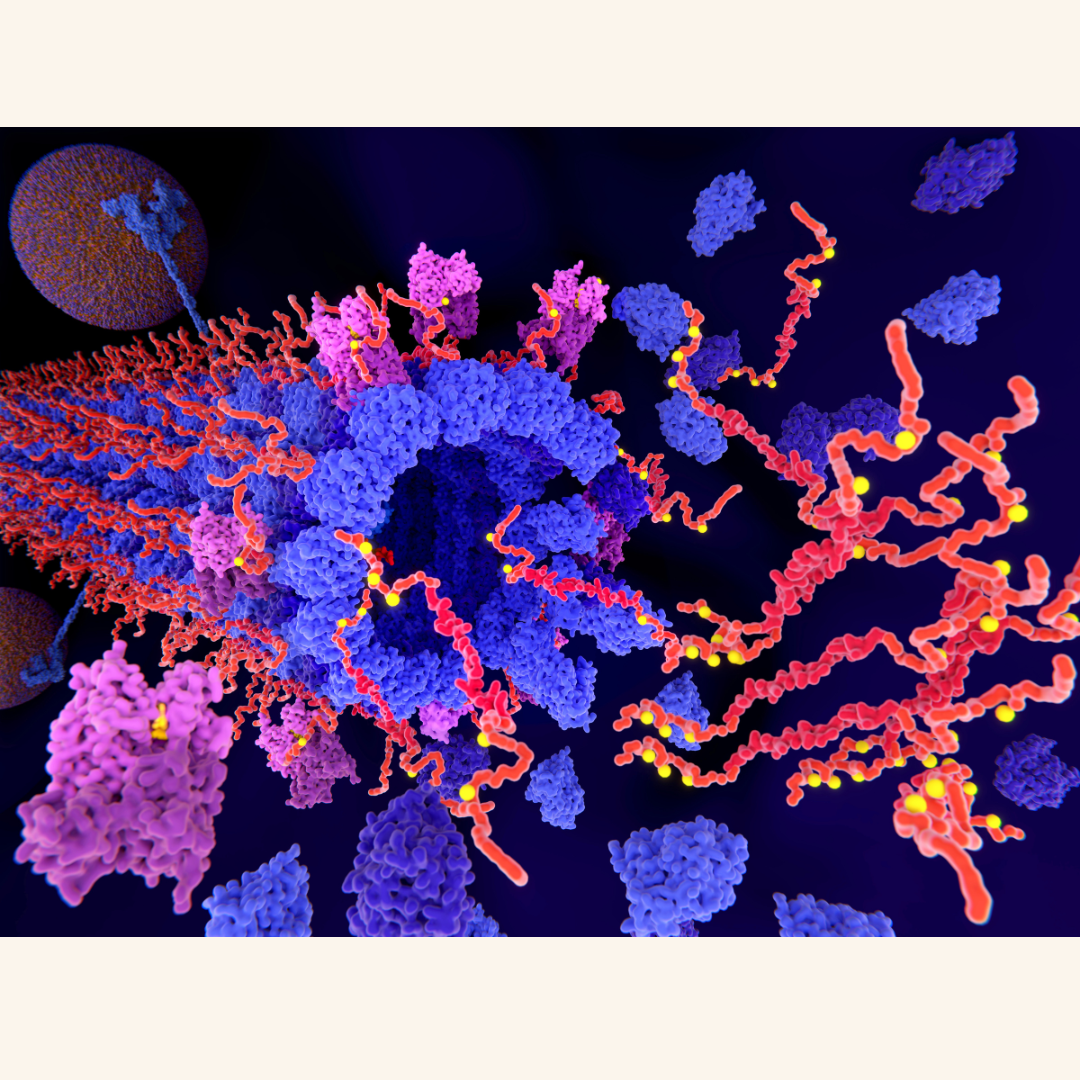
Researchers at Johns Hopkins have found that two proteins on brain cells—called Aplp1 and Lag3—may be responsible for helping toxic protein clumps spread in the brains of people with Parkinson’s. And yes, these clumps are the infamous alpha-synuclein—the sticky misfolded proteins thought to play a key role in Parkinson’s disease.
These proteins essentially act like a door, allowing these troublemaking clumps to enter and move from neuron to neuron. Not ideal.
💥 The Breakthrough
Here’s where things get interesting: there’s already an FDA-approved drug—used to treat melanoma (a type of skin cancer)—that blocks Lag3. When scientists gave this drug to mice, it stopped the toxic clumps from spreading in the brain. And not just by a little—it worked better than deleting Lag3 entirely, because it also disrupted its partner-in-crime, Aplp1.
In short: shut the door, stop the spread.
🧪 How Do We Know?
Scientists tested this by using genetically modified mice that were missing one or both of the proteins. When mice were missing just one protein, some clumps still got through. But when both Aplp1 and Lag3 were missing? Over 90% less of the harmful protein entered brain cells.
Then they gave the mice a cancer drug (nivolumab/relatlimab) that contains an anti-Lag3 antibody—and saw similar results: dramatic reduction in the spread of alpha-synuclein.
That’s a big deal, because alpha-synuclein is believed to be behind the damage to dopamine-producing cells in Parkinson’s.
🧠 Why This Matters for Parkinson’s
Parkinson’s is progressive and currently incurable. Most symptoms—like tremor, slowness, stiffness, and fatigue—come from the loss of dopamine-producing neurons in the brain. And researchers think these sticky protein clumps are part of the reason those neurons die off.
So, if we can stop those clumps from spreading, we might slow the disease down—or one day stop it altogether.
And the kicker? The drug that might help is already approved, which means we’re not starting from scratch.
🚀 What’s Next?
This isn’t in humans yet—so don’t run to the pharmacy. The next step is to test the drug in actual Parkinson’s disease mouse models and eventually move toward clinical trials in humans.
Scientists are also exploring whether this approach could work in other neurodegenerative diseases like Alzheimer’s, where similar toxic proteins are involved.
Comments (0)
Loading comments...