


Retinal Imaging Shows How Yoga Helps People with Parkinson’s
July 15, 2025
A unique form of yoga—mixed with a bit of interval training and brain challenges—is showing promising results for people with Parkinson’s disease. According to researchers at the University of Miami, not only does this specially designed routine improve physical and mental symptoms, but scientists can actually track the changes in the brain by simply scanning the eyes.
Yes, you read that right—your eyes might reveal what’s happening inside your brain.
What’s YogaCue?
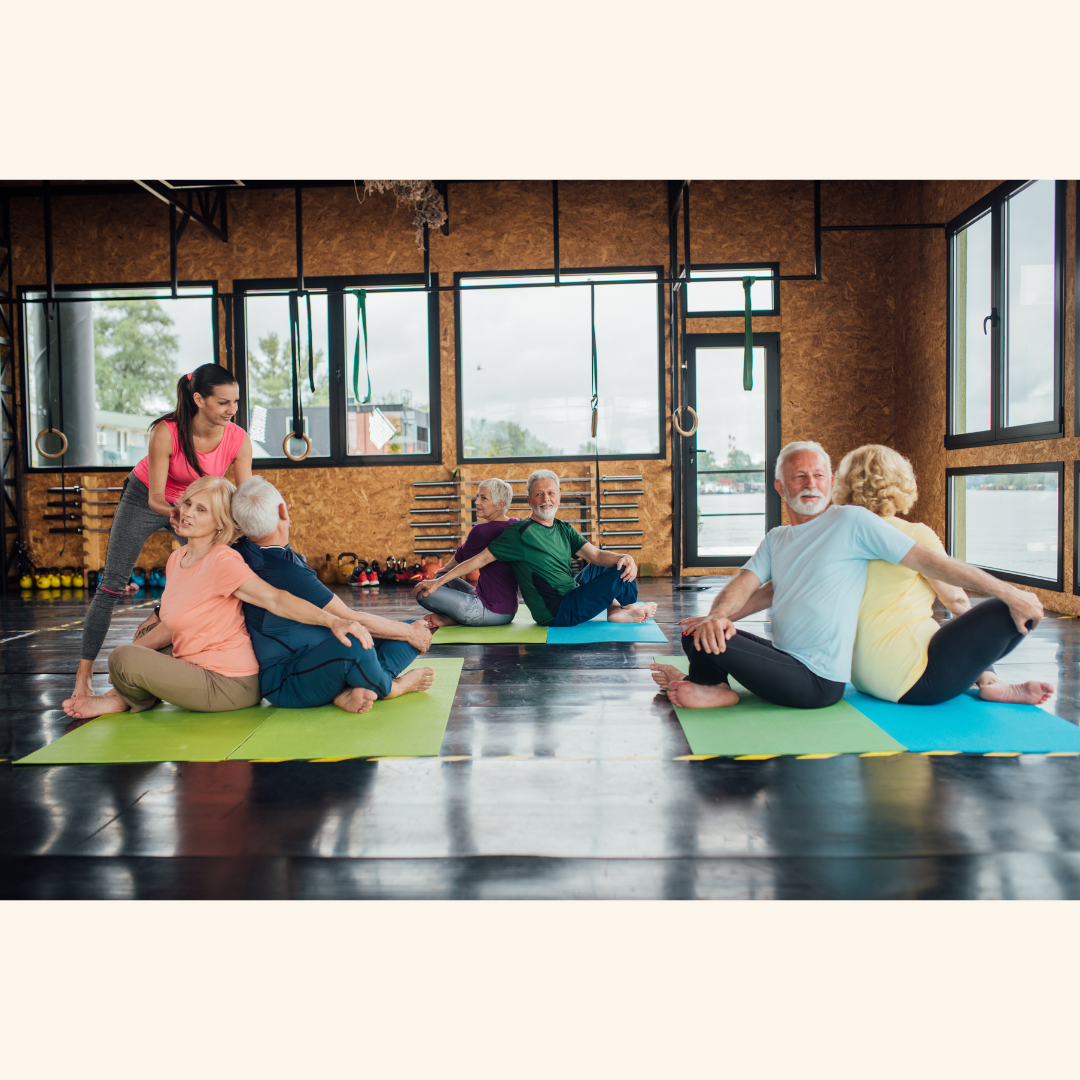
The programme is called YogaCue, and it was developed by Professor Joseph Signorile, a specialist in exercise physiology and neuromuscular research. Seven years ago, Dr Signorile and his team began crafting a yoga routine that’s not your typical relaxing stretch session. YogaCue is a dynamic workout that combines standard yoga poses with high-intensity intervals and cognitive challenges—like memory and coordination tasks.
“We knew that both intense exercise and mental challenges help with cognition,” said Dr Signorile. “So we merged the two.”
And it worked. People with Parkinson’s who participated in the YogaCue programme showed noticeable improvements—not just in movement and balance, but also in cognitive symptoms such as attention and memory.
The Brain-Eye Connection
Dr Signorile didn’t stop at observing improvement—he wanted to see what was changing in the brain. Enter Dr Jianhua Wang, an ophthalmologist and professor at the prestigious Bascom Palmer Eye Institute.
Together, they explored a fascinating idea: using the eye as a window into the brain.
That’s because the retina—the thin layer at the back of the eye—is actually part of the brain itself. It's made of neural tissue and shares many features with the brain, including how blood flows through it. So, instead of using expensive brain scans, researchers began using advanced eye imaging to measure subtle changes in retinal blood vessels and capillary density after people did YogaCue.
In two small studies, they discovered a remarkable connection: as blood flow and capillary networks in the retina improved, so did participants' cognitive performance—and their Parkinson’s symptoms appeared less severe.
What’s Going On Inside the Brain?
The intensity of YogaCue plays a big role. It pushes the body and brain just enough to trigger angiogenesis (the growth of new blood vessels) and synaptogenesis (the formation of new connections between brain cells). This is crucial for people with Parkinson’s, where connections between brain cells gradually weaken and die.
In other words, by challenging both body and mind, YogaCue may help stimulate the brain to stay healthier and more connected.
Accessible, Affordable and Hopeful
One of the most exciting parts? This intervention doesn’t require expensive equipment, gym memberships or special facilities. It’s just yoga—with a clever twist.
“Yoga is already popular,” said Dr Signorile. “We’re just modifying it to make it even more powerful for cognitive and physical performance.”
Meanwhile, Dr Wang is working to make retinal scans more accessible to everyday doctors, so they can monitor brain changes using tools already available in many eye clinics.
What’s Next?
The early results are very promising, but both researchers are quick to point out that bigger studies are needed to confirm the findings. They're planning a large-scale trial to better understand exactly how and why this programme works—and to prove it can work for more people.
So far, feedback from people with Parkinson’s and healthcare professionals has been overwhelmingly positive. And for a condition like Parkinson’s—where there is no cure and treatments often focus only on managing symptoms—programmes like YogaCue offer something else: a sense of empowerment.
It’s a reminder that the body and brain are deeply connected, and that with the right combination of movement and mindfulness, we can give the brain a real workout—and maybe, just maybe, slow the effects of Parkinson’s disease.
Comments (0)
Loading comments...