


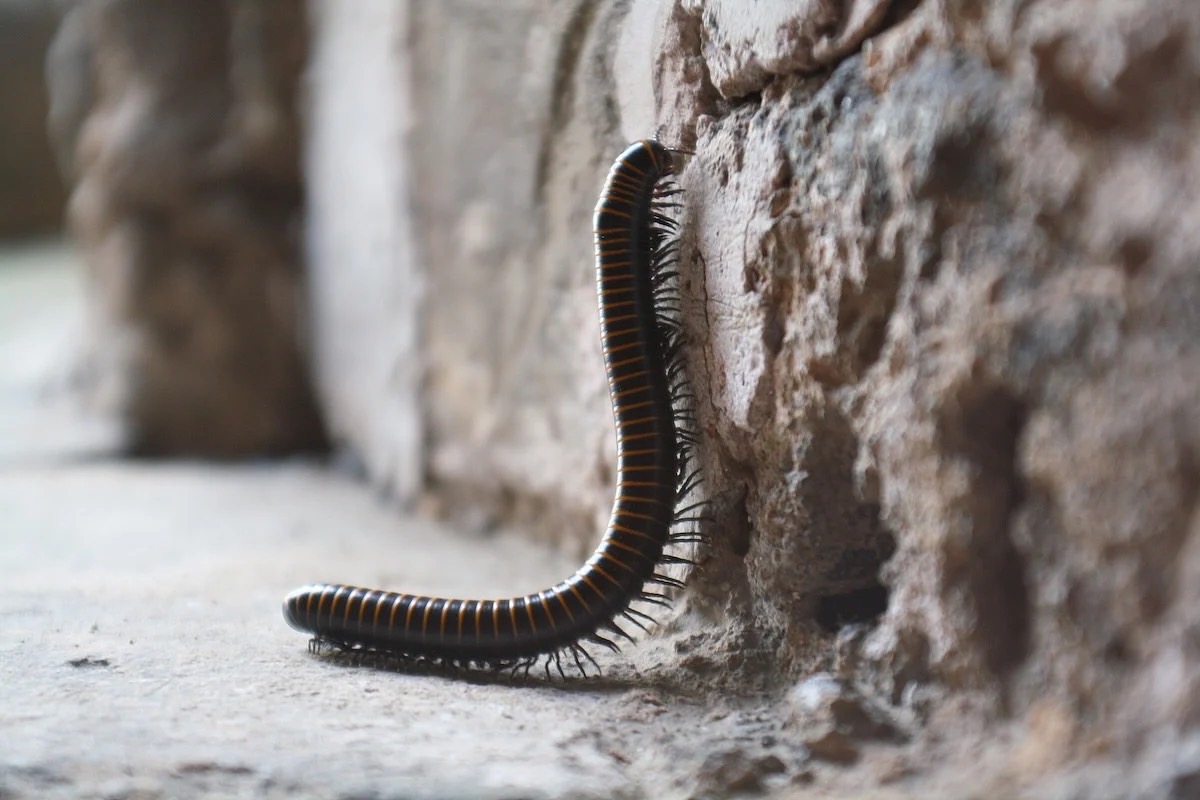
From Forest Floor to Lab Bench: Millipede Molecules Might One Day Help Parkinson’s and Chronic Pain
August 3, 2025
We’ve explored many unusual paths in Parkinson’s and pain research before, but this latest finding—from an unlikely creature—deserves a solid revisit. Virginia Tech researchers recently identified powerful new molecules in the secretions of Andrognathus corticarius, a native millipede species. The discovery adds a fascinating twist to the search for neurological treatments.
These millipedes use the secretions as a defensive tactic—releasing them when disturbed. Inside these secretions are previously unknown alkaloids, which the scientists named “andrognathanols” and “andrognathines”. In controlled tests, these compounds disoriented ants—suggesting they interact with specific neuroreceptors in insect nervous systems. What’s truly exciting is that some of these molecules also interact with the Sigma‑1 receptor in mammals—a receptor linked to pain regulation and brain cell function. That same receptor has been implicated in conditions such as Parkinson’s disease and other neurological disorders.
Research published in the Journal of the American Chemical Society highlights that these complex molecules may modulate the Sigma‑1 receptor—and that makes them a natural starting point for new drug development. Unlike synthetic drugs, these compounds are products of evolutionary chemistry—precisely shaped by nature to affect neural signalling.
The most immediate promise lies in pain relief: Sigma‑1 agonists are already considered potential treatments for chronic pain, and these natural alkaloids may offer fresh structural templates. But Parkinson’s may follow. If these molecules can support nerve cell survival or modulate neuroinflammation via Sigma‑1 interactions, they could become building blocks for therapies that go beyond symptomatic relief.
However, significant hurdles remain. These alkaloids are structurally intricate, making lab synthesis challenging. As lead chemist Emily Mevers noted, reproducing them in sufficient quantities for study will take time. The team now aims to scale production and fully explore their chemistry, pharmacology, and safety.
Still, this research turns our usual assumptions upside down. A woodland creature—often overlooked and dismissed as just a “creepy crawler”—may carry the key to entirely new classes of neuroactive or pain-modulating therapies. The process is early and exploratory, but the implications are vast: a reminder that nature still holds untapped corners of medical possibility.
So while we’ve covered many unconventional paths, millipedes now join frogs, snails, and cone snails in the gallery of nature-inspired discoveries. And given the Sigma‑1 connection, this work may resonate deeply not only for pain management but, in time, for understanding and perhaps even treating neurodegenerative conditions like Parkinson’s.
Comments (0)
Loading comments...