


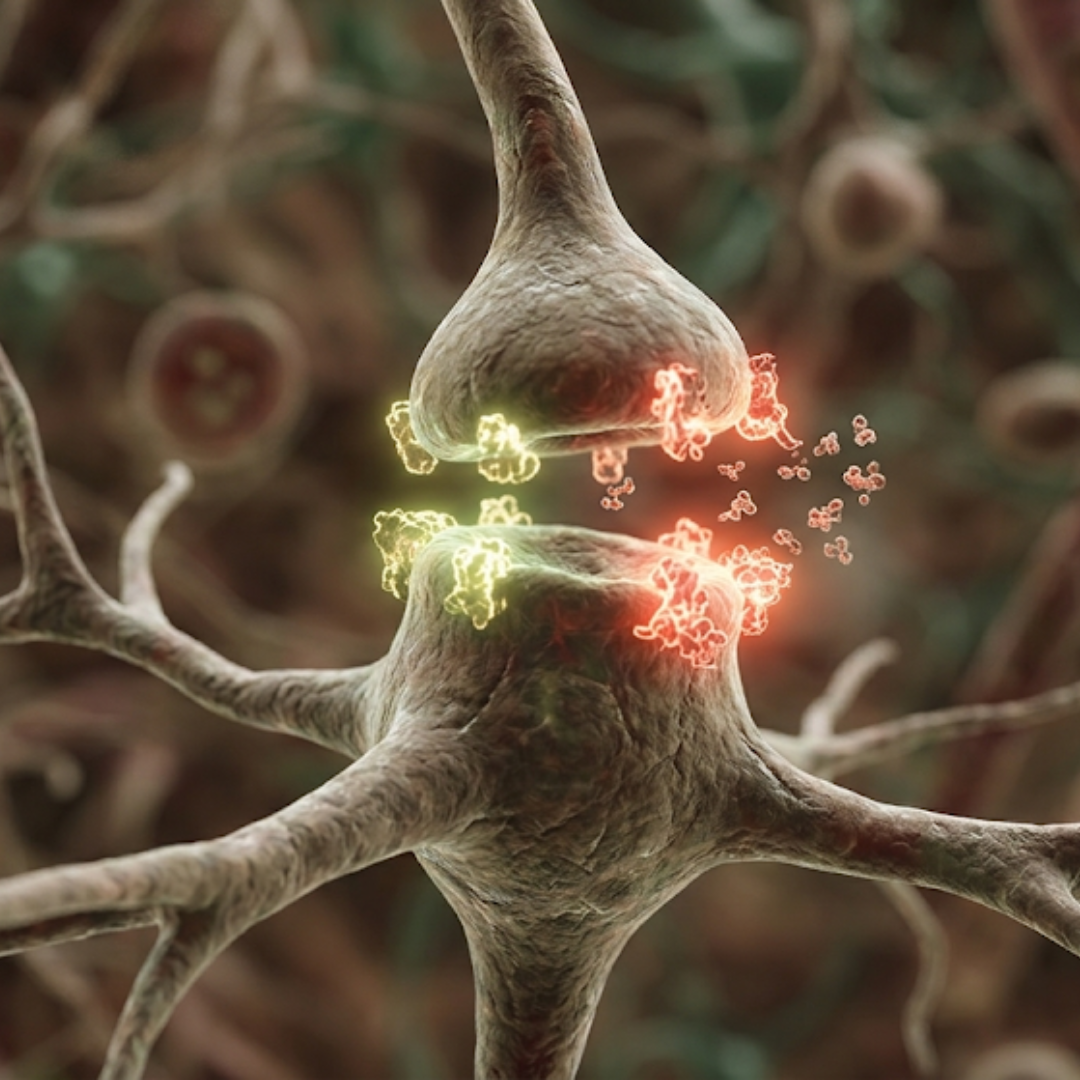
A balanced cellular seesaw tells us more about the progression of Parkinson's
June 15, 2026
When looking at the roots of Parkinson's, researchers often focus on changes in our genes. One specific gene, called GBA, normally helps our brain cells clean out everyday waste. When this gene has a fault, it causes a rare metabolic condition called Gaucher disease, which also happens to be one of the strongest known genetic risk factors for developing parkinsonism. A study published in the Journal of Cellular and Molecular Medicine looked closely at how this genetic fault alters the brain, discovering a slow breakdown in how cells protect themselves from stress.
The researchers focused on two main components inside our cells that act like a seesaw. The first is Nrf2, which is the body's natural cellular defender. It acts like an automated cleanup crew, turning on protective shields to neutralise toxic waste. The second component is NOX2, an enzyme that creates reactive stress molecules. In a healthy brain, these two stay perfectly balanced. However, the study found that faults in the GBA gene cause this seesaw to tilt dangerously over time, allowing the stressful molecules to overwhelm the helpful cleanup crew.
By tracking this process over a ninety day period, the study showed exactly how the damage builds up. For the first couple of weeks, everything appeared completely normal, and there were no changes in physical movement or signs of cell loss. The real trouble only appeared much later, showing that the damage happens in a very specific, time dependent way. By the end of the study, the protective Nrf2 system had drastically faded, while the harmful NOX2 enzyme became hyperactive, leading to measurable biochemical signs of cellular stress in the brain.
For people who already live with Parkinson's, this discovery is highly relevant because it shifts the focus toward preventing cell damage before it can even start. It shows that cellular stress is not a sudden accident but a slow, gradual buildup that eventually wears out the cells that produce dopamine. Because the drop in our natural defences happens well before the cells actually fail, it provides a perfect window of time for future treatments to step in.
Knowing exactly when and how this cellular seesaw breaks down gives scientists a clear target for new therapies. If future treatments can boost the protective Nrf2 defender or calm down the hyperactive NOX2 enzyme, it might be possible to stop the chain reaction that damages brain cells. For the Parkinson's community, this research brings us closer to therapies designed to protect the brain and preserve existing function, rather than just managing the day to day symptoms.
Comments (0)
Loading comments...