


Building a Better Model for Parkinson’s: How Mini-Brains Could Change the Game
March 4, 2025
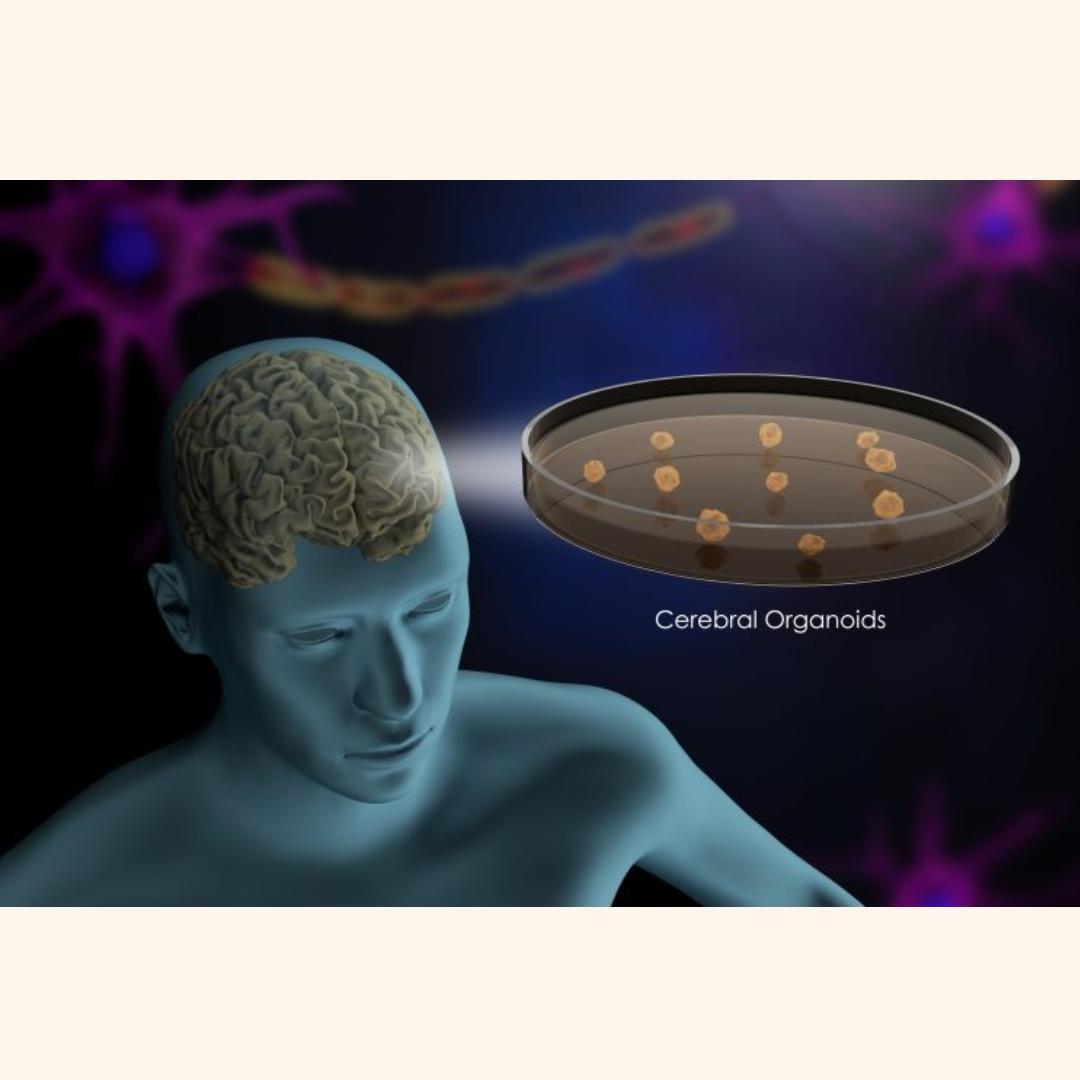
Imagine if we could grow tiny versions of human brains in a lab to test new treatments for diseases like Parkinson’s. Sounds like science fiction, right? Well, Professor Jens Christian Schwamborn and his team at the University of Luxembourg are doing just that! These mini-brains—called brain organoids—could revolutionise the way we study and treat neurodegenerative diseases.
Why Do We Need Brain Organoids?
Parkinson’s disease affects millions of people worldwide, but finding effective treatments has been tough. The human brain is incredibly complex, and researchers have struggled to replicate its environment in a lab. Without accurate models, testing new drugs is like shooting in the dark. This is where Schwamborn’s work comes in—he’s growing patient-specific mini-brains that mimic the real thing, making drug discovery faster and more precise.
What Are Brain Organoids?
Think of brain organoids as tiny, simplified versions of the human brain, grown from stem cells—special cells that can turn into any type of cell in the body. Schwamborn’s team takes skin or blood samples from a patient, converts them into stem cells, and then guides them to develop into small 3D clusters of brain cells. These organoids can mimic certain brain functions, allowing researchers to study diseases and test drugs without experimenting directly on patients.
How Are They Helping Parkinson’s Research?
Traditional methods of studying Parkinson’s rely on animal models or flat cell cultures, which don’t fully capture the complexity of the disease. Schwamborn’s organoids offer a personalised approach. Since they come from the patient’s own cells, they provide a unique insight into how Parkinson’s develops and how different treatments might work for different people. This means doctors could eventually test multiple drugs on a patient’s organoid before prescribing the most effective one—saving time, money, and unnecessary side effects.
The Process: From Cell to Mini-Brain
Creating brain organoids isn’t instant—it takes about a month to grow them into useful models, and some experiments can take up to four months. While this might sound long, it’s actually a game-changer in neurological research. These organoids can be used to:
Study how Parkinson’s progresses at a cellular level
Identify which patients will respond best to certain treatments
Speed up drug discovery by providing a more realistic testing environment
A New Era of Personalised Medicine?
One of the most exciting possibilities is the idea that, in the future, every Parkinson’s patient could have their own brain organoid. Doctors could test multiple drugs on these mini-brains and find the best treatment before giving it to the patient. No more trial-and-error prescribing—just targeted, effective treatment from the start.
This approach is already being used in some cancer treatments, but applying it to neurological diseases is still new. However, Schwamborn and his team are proving that it’s possible, and pharmaceutical companies are starting to take notice.
Challenges and Future Prospects
While the progress is exciting, there’s still work to be done. Convincing the pharmaceutical industry to adopt these models on a large scale takes time. Cost is also a factor, but Schwamborn argues that in the long run, personalised medicine will save money by reducing ineffective treatments and improving patient outcomes.
Looking ahead, Schwamborn is optimistic. “It won’t happen overnight,” he says, “but within my lifetime, I see a future where neurological disorders are treated with personalised models, making medicine more effective and accessible.”
Final Thoughts
Brain organoids might sound like something from a sci-fi movie, but they’re very real—and they could change the way we understand and treat Parkinson’s disease. Schwamborn’s research is paving the way for a future where patients get the right treatment at the right time, without unnecessary delays or side effects. As science moves forward, these tiny mini-brains might just hold the key to solving some of the biggest medical mysteries of our time.
Comments (0)
Loading comments...