


Flavonoids, the Brain, and Parkinson’s: Could Plants Hold Clues to Slowing the Disease?
August 26, 2025
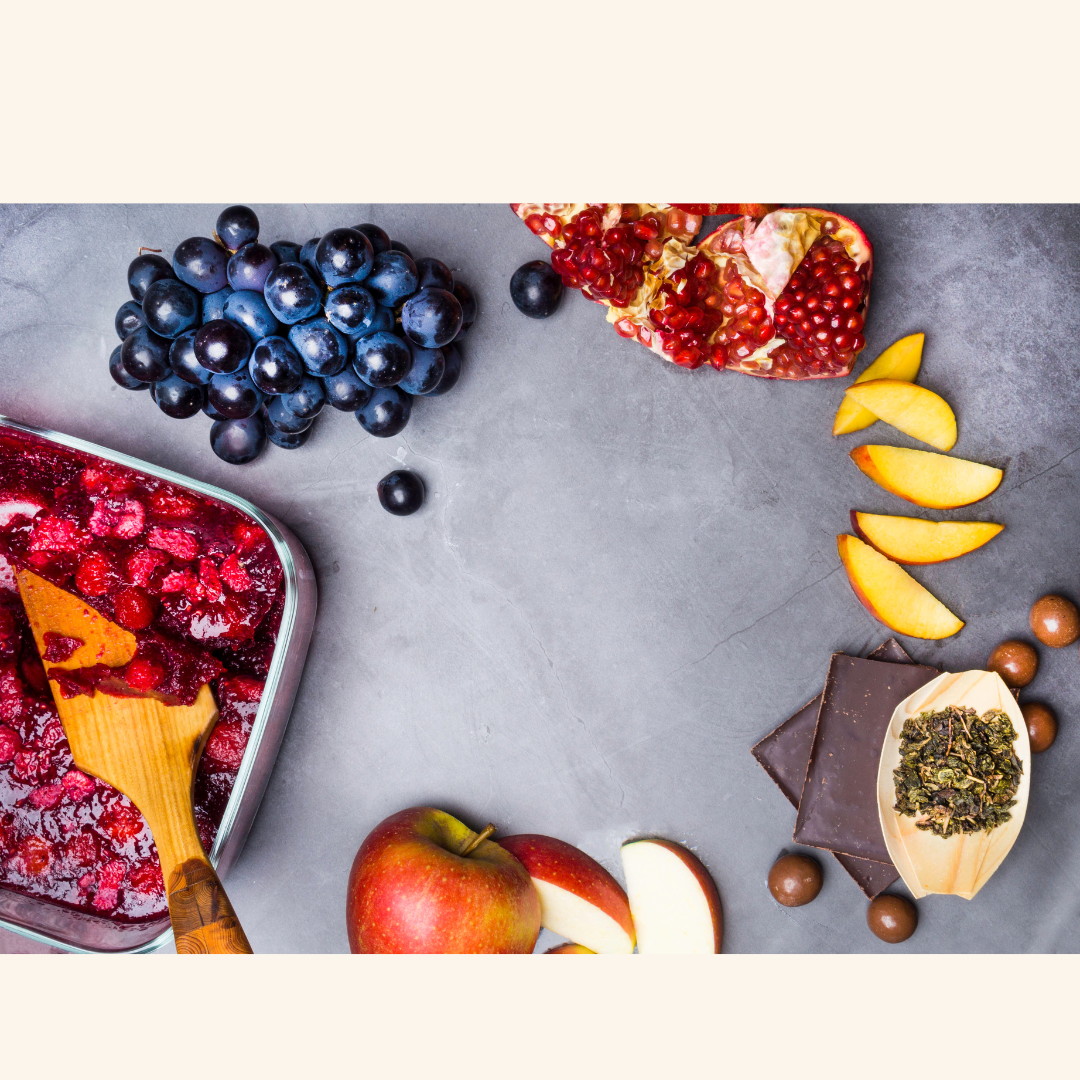
Researchers are digging deeper into how what we eat might influence Parkinson’s, and a new review shines a spotlight on flavonoids — plant-based compounds found in foods like berries, tea, cocoa, citrus, and leafy greens. While flavonoids aren’t new to science, their potential roles in protecting the brain are becoming increasingly intriguing, especially when it comes to Parkinson’s.
Why Flavonoids Are Interesting
Flavonoids are powerful antioxidants and anti-inflammatories, meaning they can help reduce oxidative stress and calm inflammation — two key players in the damage Parkinson’s does to brain cells. But this study highlights that their role might go deeper than just mopping up “free radicals.”
Beyond Antioxidants: Epigenetics and the Gut-Brain Connection
Scientists now think flavonoids might influence epigenetic changes — tiny molecular “switches” that turn genes on or off without altering DNA itself. In Parkinson’s, some of these switches are thought to contribute to abnormal protein buildup, inflammation, and neuron death. Flavonoids could, in theory, help reset these patterns, nudging brain cells back towards healthier function.
The review also highlights another fascinating area: the gut-brain connection. Increasing evidence links gut health and Parkinson’s, with many people showing signs of altered gut bacteria years before diagnosis. Some flavonoids may help rebalance the gut microbiome, encouraging bacteria that support brain health while dampening those linked to inflammation and neurodegeneration.
The Catch: Absorption Challenges
Here’s the problem: flavonoids don’t absorb well in the body. Many break down quickly before they can reach the brain in meaningful amounts. Researchers are exploring new solutions, such as nanoparticle delivery systems and modified flavonoid structures, to boost stability and bioavailability.
What This Means for Parkinson’s
We’re still early in understanding exactly how flavonoids might help slow or modify Parkinson’s progression. There’s no evidence yet that eating a handful of blueberries a day will reverse the disease, but the mechanisms are promising. By targeting oxidative stress, inflammation, gene regulation, and gut health simultaneously, flavonoid-based therapies could one day complement traditional treatments.
Comments (0)
Loading comments...